


What Is Non-Revenue Protein and Where Does It Come From?
During ZwitterCo's September 2026 Evolution webinar, the first audience poll opened with a simple observation: protein prices are at an all-time high. When protein carries that kind of value, the…

Why Higher Membrane Concentration Matters for Spray Drying Energy
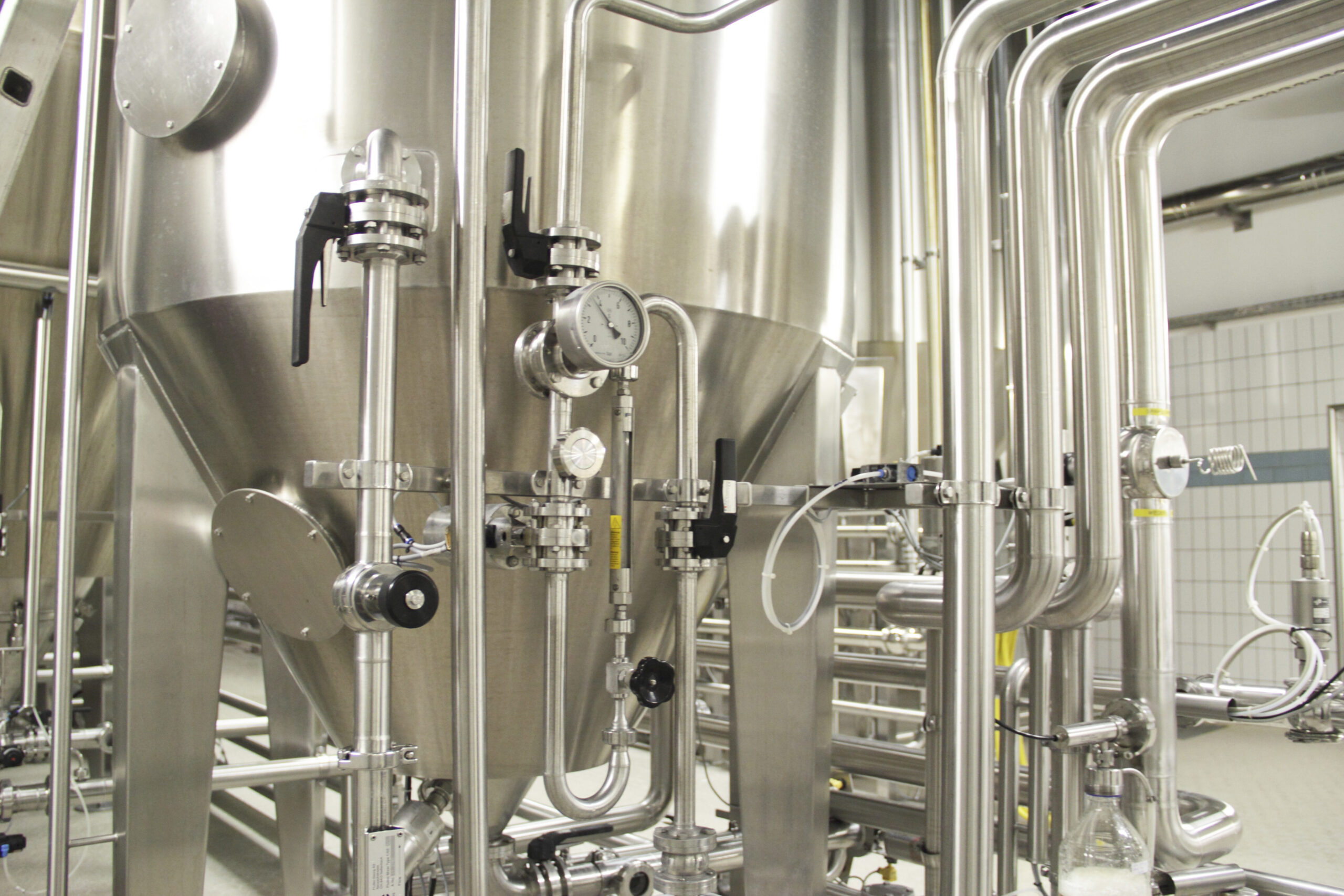
Spray drying is one of the most energy-intensive steps in dairy and food processing. Whether a plant is producing Whey Protein Concentrate (WPC), Whey Protein Isolate (WPI), Milk Protein Concentrate…
NOM-001-SEMARNAT-2021: What Poultry Processors Need to Know
For poultry processors in Mexico, wastewater used to be an operating detail. Treat it to the standard, pay the discharge fees, and renew the permit. That picture is changing on two fronts at once.…
ZwitterCo Unfiltered Recap | Ep 9: Refining Every Fraction – What We Learned at IWC 2026
In this episode of ZwitterCo Unfiltered, Jon Goodman and Scott Brown recap the International Whey Conference (IWC) in Chicago. Scott led the ZwitterCo team at the event while Jon joined from Europe,…

Chile's Tightening Water Rights Are a Risk Salmon Processors Can't Ignore
For decades, salmon processing facilities in southern Chile could count on their freshwater extraction rights the way they counted on any other fixed asset – something granted, held, and rarely…
Why Membranes Are Critical to the High-Protein Food Boom
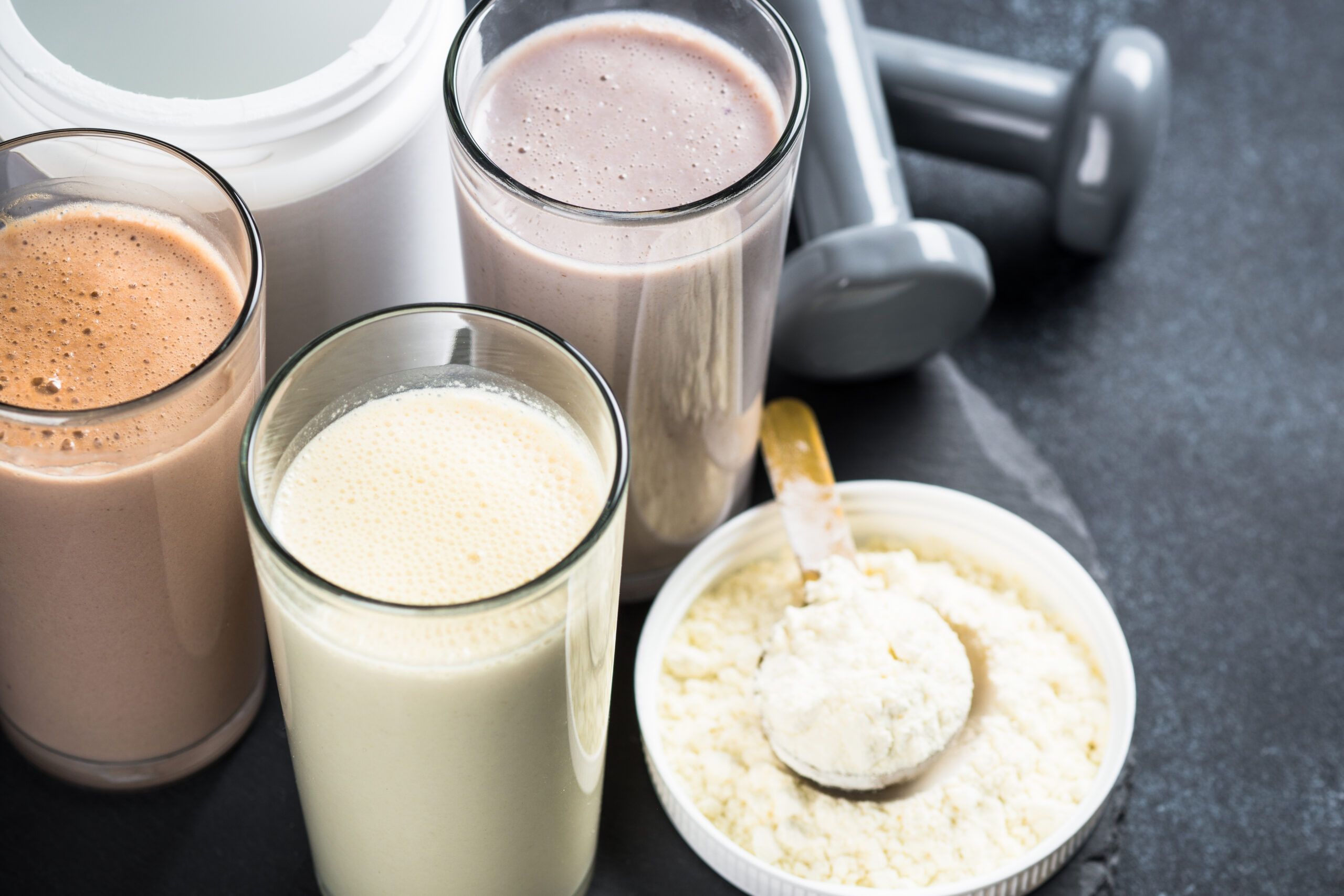
High-protein foods are no longer a niche category. Protein has become one of the main drivers shaping food manufacturing investment across dairy and food processing, beverage production, ingredient…

Brazil's Protein Processors Are Caught Between Two Water Standards – And Conventional Treatment Meets Neither
Brazil's protein processors are being pressed from two directions at once. At home, regulators are enforcing discharge limits with less patience for repeat violations. Abroad, European buyers are…
WPC vs WPI: How They’re Processed
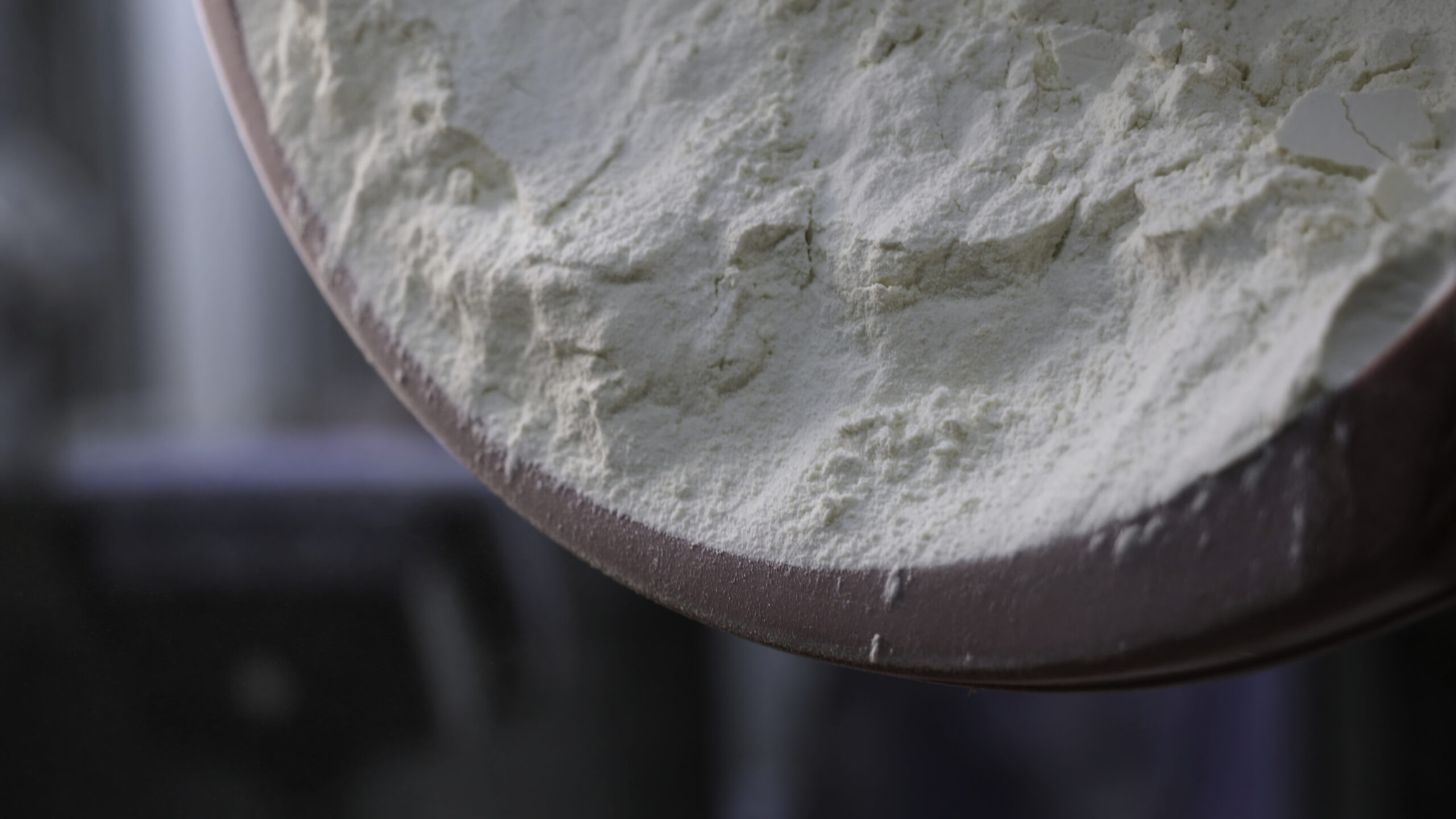
Whey protein concentrate (WPC) and whey protein isolate (WPI) are often compared based on nutrition labels, protein percentages, or consumer applications, but inside a dairy plant, the real…
Water Allocations Are Getting Reviewed and Facilities Without a Reuse Plan Are the Ones Exposed
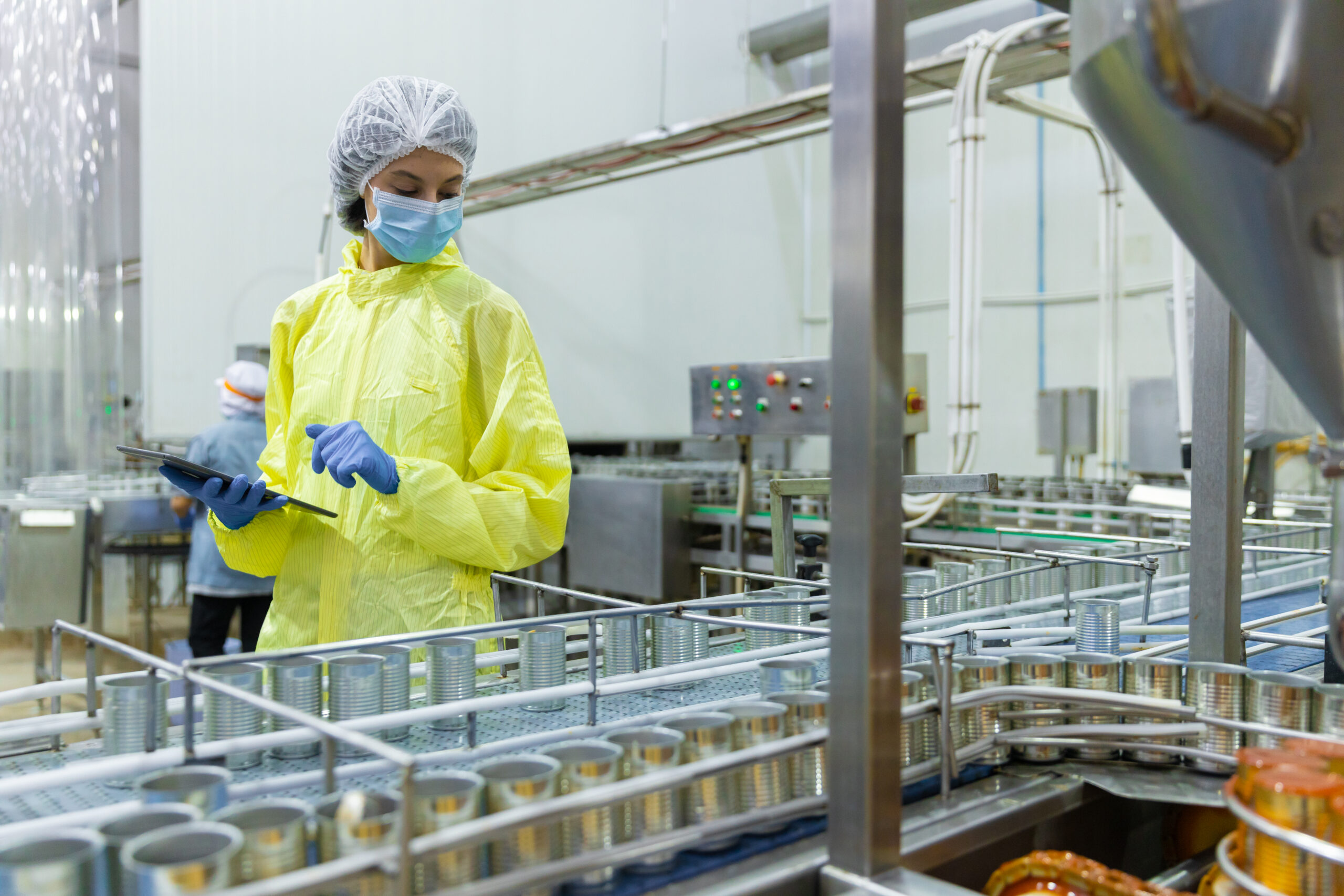
For most industrial facilities, water has always been treated as a fixed input – something permitted, metered, and rarely reconsidered once the paperwork was filed. That assumption is breaking down…
ZwitterCo Unfiltered Recap | Ep 8: Chasing the Protein – What We Learned at IMPA 2026
In this episode of ZwitterCo Unfiltered, Jon Goodman is joined by Scott Brown to recap the 100th annual Inter Mountain Milk Processors Association (IMPA) conference in Sun Valley, Idaho, covering the…
Olive Oil's Wastewater Deadline Is Already Here
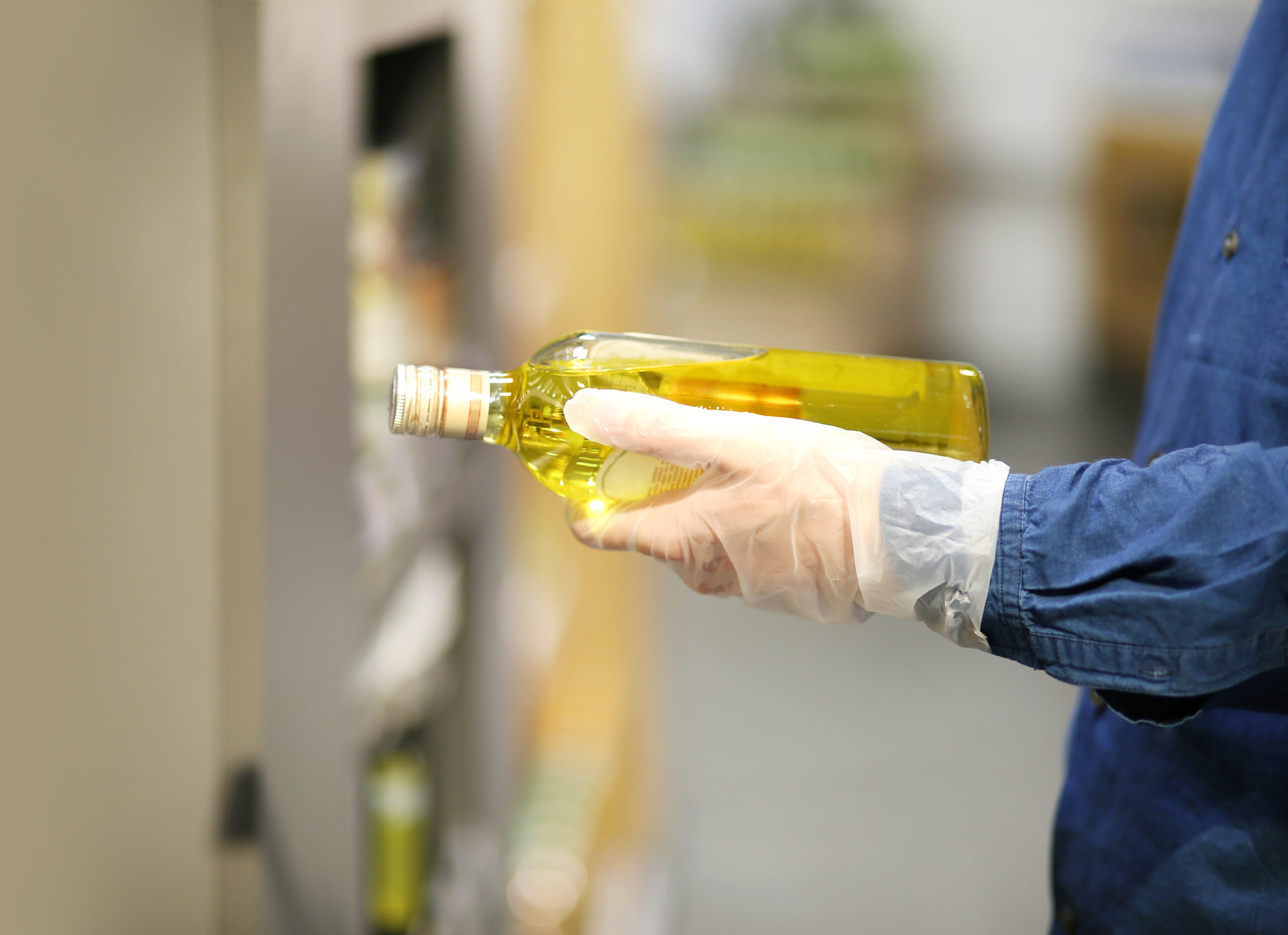
Olive oil is produced at scale across multiple regions worldwide, and industrial wastewater regulation is tightening in most of them. Whether the driver is an emissions directive, a water-scarcity…
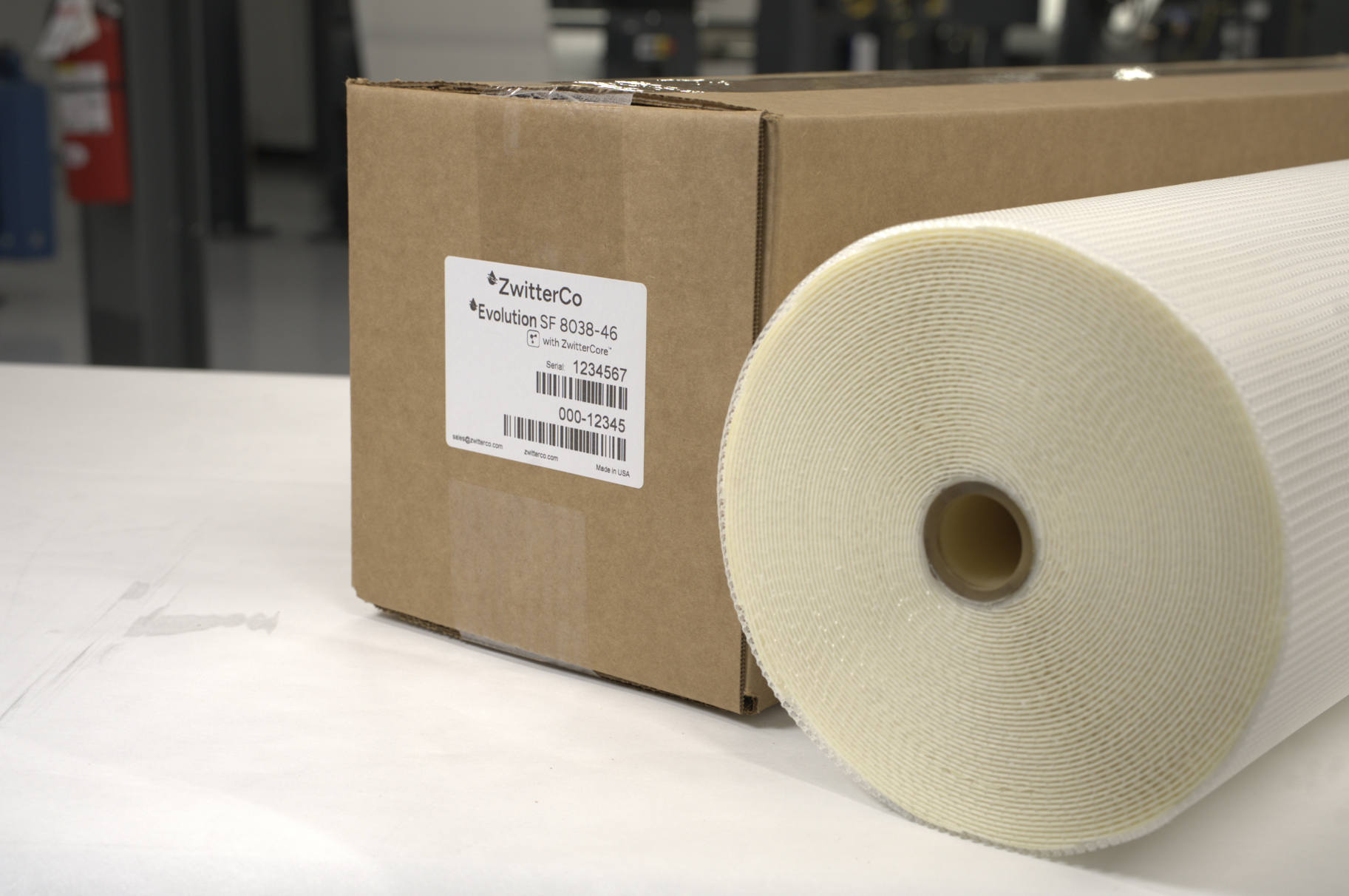
What Membrane Autopsies Reveal About Dairy Processing Conditions
In dairy processing, membrane performance issues rarely begin with the membrane itself. Most problems start upstream – in cleaning programs, separator performance, solids loading, or operating…
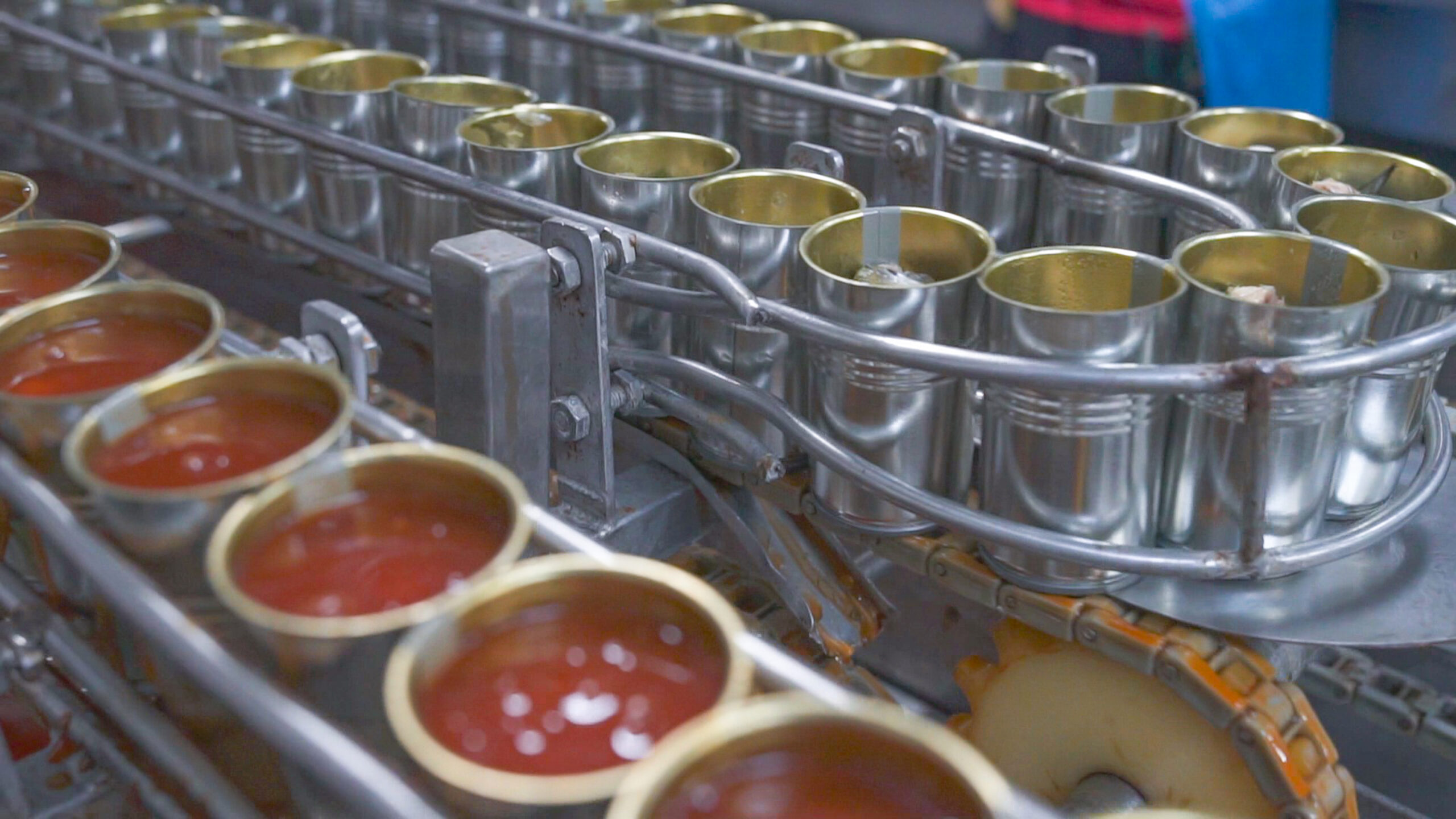
Why Peak Season Is the Hardest Time to Treat Produce Wastewater
If you run a tomato, fruit, or vegetable processing plant in the US, you already know that campaign season and compliance season don't run on the same clock. Production compresses into a short,…
The Role of Membranes in Enzyme Manufacturing
Enzyme manufacturing depends heavily on downstream processing. After fermentation is complete, processors still need to isolate, concentrate, and purify the desired enzyme product before it can move…

Industrial Water Users Across the Ogallala Aquifer Region Face a New Water Reality
For decades, industrial facilities across the High Plains have treated groundwater access as a given. That assumption is no longer holding. Across the Ogallala Aquifer region – spanning parts of…

ZwitterCo Unfiltered Recap | Ep 7: Cleaning Membranes Around the World – Regional Differences Explained
In this episode of ZwitterCo Unfiltered, Jon Goodman is joined by Scott Brown and Leonid Semenihin to answer customer questions about cleaning programs for membrane systems. The team compares how…

Solving Algae Fouling for Reliable Wastewater Discharge at a Seed Oil Refinery
Download Case Study Solving Algae Fouling for Reliable Wastewater Discharge at a Seed Oil Refinery The Challenge A seed oil refinery’s process wastewater feeds a roughly 30-million-gallon lagoon…
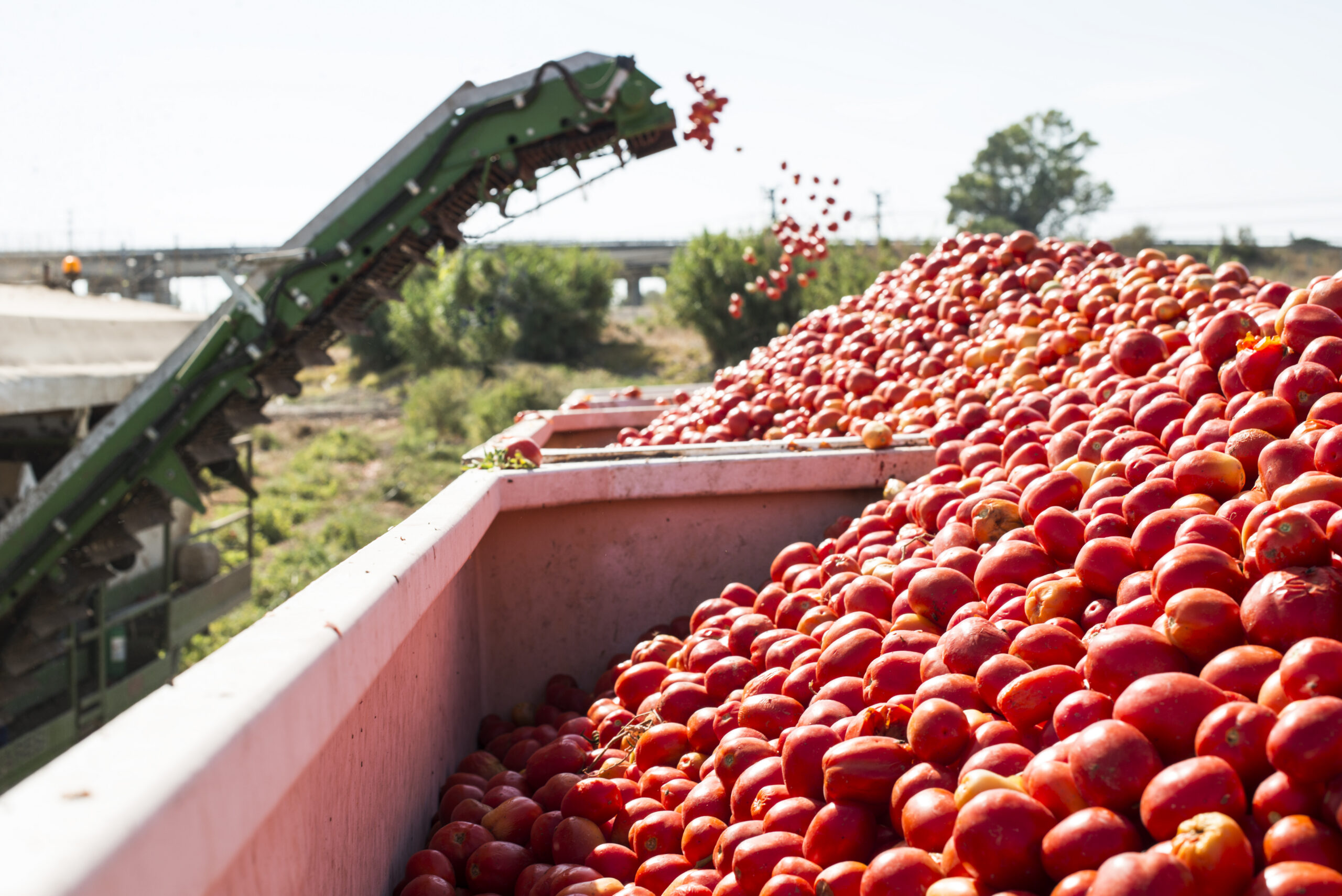
Italy's Tomato Processors Are Facing a Compliance Deadline Right When Their Wastewater Is Hardest to Treat
If you run a tomato processing plant in Italy, you're currently operating under two deadlines that don't care about each other. One is regulatory. One is seasonal. And this year, they land on top of…
What Drives Membrane Replacement Frequency in Dairy Plants?
Most dairy processors do not replace membranes because they suddenly fail. The process is usually much slower than that. Flux starts slipping. Pressures gradually climb. Cleaning programs become…
Spain's Olive Oil Processors Are Running Out of Time on IED Compliance – and Alpechin Is Why
Spain produces roughly 90% of the world's olive oil, and its mills are now facing two overlapping EU compliance deadlines they cannot defer. The Industrial Emissions Directive (IED) recast has pushed…
What Happens When You Eliminate the Enzyme Step?
In many membrane systems, the enzyme wash is treated as non-negotiable. It is often the longest step in a cleaning program and typically the most expensive from a chemical standpoint. It is also one…
The Economics of Membrane Selection in Dairy Processing
Membrane selection in dairy and food processing is often treated as a specification decision – pore size, material, and supplier. In practice, it is a financial decision that plays out every day on…
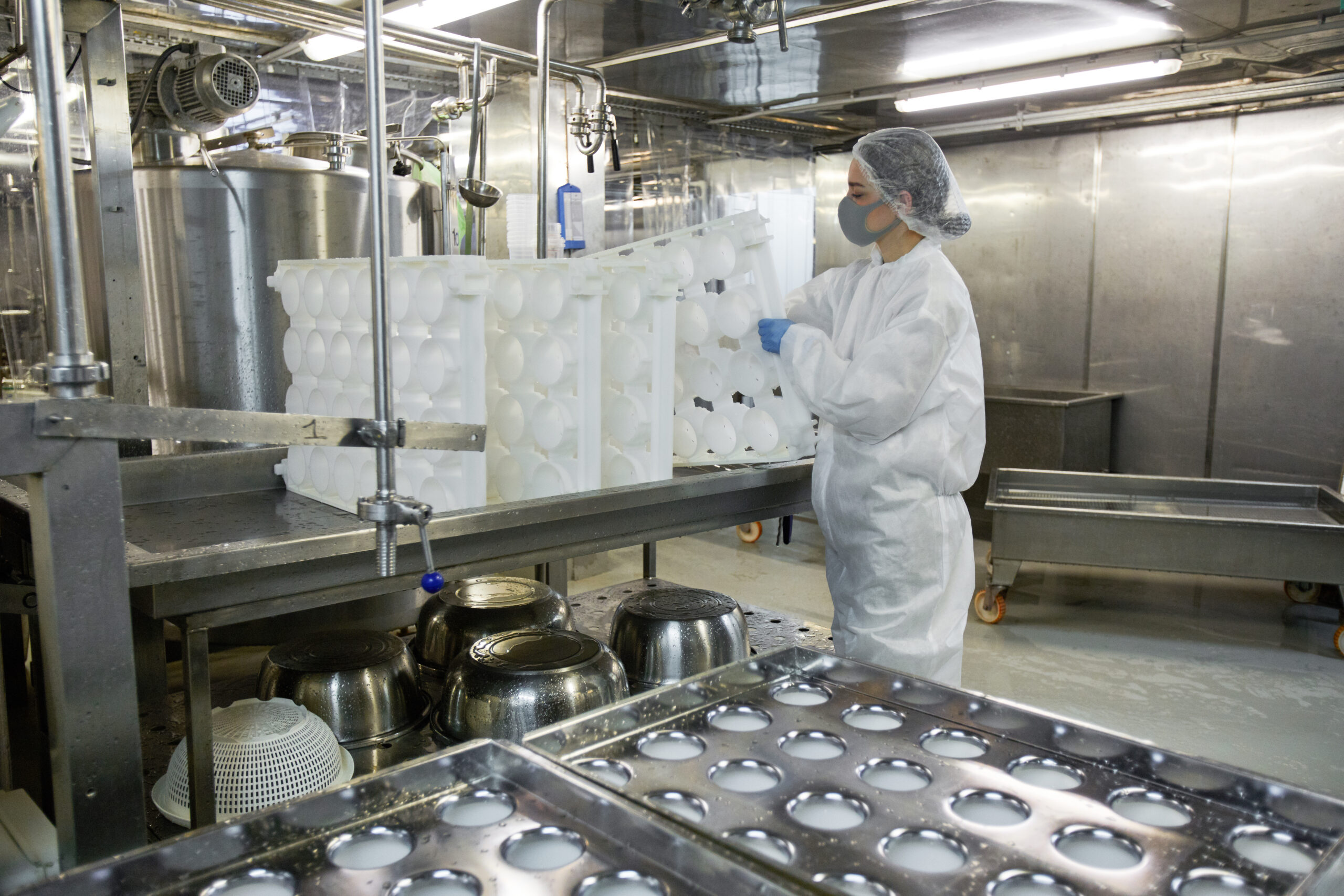
What Does “Productivity” Actually Mean in Dairy Processing?
“Productivity” gets used constantly in dairy processing conversations, but it rarely means just one thing. Ask a production manager, and the answer usually goes beyond simple throughput. Output…
Sustained RO Performance in Challenging Cidery Wastewater Reuse
Download Case Study Sustained RO Performance in Challenging Cidery Wastewater Reuse The Challenge A cider and beverage production facility in South Africa operates a wastewater reuse plant with an RO…

Validating ZwitterCo Expedition Superfiltration (SF) Solution for Reliable Industrial Wastewater Reuse
Download Case Study Validating ZwitterCo Expedition Superfiltration Solution for Reliable Industrial Wastewater Reuse An industrial wastewater treatment and reuse plant in Jeddah industrial city…
Preparing for NOM-001-SEMARNAT-2021 Compliance
For many industrial facilities in Mexico, wastewater treatment has historically been designed around compliance with discharge requirements established decades ago. That landscape is changing. The…
South Africa's Food and Beverage Industry Is Facing a New Water Reality
South Africa's food and beverage manufacturers are operating in an environment where water management is becoming a strategic business issue rather than a routine utility function. Across the…
California Water Regulations Are Changing Food & Beverage Wastewater Treatment
For decades, many California food and beverage facilities operated with a simple assumption: if production expanded, water supply could expand with it. That assumption is becoming increasingly…
ZwitterCo Unfiltered Recap | Ep 6: MTF 2026 Takeaways - Protein Recovery, Acid Whey, and Membrane Innovation
In Episode 6 of ZwitterCo Unfiltered, Jon Goodman and Scott Brown recap their biggest takeaways from the Membrane Technology Forum (MTF) in Minneapolis, discussing the conversations shaping today's…
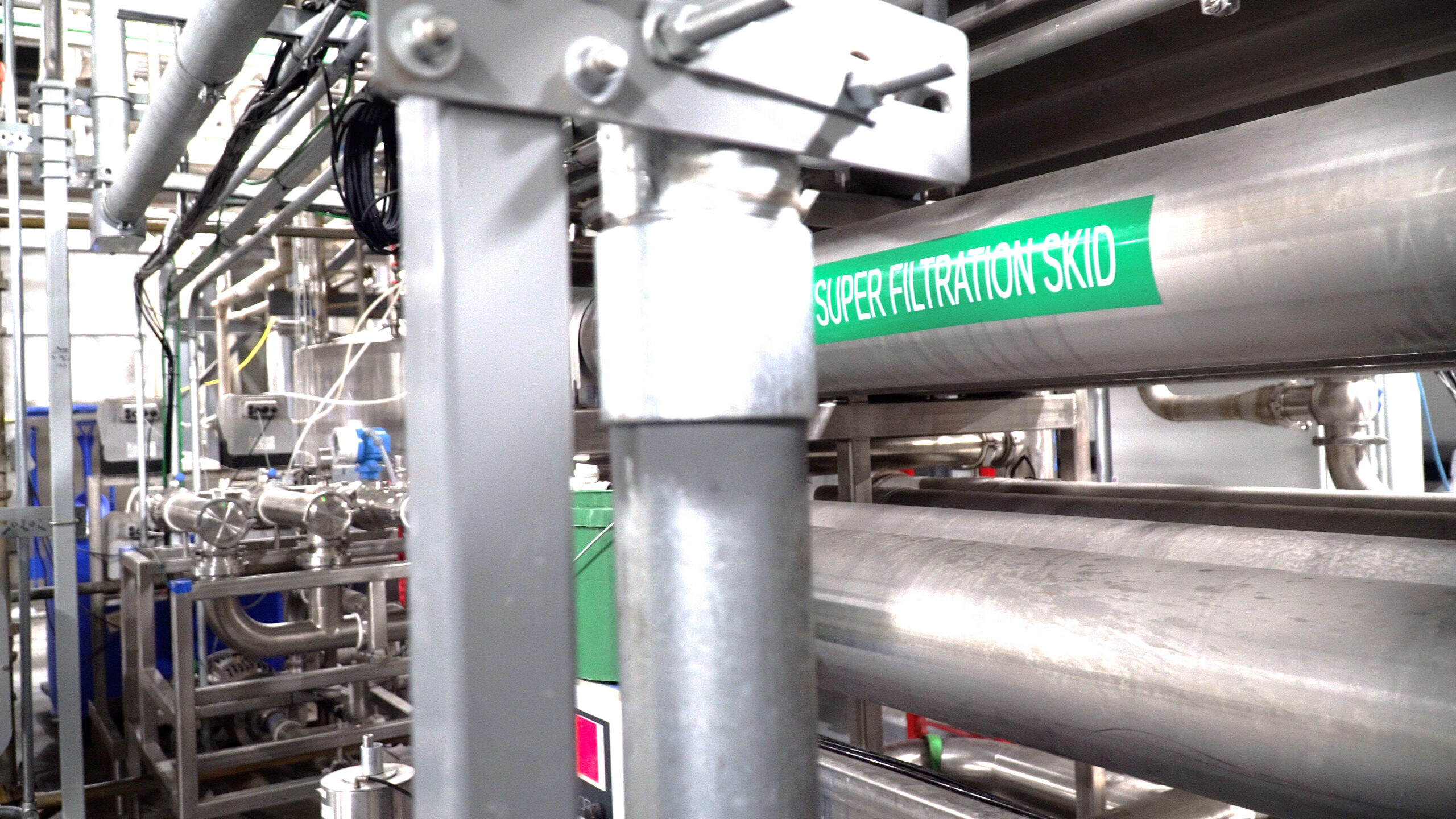
Why Conventional UF + RO Systems Struggle in Beverage Wastewater Reuse
Water reuse has become a strategic priority for beverage manufacturers and breweries. Facilities across California, Mexico, and other water-stressed regions are looking for ways to reduce freshwater…

What’s Really Inside Dairy Protein – And How Processing Impacts It
Dairy protein is often discussed in terms of concentration – whey protein concentrate (WPC), whey protein isolate (WPI), milk protein concentrate (MPC). But concentration alone doesn’t define value.…
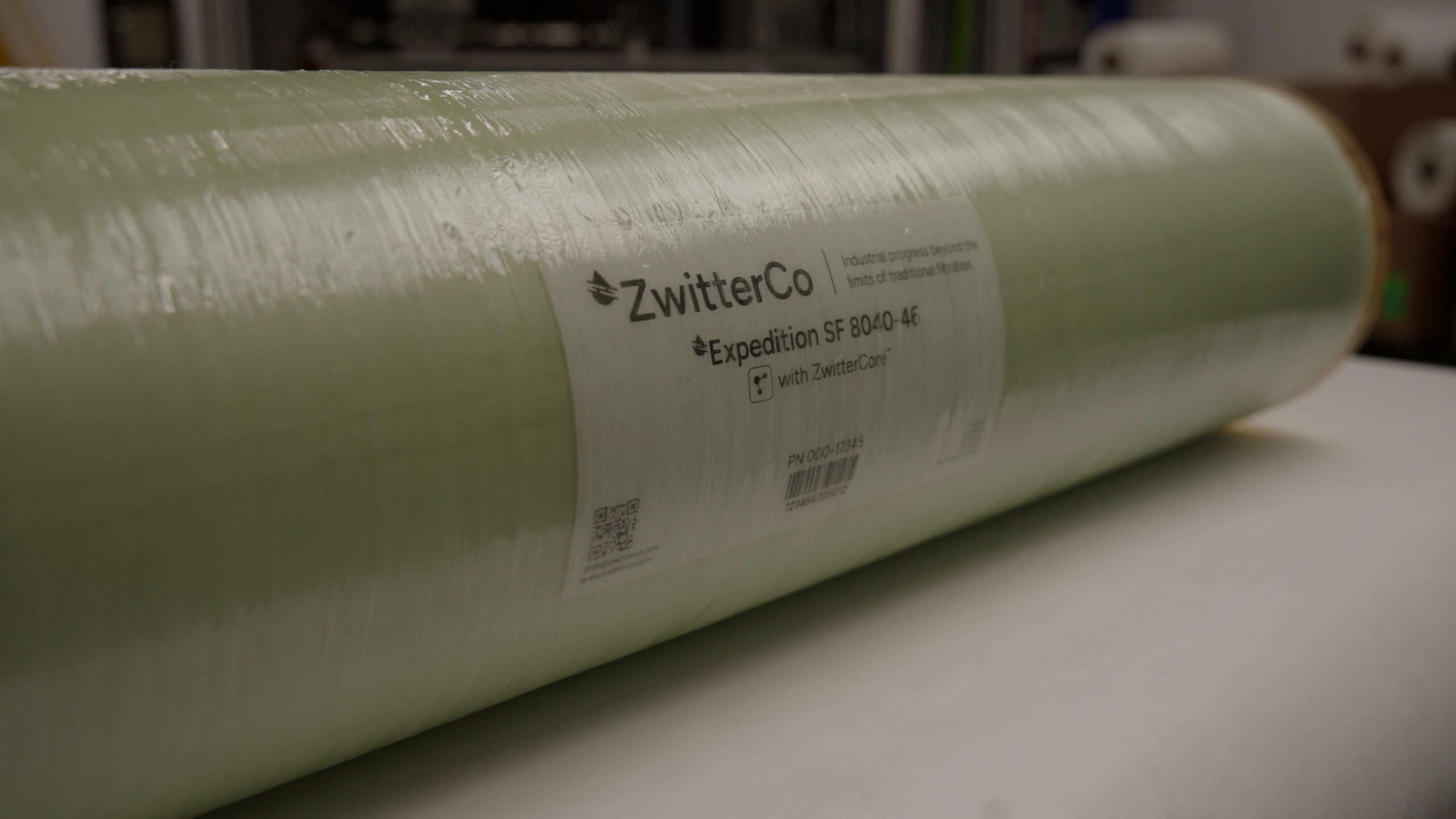
Rethinking RO Pretreatment in European F&B Wastewater: A Superfiltration Approach
In European food and beverage wastewater systems, reverse osmosis (RO) performance is rarely limited by the membrane itself. It is limited by the quality and stability of the feed delivered to it.…
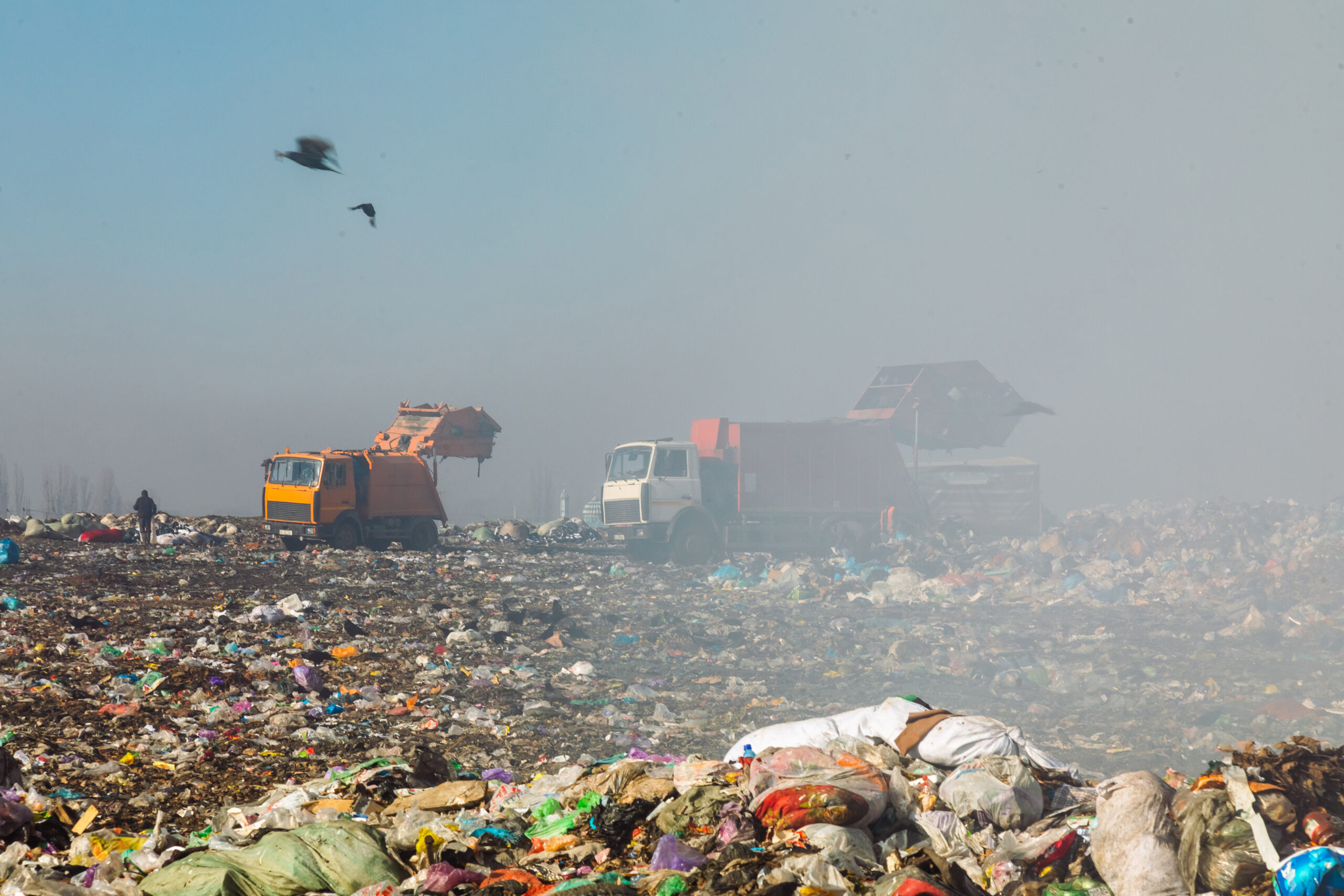
Landfill Leachate Regulations in Italy and Spain & What They Mean for Treatment Design
Landfill leachate sits at the intersection of waste management and water regulation. It is one of the most complex industrial wastewaters to treat, with high concentrations of both organic and…
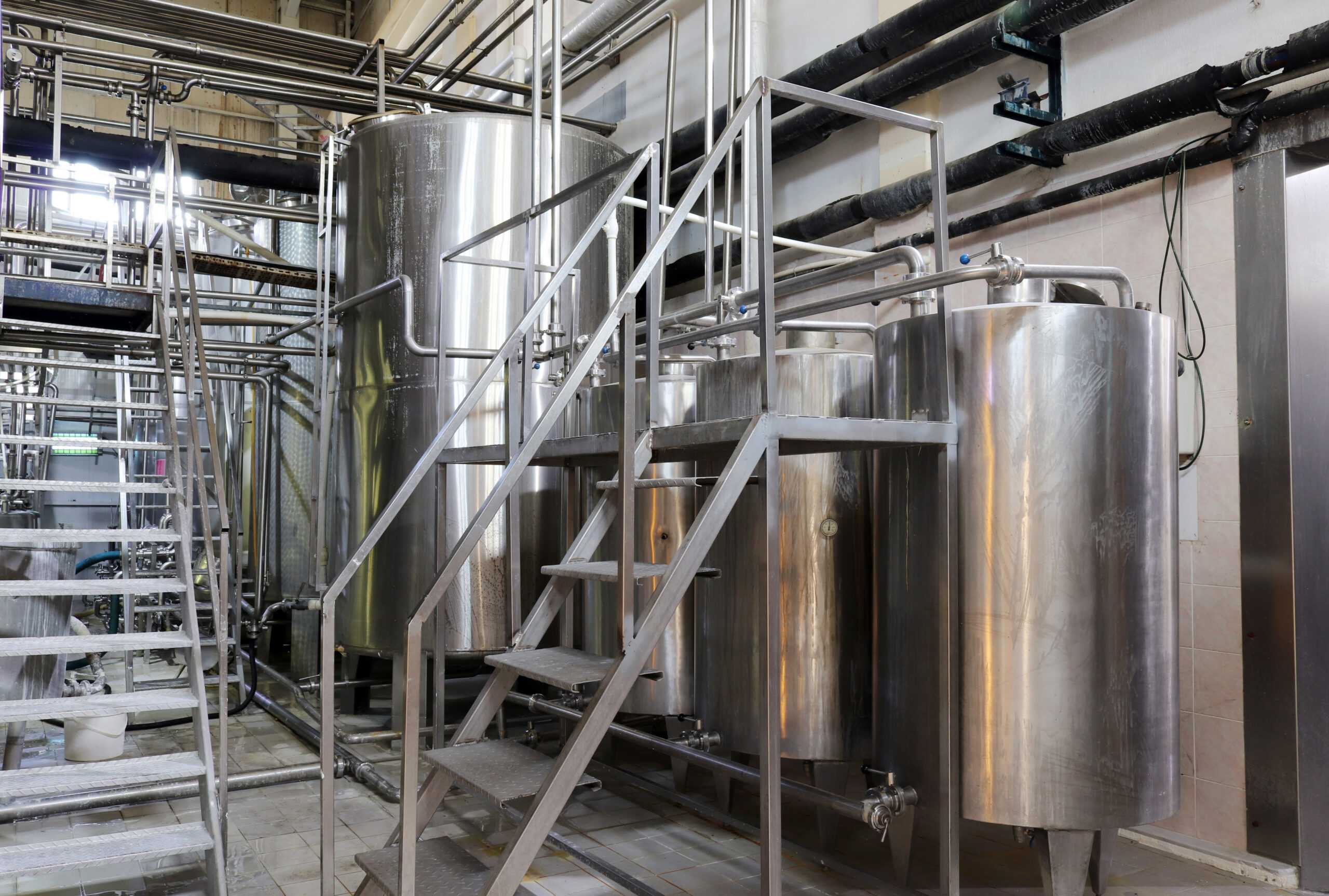
Why Membrane Cleaning Programs Are Longer Than You Think
Most membrane systems are described as having a “four-step” cleaning program. On paper, that usually includes an alkaline wash, an enzyme wash, an acid wash, and a sanitization step. That…

ZwitterCo Unfiltered Recap | Ep 5: Membrane Chemistry Explained
In Episode 5 of ZwitterCo Unfiltered, Jon Goodman and Lyndsey Pence take a deeper look at membrane chemistry, membrane structure, and how different membrane types are manufactured and used across…
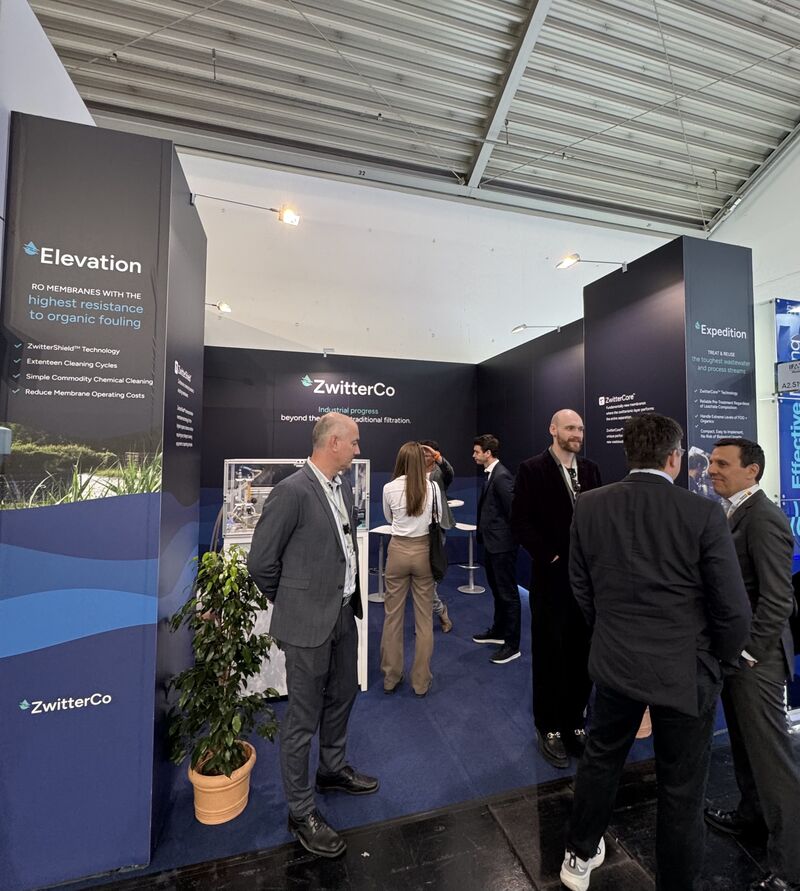
ZwitterCo at IFAT Munich 2026: A Recap
In its 60th anniversary year, IFAT Munich 2026 brought together around 3,400 exhibitors and approximately 142,000 visitors from across the global environmental technology industry. Since 1966, IFAT…

Dairy vs. Plant Proteins – The Processing Reality Behind Both
Discussions around dairy and plant proteins usually stay focused on the end product. Inside the plant, the constraints look very different. Both dairy and plant protein systems are defined by…
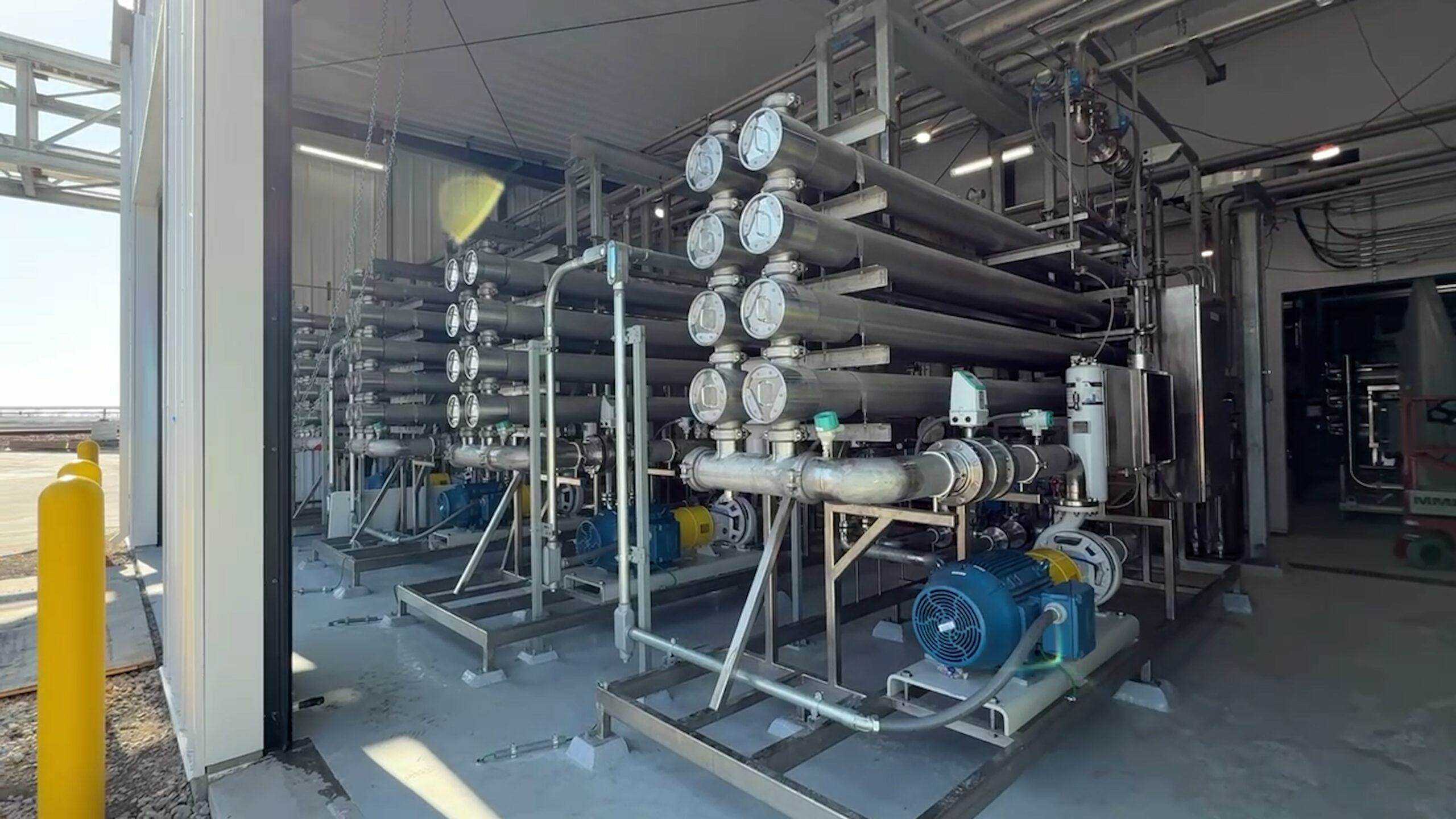
Improving RO Reliability in Mobile Water Treatment
Mobile water treatment providers operate under a different set of constraints than fixed facilities. Systems must be deployed quickly, perform reliably across changing feed conditions, and meet…
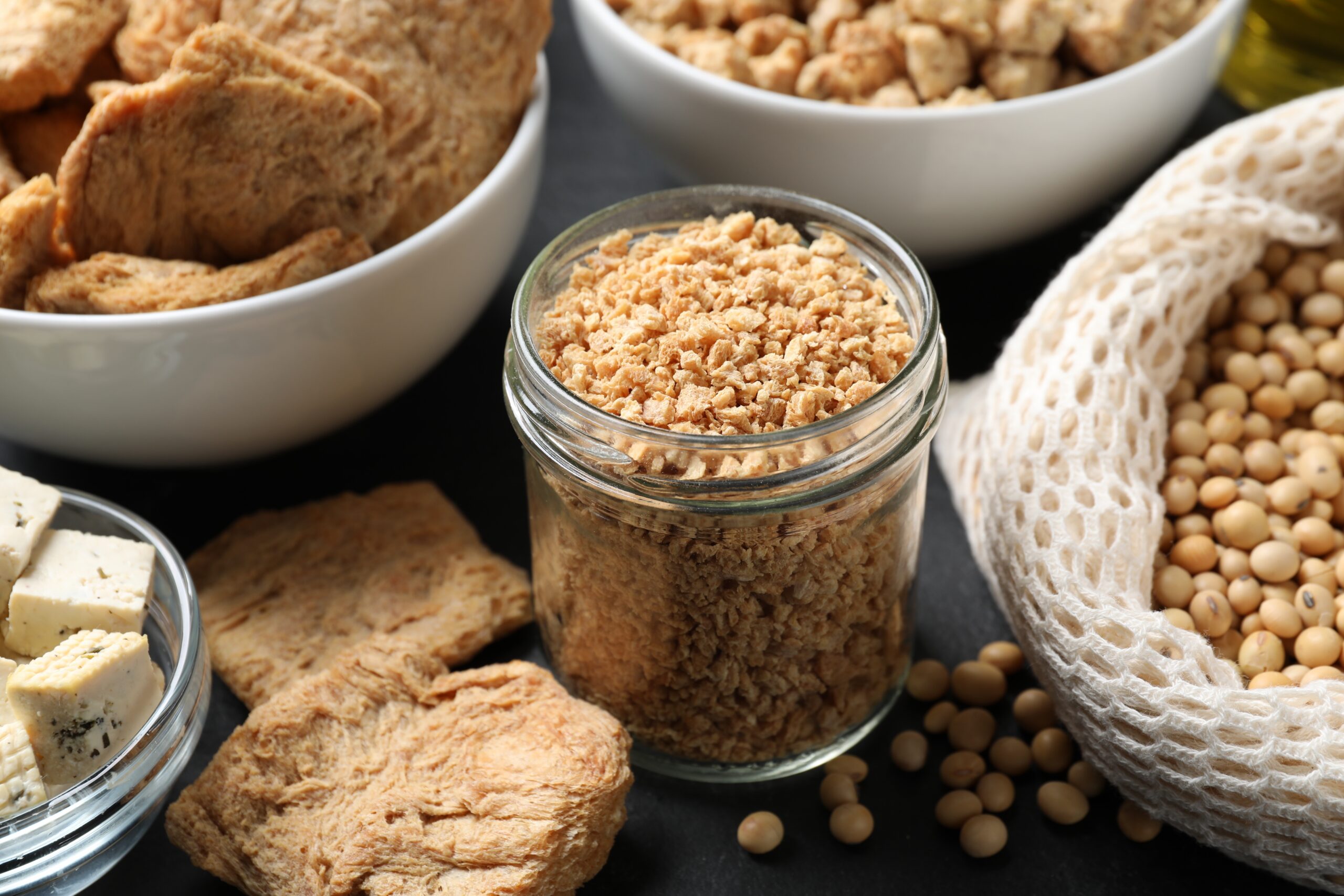
How ZwitterCo Evolution PCM Membranes Improve Sustainability in Soy Protein Processing
Soy protein processing continues to scale as demand for plant-based ingredients grows. As production increases, processors are placing greater emphasis on reducing water usage, lowering chemical…

Rising Water Stress in LATAM Food & Beverage: Why Processors Are Re-Evaluating Wastewater Strategies
Food and beverage producers across Latin America are operating under a different set of water constraints than they were even a few years ago. In regions like Brazil, Chile, Peru, and Mexico, water…
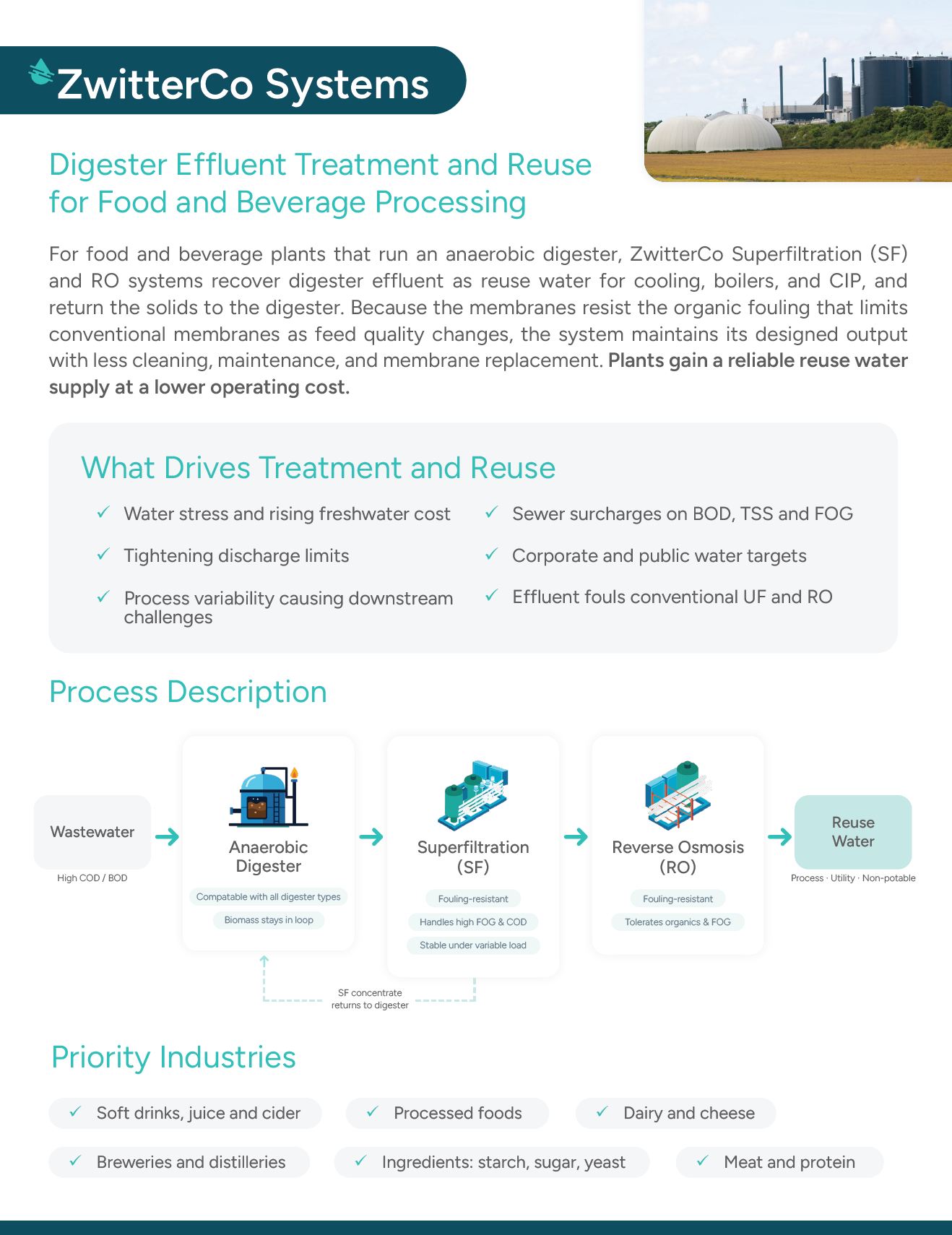
ZwitterCo Systems for Digester Effluent Treatment and Reuse One Pager
ZwitterCo Systems for Digester Effluent Treatment and Reuse One Pager

Webinar - Evolution Membranes in Europe
WEBINAREvolution Membranes in Europe: Anti-Fouling Technology for Protein Processors
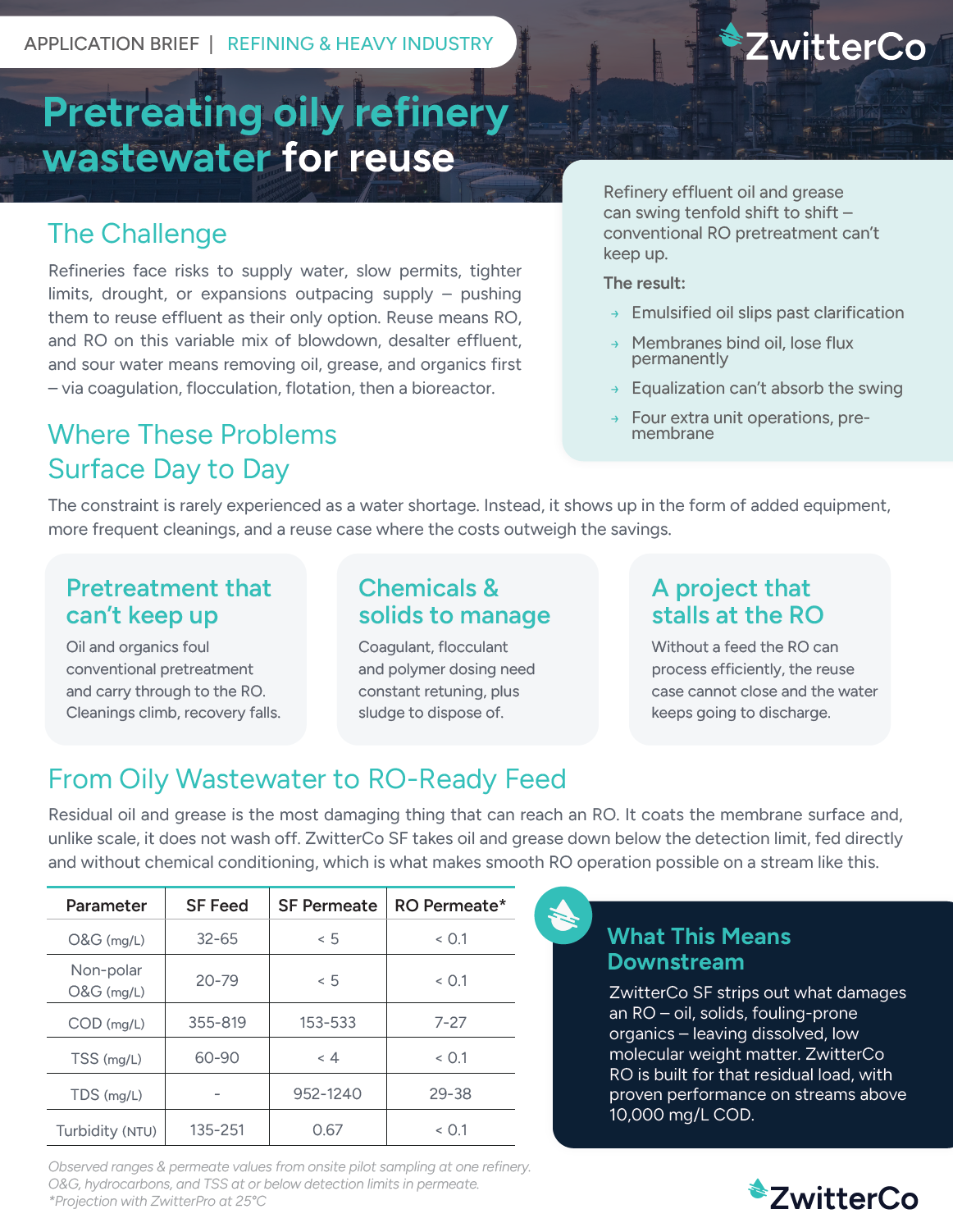
Pretreating Oily Refinery WW for Reuse Application Brief
Pretreating Oily Refinery WW for Reuse Application Brief
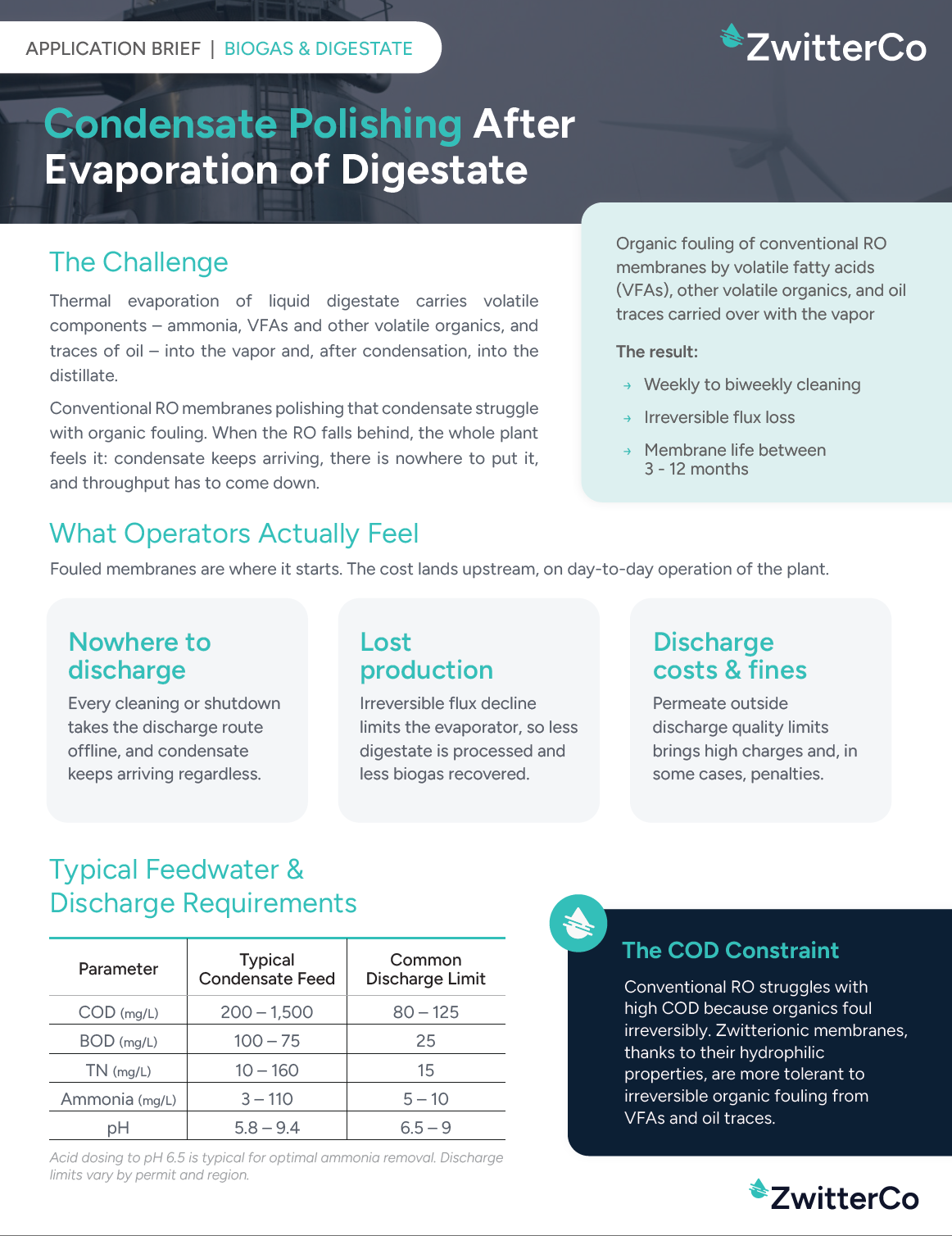
Condensate Polishing After Evaporation of Digestate Application Brief
Condensate Polishing After Evaporation of Digestate Application Brief
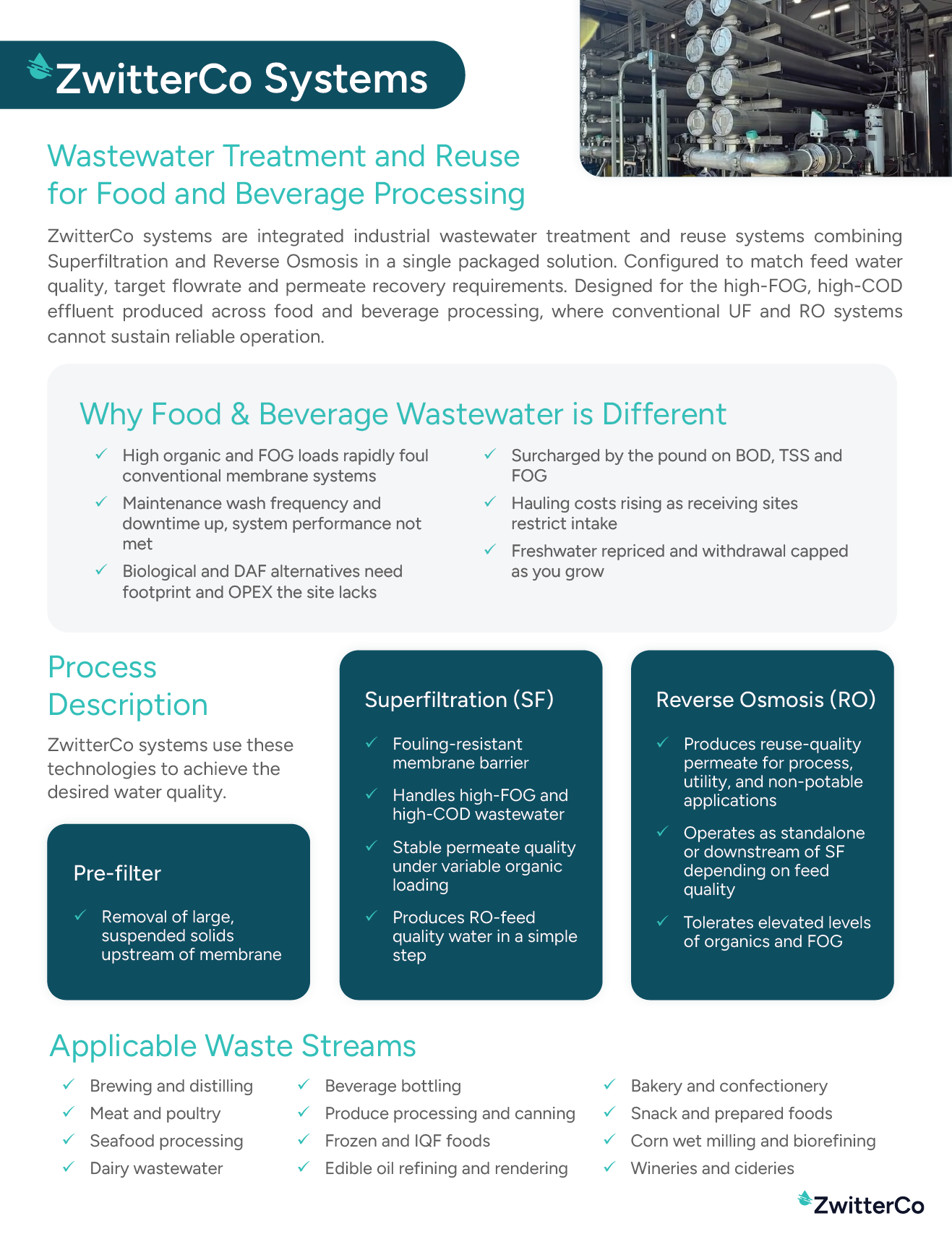
ZwitterCo Systems for Food & Beverage Wastewater One Pager
ZwitterCo Systems for Food & Beverage Wastewater One Pager
Solving Algae Fouling for Reliable Wastewater Discharge at a Seed Oil Refinery Case Study
Solving Algae Fouling for Reliable Wastewater Discharge at a Seed Oil Refinery

Evolution Webinar - Inside the Data: Evolution Membranes Across Dairy Applications
WEBINARInside the Data: Evolution Membranes Across Dairy Applications

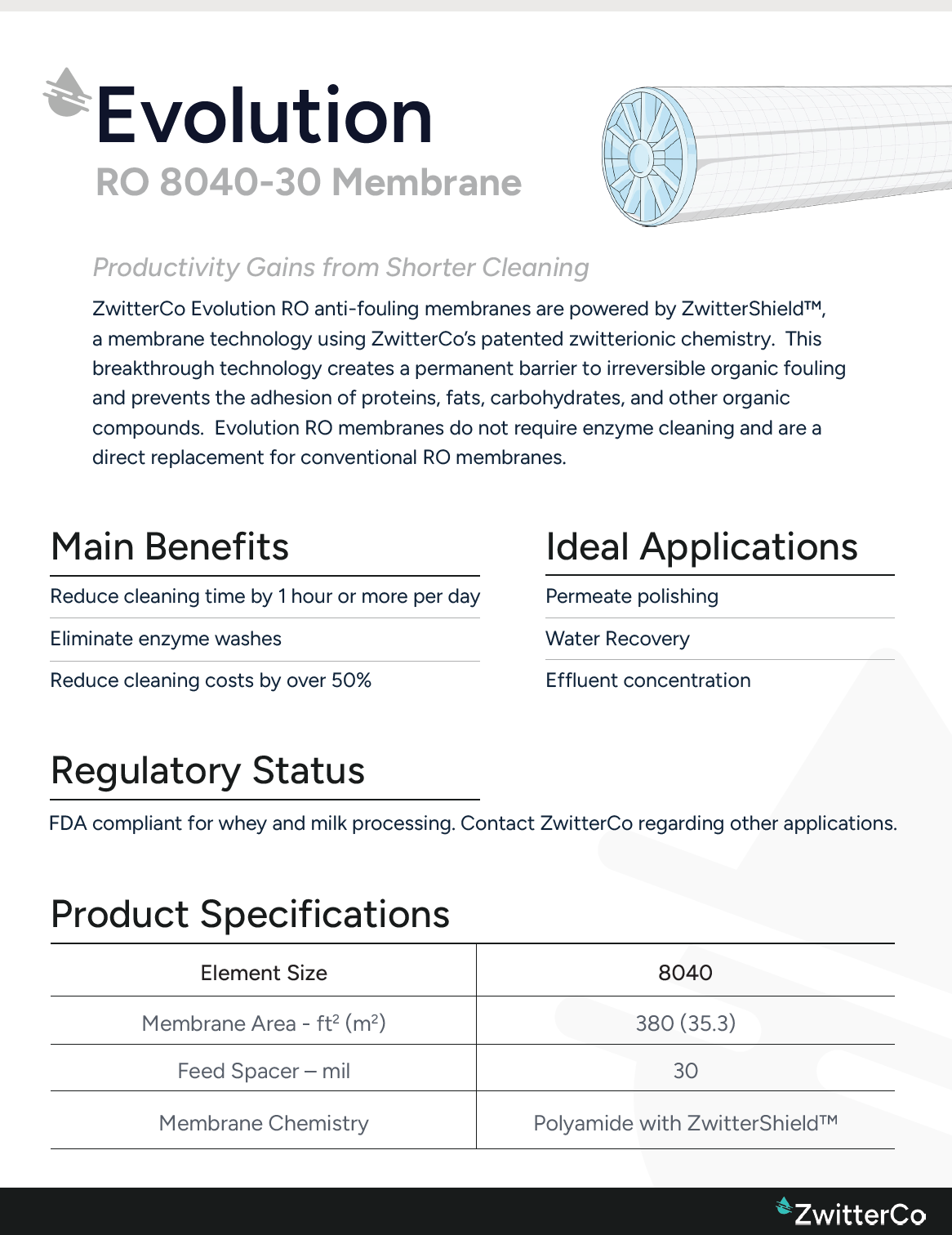


RO for Challenging Cidery Wastewater Reuse Case Study
Sustained RO Performance in Challenging Cidery Wastewater Reuse
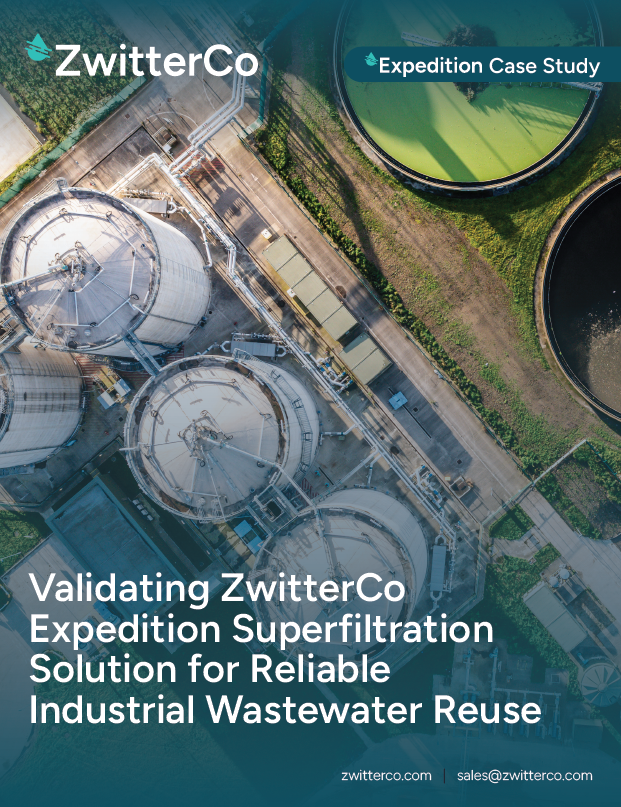
Expedition SF for Industrial Wastewater Reuse Case Study
Expedition SF for Industrial Wastewater Reuse