In European food and beverage wastewater systems, reverse osmosis (RO) performance is rarely limited by the membrane itself. It is limited by the quality and stability of the feed delivered to it.
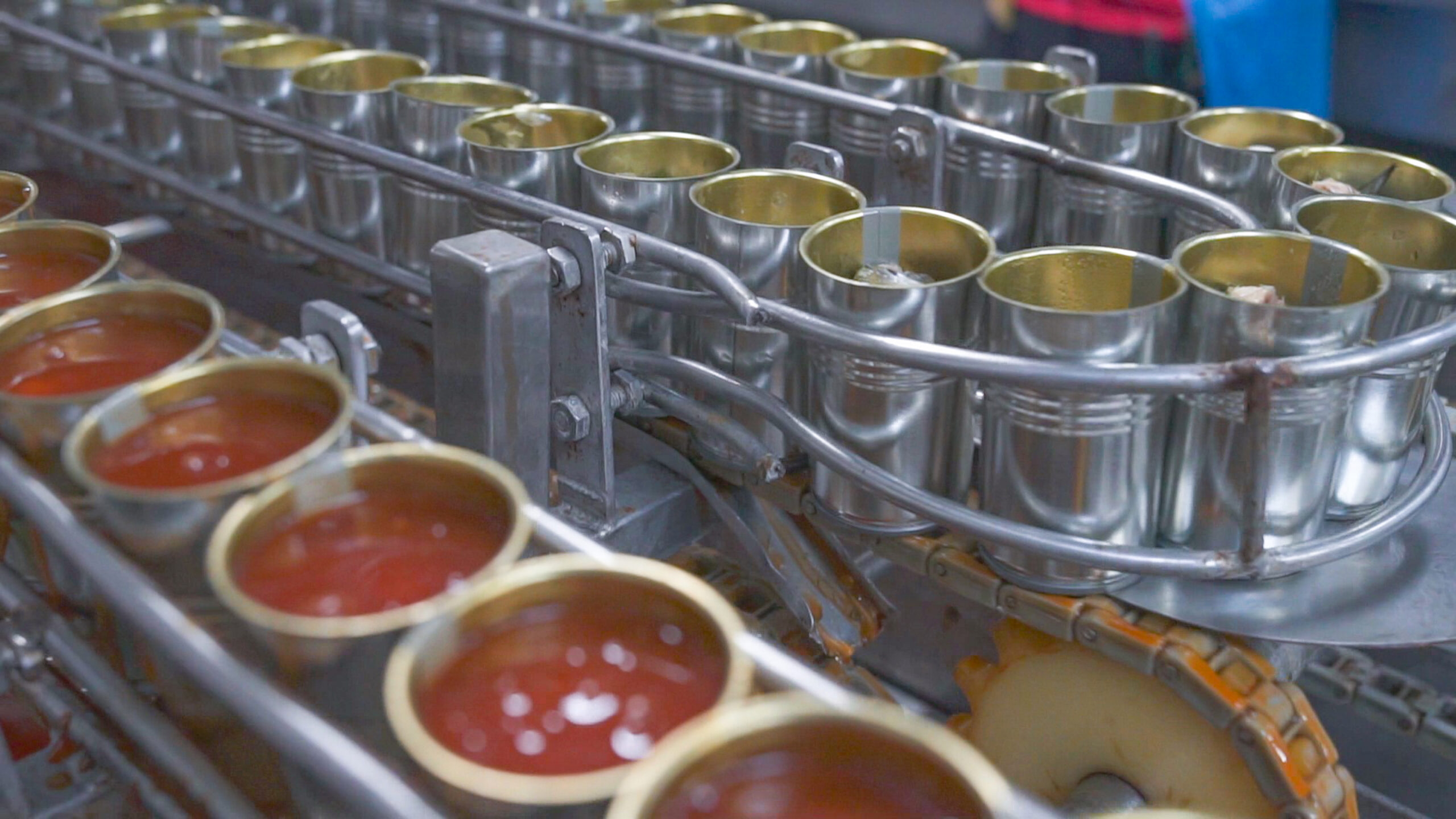
Across high-strength F&B applications, pretreatment trains are expected to reduce suspended solids, fats, oils, grease (FOG), and a portion of the organic load. In practice, most conventional pretreatment configurations remove only particulate material while allowing dissolved and colloidal organics to pass through.
These residual organics drive the dominant fouling mechanisms in RO systems. Once established, these mechanisms increase transmembrane pressure, reduce permeate flux, and force more frequent clean-in-place (CIP) cycles. Over time, repeated chemical exposure accelerates membrane degradation and replacement frequency.
Regulatory and Operating Constraints in Europe
The margin for underperformance is narrowing. Revisions to the Industrial Emissions Directive and associated BAT-AELs are tightening allowable discharge concentrations across multiple F&B sectors. Simultaneously, the EU Water Reuse Regulation is formalizing reuse pathways, particularly in regions where water abstraction is constrained.
Southern Europe is already experiencing restrictions on freshwater withdrawal. Facilities are being pushed toward higher recovery rates and internal reuse loops, which place additional demands on membrane systems. At the same time, CSRD reporting requirements are increasing visibility into water intensity, chemical consumption, and wastewater generation. Frequent CIP cycles and high chemical usage are no longer just operational concerns – they are reported metrics.
These drivers converge at a single point: systems must operate with higher stability and lower chemical intensity, even as feed variability increases.
Why Pretreatment Struggles with High-Strength F&B Streams
The limitation of conventional pretreatment is not a lack of unit operations. It is a mismatch between separation mechanisms and contaminant profiles.
Typical F&B wastewater streams contain various contaminants spanning:
- Suspended solids (readily removed)
- Emulsified oils and fats
- Dissolved proteins, carbohydrates, and fermentation byproducts
- Colloidal and sub-micron organics
DAF systems effectively remove floatable solids and a portion of FOG, but performance is dependent on coagulant and flocculant dosing. Soluble organics remain largely unaffected.
Granular media and cartridge filtration operate strictly on particle size exclusion at relatively large cutoffs. They provide no meaningful reduction in dissolved organic load.
MBRs reduce biodegradable COD but introduce their own operational sensitivities. More importantly, they allow soluble microbial products and residual organics to pass through to downstream membranes.
Conventional UF membranes extend particle removal into the sub-micron range but are prone to organic fouling when exposed to high COD and FOG. Fouling manifests as rapid permeability loss, driving aggressive CIP protocols and limiting membrane life.
The net result is a pretreatment system that removes solids but does not materially condition the feed for RO. The RO membrane becomes the primary barrier for dissolved organics, which it is not designed to handle.
Operational Consequences at the RO Stage
When RO receives a feed stream with elevated dissolved organics, several predictable behaviors emerge:
- Flux decline accelerates due to gel layer formation and adsorption
- Differential pressure increases across membrane elements
- CIP frequency increases, often to weekly or more frequent intervals
- Cleaning effectiveness declines over time due to irreversible fouling
- Membrane replacement intervals shorten
Each cleaning introduces downtime, chemical cost, and mechanical stress on the membrane. Frequent cleaning cycles also reduce system availability and increase total operating expenditure.
In high-strength applications, these effects are not occasional. They define steady-state operation.
Superfiltration (SF): Separation Mechanism and Material Behavior
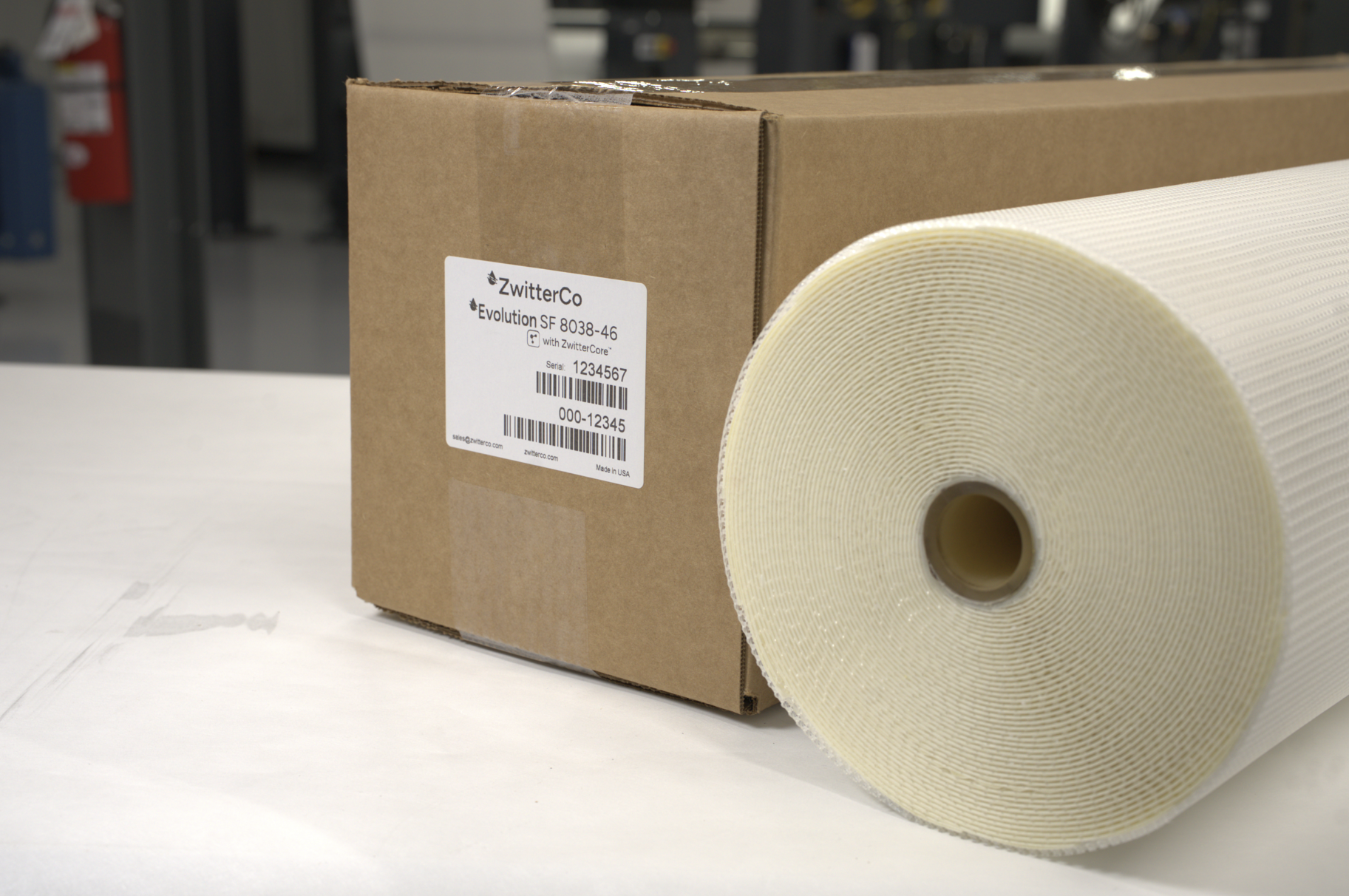
ZwitterCo Expedition SF introduces a different separation regime between ultrafiltration and nanofiltration.

SF membranes operate on size-selective exclusion at approximately the 1 nanometer scale. This enables removal of dissolved macromolecules such as proteins, polysaccharides, and humic substances that pass through conventional UF.
The distinguishing factor is not only pore size. It is surface chemistry.
SF membranes are built on zwitterionic materials that exhibit strong hydrophilicity. The membrane surface forms a stable, permanent hydration layer, where water molecules are tightly associated with the polymer structure. This hydrated interface acts as a physical and energetic barrier to organic adsorption. In other words, this reduces the rate of irreversible organic fouling. Organic compounds are less likely to adhere and more easily removed during cleaning.
SF Performance Characteristics Relevant to F&B Wastewater
For high-strength F&B applications, several performance attributes are directly relevant:
- Ability to handle elevated FOG concentrations, up to 5%
- Removal of turbidity, fats, and macro-molecular organics prior to RO
- Partial reduction of dissolved COD and BOD fractions
- Low salt rejection, preserving osmotic balance for downstream RO
- Operation without coagulant or flocculant dosing
This combination results in a permeate stream with lower fouling potential compared to UF-treated feeds.
Because SF operates at lower pressure than NF and does not significantly reject salts, it avoids the energy penalty typically associated with tighter separations.
Impact on Downstream RO Operation
Conditioning the RO feed through SF changes the dominant fouling regime.
With reduced macromolecular organics, the rate of gel layer formation decreases. Adsorptive fouling is mitigated due to lower concentrations of foulants reaching the membrane surface. Biofouling potential is also reduced due to lower substrate availability.
The operational effects are measurable:
- Slower flux decline over time
- Reduced frequency of CIP events
- Improved recovery of performance after cleaning
- Extended membrane service life
ZwitterCo membranes are designed to fully recover performance after cleaning due to resistance to irreversible fouling, even in high-organic environments. Lower cleaning frequency directly reduces chemical consumption and water usage, while also increasing system uptime.
Process Architecture Implications
The introduction of SF enables a simplification of the overall treatment train.
Conventional configurations often include DAF, biological treatment, UF, and multiple polishing steps prior to RO. Each stage introduces operational dependencies, chemical inputs, and maintenance requirements.
An SF-based architecture reduces the number of required unit operations. In many cases, SF can replace combinations of DAF + UF or MBR + UF configurations, depending on feed characteristics.
The resulting system has:
- Fewer chemical dosing points
- Reduced sludge generation
- Simplified CIP protocols
- Lower footprint and mechanical complexity
This simplification improves overall system controllability and reduces the number of failure points.
Impact on Circularity and Resource Recovery
By concentrating organic material without chemical addition, SF also creates opportunities for downstream valorization. Concentrated organics can be directed to anaerobic digestion systems, improving biogas yield. In applications such as starch or oil processing, recovered streams may have direct reuse or byproduct value.
Reducing the volume of water entering downstream concentration or thermal systems improves overall energy efficiency, particularly in MLD or ZLD configurations. These outcomes align with EU-level initiatives focused on circular resource use and reduced environmental impact.
Engineering Considerations for Implementation
Implementation requires a shift in how pretreatment is specified. Feed characterization should prioritize organic fractionation, not just total COD. Understanding the distribution between particulate, colloidal, and dissolved organics is critical.
Pilot testing should be conducted under representative worst-case conditions, including seasonal peaks and process upsets. Cleaning protocols should be validated alongside separation performance.
Economic evaluation should consider multi-year operating costs, including chemical consumption, membrane replacement, downtime, and labor. Systems that reduce CIP frequency and extend membrane life often deliver lower total cost of ownership despite higher initial membrane capability.
Retrofit feasibility is also a key factor. Spiral-wound SF elements that fit standard housings enable integration into existing systems without major redesign.
In high-strength European F&B wastewater applications, the limiting factor for RO performance is the organic load that reaches it. Conventional pretreatment approaches reduce suspended solids but do not adequately control dissolved and colloidal organics. This mismatch drives the fouling behavior that defines RO operation.
Superfiltration (SF) introduces a separation mechanism and material platform specifically suited to these contaminants. By removing macro-molecular organics and resisting fouling at the membrane surface, it produces a feed stream that RO systems can sustain.
For process engineers designing or upgrading treatment systems, the implication is straightforward. Pretreatment is not a preliminary step. It is the primary control point for long-term RO performance.
Contact us today to learn more about ZwitterCo Superfiltration (SF)