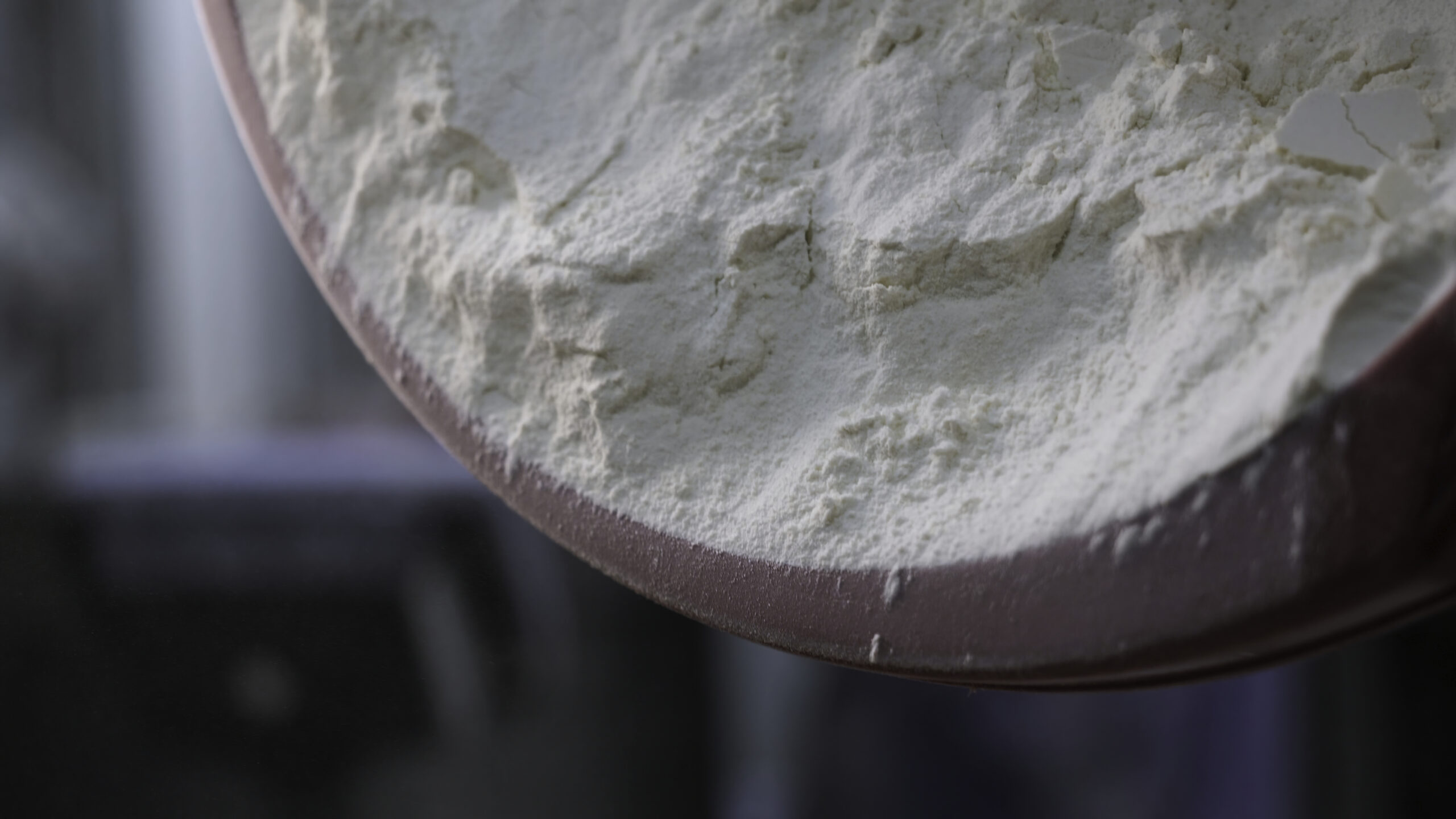
Dairy protein is often discussed in terms of concentration – whey protein concentrate (WPC), whey protein isolate (WPI), milk protein concentrate (MPC). But concentration alone doesn’t define value. What matters is what stays intact through processing and how efficiently it can be recovered.
Milk starts as a complex mixture of proteins, fats, lactose, minerals, and water. The protein fraction is dominated by casein and whey proteins. Casein forms micelles that carry calcium and phosphorus, while whey proteins remain soluble and include beta-lactoglobulin and alpha-lactalbumin. These proteins are sensitive to heat, shear, and chemical exposure, which means processing decisions directly affect their structure and functionality.
Once milk enters a processing facility, those decisions begin immediately.
What Happens to Protein During Processing
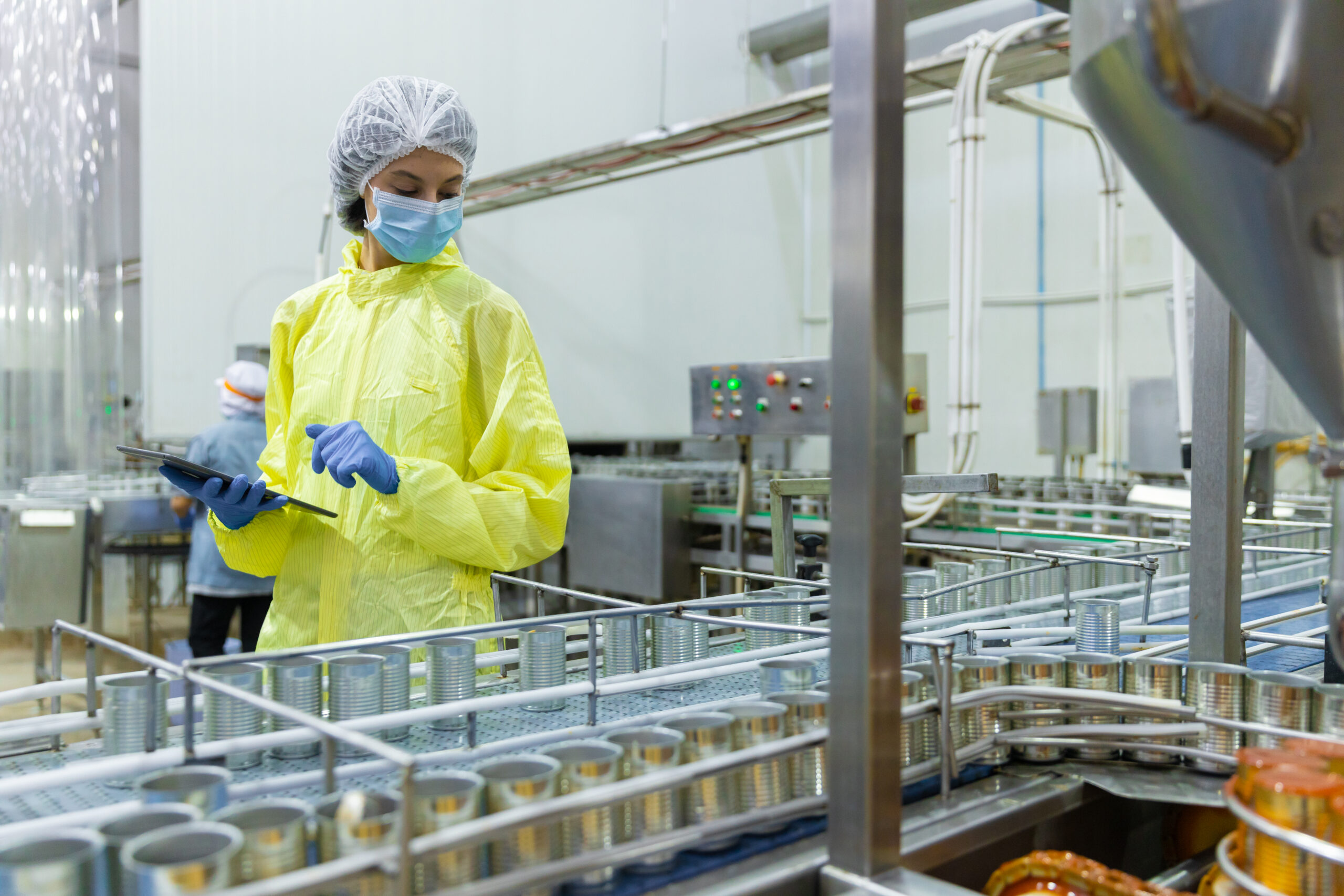
Separation and concentration steps are designed to isolate and increase protein content, but they also expose proteins to conditions that can alter them.
Temperature is one of the most significant variables. Heat is used throughout dairy and food processing for pasteurization, evaporation, and drying. As temperature increases, whey proteins can denature. That changes solubility, viscosity, and downstream functionality in finished products.
Drying is where this becomes especially relevant. The higher the solids content before the dryer, the less water needs to be removed. Less water removal means less thermal exposure. That directly preserves protein integrity and reduces energy demand.
Cleaning programs also play a role. Membrane systems require regular cleaning to maintain flux. These cleaning programs often include alkaline, acid, and enzyme steps, along with multiple flushes. In practice, a “four-step” cleaning program can expand to more than ten steps once flushes are included. Each step introduces chemical exposure, temperature changes, and downtime.
Over time, aggressive cleaning can contribute to membrane degradation and variability in separation performance. That affects both protein recovery and consistency.
The Role of Membranes in Protein Integrity
Membrane filtration is central to modern dairy and food processing. Ultrafiltration (UF), nanofiltration (NF), and reverse osmosis (RO) are used to separate and concentrate proteins at different stages.
The challenge is fouling.
As proteins, fats, and other organics accumulate on the membrane surface, they form a gel layer. That layer reduces flux and creates uneven flow conditions across the membrane. Lower flux means longer run times to reach target concentration. Longer run times increase exposure to temperature and shear.
Fouling also drives more intensive cleaning programs, which further affects system stability and operating costs.
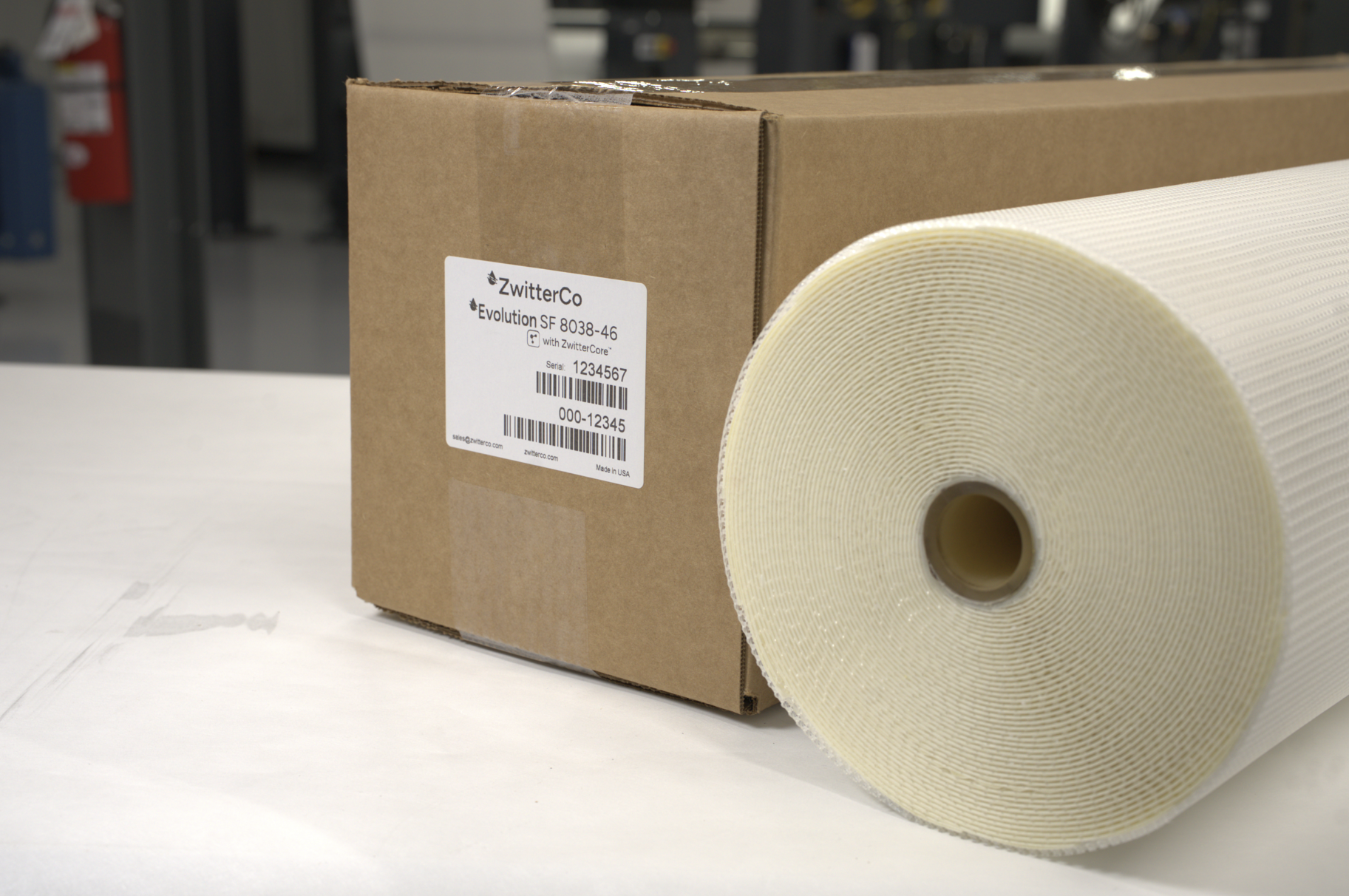
ZwitterCo Evolution membranes approach this differently. Their zwitterionic chemistry forms an extremely hydrophilic surface that repels organic foulants. By minimizing gel layer formation, these membranes maintain higher sustainable flux and recover more easily during cleaning. The result is fewer cleaning steps, shorter cleaning programs, and more time spent producing.

Higher flux at high solids is not just a throughput benefit. It directly affects how quickly protein can be concentrated and how much stress it experiences during that process.
Pushing Concentration Further with Superfiltration (SF)
One of the most practical ways to protect protein during processing is to reduce how much heat is required later in the process. That comes down to achieving higher solids earlier.
This is where membrane selection becomes critical.
In many dairy and food processing systems, NF is used to maximize protein concentration. Replacing NF with SF changes how that step performs. SF allows processors to remove lactose while maintaining higher protein retention. That enables higher overall protein concentration before drying. At the same time, higher operating flux allows systems to reach those concentrations faster.
Field data shows that Evolution SF membranes can operate at higher flux compared to conventional membranes while maintaining permeate quality, even at retentate solids around 28–29%. That combination – higher flux and stable separation – allows processors to push solids higher without extending run times.
Driving solids higher upstream reduces the amount of water that must be removed in the dryer. That lowers heat exposure and preserves protein structure.
There is also a microbiological consideration. Systems using SF can be cleaned with chlorine where appropriate, helping maintain lower bacterial counts in the system and final product. Conventional NF systems often require more complex cleaning approaches to manage biofouling.
Processing Conditions Define Final Value
The composition of dairy protein starts in the milk. The value of that protein is shaped by how it is processed. Higher temperatures, longer run times, and aggressive cleaning programs all introduce variability. Membrane fouling amplifies each of those factors by reducing flux and increasing cleaning frequency.
When membranes maintain higher flux and recover more easily, the entire system behaves differently. Runs are shorter. Cleaning programs are simpler. Protein spends less time under stress.
That shows up in two places: higher recovery and more consistent product quality.
Where This Leads
Dairy and food processing is moving toward higher-value protein ingredients. That shift requires tighter control over how proteins are handled from separation through drying. Membrane selection is one of the few levers that influences both productivity and protein integrity at the same time. By maintaining flux and being anti-fouling, it becomes possible to concentrate further, clean less aggressively, and reduce thermal exposure downstream.
If you are evaluating how to increase protein concentration while maintaining quality, it is worth looking closely at how your membrane system is influencing both.
Contact us today for more information about Evolution sanitary, anti-fouling membranes.