Landfill leachate sits at the intersection of waste management and water regulation. It is one of the most complex industrial wastewaters to treat, with high concentrations of both organic and inorganic contaminants. Typical values can include around 1,000 mg/L BOD₅, 18,000 mg/L COD, and elevated nutrients and salts, making it highly toxic if unmanaged. The environmental risk is well established, including eutrophication and toxicity to aquatic life (Lavrova and Koumanova, 2010; Bulc, 2006).
Across Europe, and specifically in Italy and Spain, regulators have built increasingly strict frameworks to control this risk. Those frameworks directly shape how landfill operators design and operate treatment systems.
The EU Foundation – Directive 1999/31/EC
Both Italy and Spain derive their landfill requirements from the EU Landfill Directive (1999/31/EC). This directive sets the baseline for how landfills must be designed, operated, and monitored.
The core requirement is straightforward: landfills must prevent contamination of groundwater, surface water, soil, and air throughout their entire lifecycle. That includes strict controls on leachate collection, treatment, and discharge.
The directive also requires:
- Controlled collection and treatment of leachate
- Monitoring of groundwater and surface water quality
- Long-term aftercare, often spanning decades
- Waste acceptance criteria and landfill classification
Leachate management is not optional. It is a central compliance requirement, and operators are responsible for maintaining performance over the entire life of the site.
Spain – Implementation and Monitoring Requirements
Spain implements the EU Landfill Directive through national regulations such as Royal Decree 646/2020. In practice, compliance focuses heavily on monitoring and verification.
Landfill operators are required to:
- Continuously monitor leachate composition and volume
- Track groundwater and surface water quality around the site
- Demonstrate compliance with discharge standards through sampling and analysis
- Conduct periodic inspections to confirm operational performance
This creates a system where compliance is not just based on design, but on sustained performance. If treatment systems cannot consistently meet discharge targets, operators face regulatory risk.
Italy – Integrated Environmental Regulation and Discharge Limits
Italy’s framework is anchored in Legislative Decree 152/2006, which governs water quality, waste management, and environmental protection.
For landfill leachate, this means:
- Defined discharge limits for treated effluent into surface waters
- Permitting requirements for treatment systems
- Ongoing reporting and compliance obligations
Landfill leachate treatment plants are designed to meet discharge limits defined by environmental regulation, such as D.Lgs. 152, often using cross-flow membrane filtration alongside biological treatment.
The implication is clear: treatment systems must achieve consistent effluent quality, not just average performance.
Why Reverse Osmosis Became the Standard
Given the composition of landfill leachate, conventional biological systems alone are often insufficient. High COD, refractory organics, ammonia, metals, and salts require a physical separation step.
Reverse osmosis (RO) has become the cornerstone of compliant leachate treatment because it can:
- Achieve high rejection of organics, nitrogen, and metals
- Produce permeate suitable for discharge or reuse
- Meet increasingly strict discharge thresholds
Many systems use multi-pass RO to reach final discharge limits. However, the same characteristics that make leachate difficult to treat also create a fundamental problem for RO systems.
High organic loading drives rapid fouling. In real operations, this leads to:
- Frequent cleaning cycles
- High chemical consumption
- Short membrane life
- Unstable performance
Traditional RO systems can technically meet regulatory limits, but often at a high operational cost and with significant reliability challenges.
The Gap Between Compliance and Practical Operation
Regulations in Italy and Spain are written around outcomes – consistent discharge quality, environmental protection, and long-term stability.
Conventional RO systems struggle to deliver those outcomes efficiently because they were not designed for streams dominated by organics. This is where membrane performance becomes the limiting factor.
If membranes foul quickly, operators face a tradeoff:
- Increase cleaning frequency and chemical usage
- Accept declining performance and risk non-compliance
Neither option is sustainable as regulations tighten and monitoring becomes more rigorous.
A Different Approach – Fouling-Resistant RO
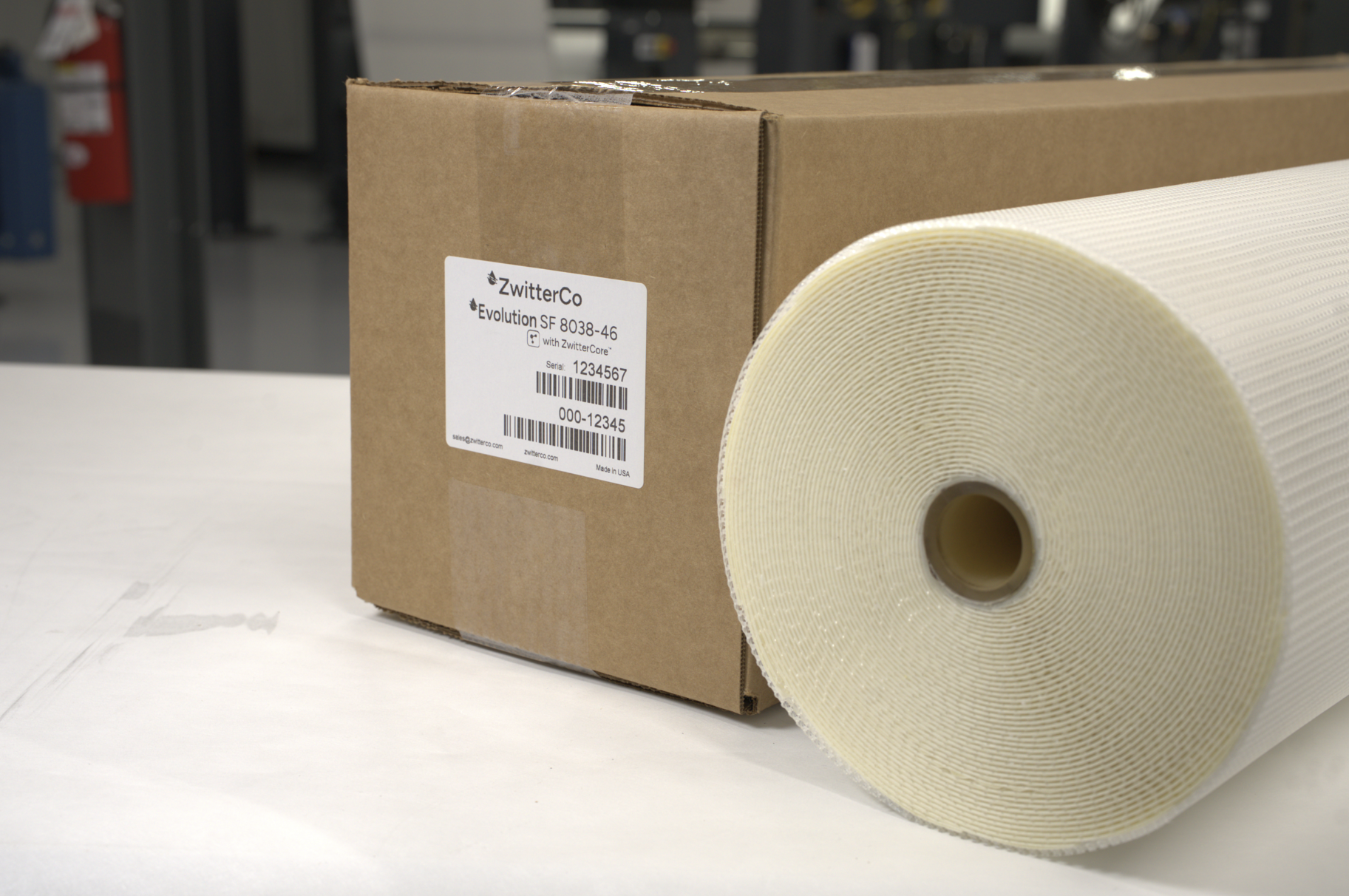
ZwitterCo Elevation membranes are designed to address the primary challenge RO systems face in landfill leachate: irreversible organic fouling.
Built with ZwitterShield™, these membranes permanently bond zwitterionic chemistry to existing membrane surfaces, forming a hydrated barrier that prevents organics from adhering. This changes how RO systems behave in leachate applications.
That translates to:
- Up to 90% reduction in cleaning costs through use of commodity chemicals
- Up to 80% fewer cleaning events, increasing uptime
- Full performance recovery after cleaning, supporting stable operation
- Operation with higher tolerance to COD, BOD, and oil & grease
These membranes are direct replacements for conventional RO elements, meaning they can be installed without modifying existing systems. In landfill leachate applications, that matters. Many facilities already have RO infrastructure in place but are limited by performance and operating cost.
What This Looks Like in Practice
In a landfill leachate installation in Europe, replacing conventional RO with ZwitterCo Elevation membranes resulted in:
- 96% reduction in cleaning chemical costs
- Stable membrane performance with full recovery after cleaning
- Elimination of formulated cleaners in favor of simple caustic and acid cleaning
Other installations have demonstrated:
- ~50% reduction in cleaning costs per cubic meter
- Reduced cleaning frequency and downtime
- Consistent permeate quality meeting reuse or discharge targets
These outcomes align directly with regulatory expectations in Italy and Spain: stable, predictable compliance without excessive operational burden.
Designing for Compliance – Not Just Capability
Regulations across Europe are moving in one direction: tighter discharge limits, more monitoring, and greater accountability. Meeting those requirements is no longer just about selecting the right process. It is about selecting technology that can sustain performance over time.
RO remains the most reliable method for achieving high-quality effluent from landfill leachate, but the economics and reliability of RO depend on how well it handles organics.
ZwitterCo membranes shift that balance by eliminating irreversible organic fouling at the source.
That allows operators to:
- Maintain consistent compliance with discharge limits
- Reduce chemical usage and operating costs
- Increase system uptime and simplify operations
For landfill operators in Italy, Spain, and across Europe, that is the difference between meeting regulations on paper and meeting them in practice.
If you’re evaluating how to meet landfill leachate discharge limits in Italy, Spain, or across Europe, ZwitterCo can help you assess your current system and identify a more reliable, cost-effective path to compliance.