In many membrane systems, the enzyme wash is treated as non-negotiable. It is often the longest step in a cleaning program and typically the most expensive from a chemical standpoint. It is also one of the biggest contributors to downtime, water use, and operational complexity.
When that step is removed, the impact is immediate and measurable.
The Enzyme Step Drives Cost and Complexity
A standard membrane cleaning program in dairy and food processing includes multiple chemical steps – alkaline, acid, sanitization, and often an enzyme wash. Once flushes are included, what looks like a simple sequence expands into a long, multi-step process.
Each step requires time to heat, circulate, and flush. Each step consumes chemicals and water. Each step generates wastewater that must be treated.
The enzyme wash stands out because it is both chemically intensive and time-consuming. In some systems, it represents a significant share of total cleaning chemical cost. In others, it dictates the overall duration of the cleaning program because of temperature and soak requirements.
Removing that step changes the structure of the entire cleaning program.
What Changes When the Enzyme Step Is Eliminated
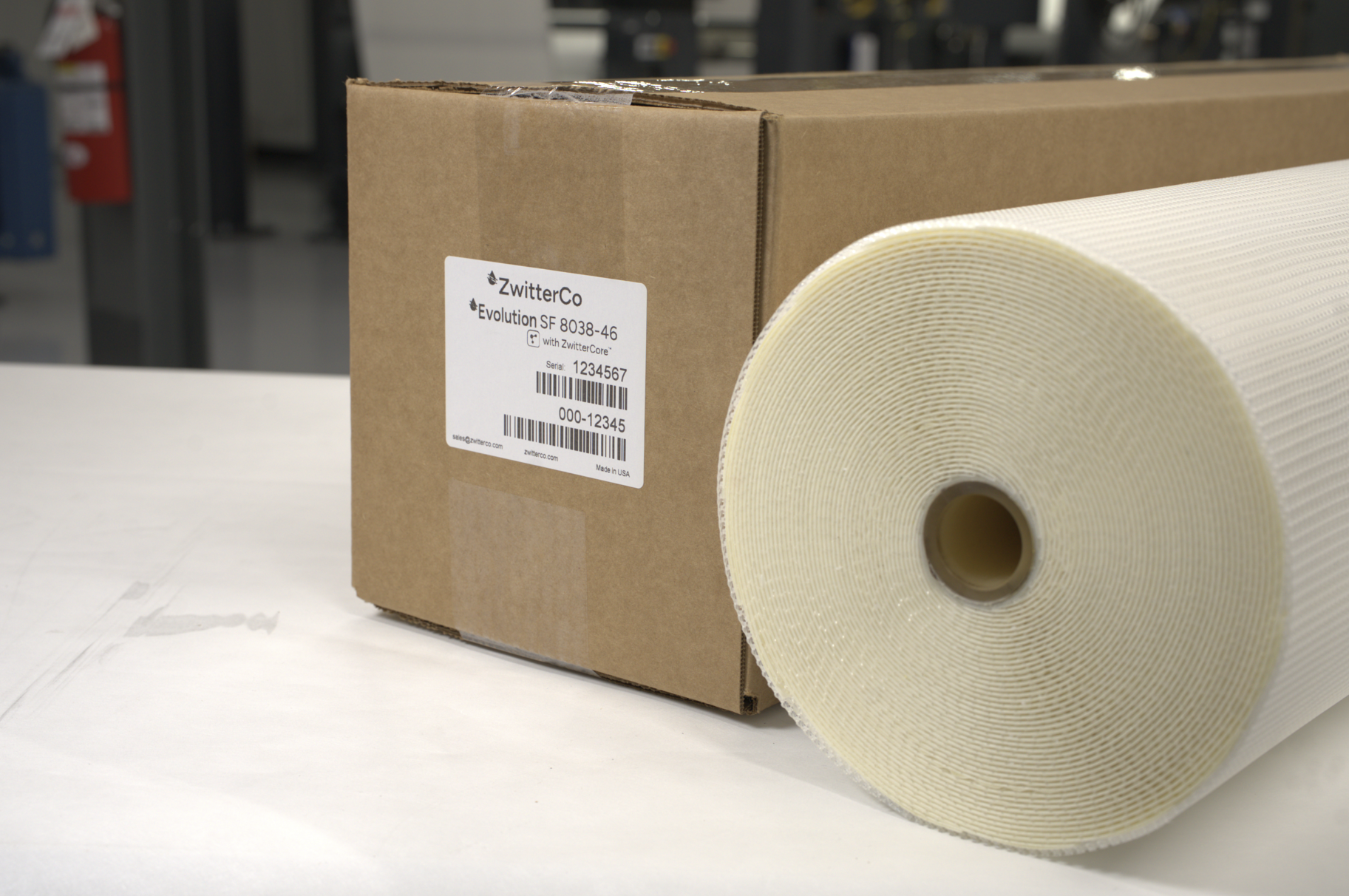
Field installations of Evolution membranes show that the enzyme step can be removed entirely in certain applications. In a whey processing effluent polishing system, Evolution RO membranes enabled the elimination of the enzyme cleaning step – the most expensive and longest step in the program.
That single change led to measurable operational improvements:
- Cleaning costs reduced by 57% overall
- Chemical usage reduced by 65%
- Water usage reduced by 36%, equivalent to nearly 1,000,000 gallons per year
These are not marginal gains. They reflect a structural shift in how the system is operated.

Economic modeling and field data across systems show similar trends. In one comparison, removing the enzyme wash and simplifying the cleaning program reduced total cleaning costs by more than 50%.
Time Is the First Constraint You Recover
Every cleaning step takes time. Heating solutions, circulating chemicals, and flushing the system all add up. Removing a single step can save an hour or more per day depending on system design and operating conditions.
That time goes back to production.
In continuous operations, this translates directly to increased throughput. In batch operations, it reduces bottlenecks between runs. In both cases, operators spend less time managing cleaning programs and more time focused on production and system stability.
Why This Is Possible with Zwitterionic Membranes
The ability to remove the enzyme step is tied to how the membrane surface interacts with organics.
ZwitterCo’s patented zwitterionic chemistry forms an extremely hydrophilic surface that actively repels organic foulants. By resisting organic fouling and minimizing gel layer formation, Evolution membranes maintain higher productivity and recover more easily during cleaning.
With less fouling accumulation, aggressive cleaning steps are no longer required to restore performance. Simpler chemical programs are sufficient.
This is why systems using Evolution membranes can operate with fewer cleaning steps while maintaining stable flux and permeate quality over time.
Operational Impact Beyond Cost
Cost reduction is the most visible outcome, but it is not the only one.
Eliminating the enzyme step simplifies the entire cleaning program:
- Fewer chemical transitions to manage
- Less variability in cleaning performance
- Reduced operator intervention
- Minimized cleaning solution disposal
In one dairy installation, operators stopped performing enzyme washes entirely after switching to Evolution RO, while maintaining stable pressure and consistent flux recovery.
In another system, removing daily enzyme washes reduced chemical usage, flush water demand, and operator workload while improving overall system stability.
These changes reduce the operational burden on the plant, not just the cost line item.
A Different Approach to Cleaning Programs
Most membrane systems are designed around the assumption that fouling will accumulate and must be aggressively removed. Cleaning programs are built to compensate for that limitation. Evolution membranes change that starting point.
By preventing organic fouling from strongly adhering to the membrane surface, they reduce the need for as intensive cleaning in the first place. That allows processors to rethink how their cleaning programs are structured.
Instead of layering on more chemistry and more steps, the focus shifts to maintaining performance with fewer interventions.
What This Means for Dairy and Food Processing
For dairy and food processing operations, where cleaning programs run daily and downtime directly affects production, the impact is significant.
Removing the enzyme step:
- Reduces total operating cost by over 50% in demonstrated systems
- Returns hours of production time each week
- Simplifies plant operations and reduces variability
- Lowers water, chemical, and wastewater treatment demand
It is a change that affects both the economics and the day-to-day operation of the plant.
If you are evaluating ways to reduce cleaning costs or simplify your membrane operation, Evolution membranes offer a direct replacement approach that can eliminate cleaning program steps – including enzymes – without requiring system modifications.