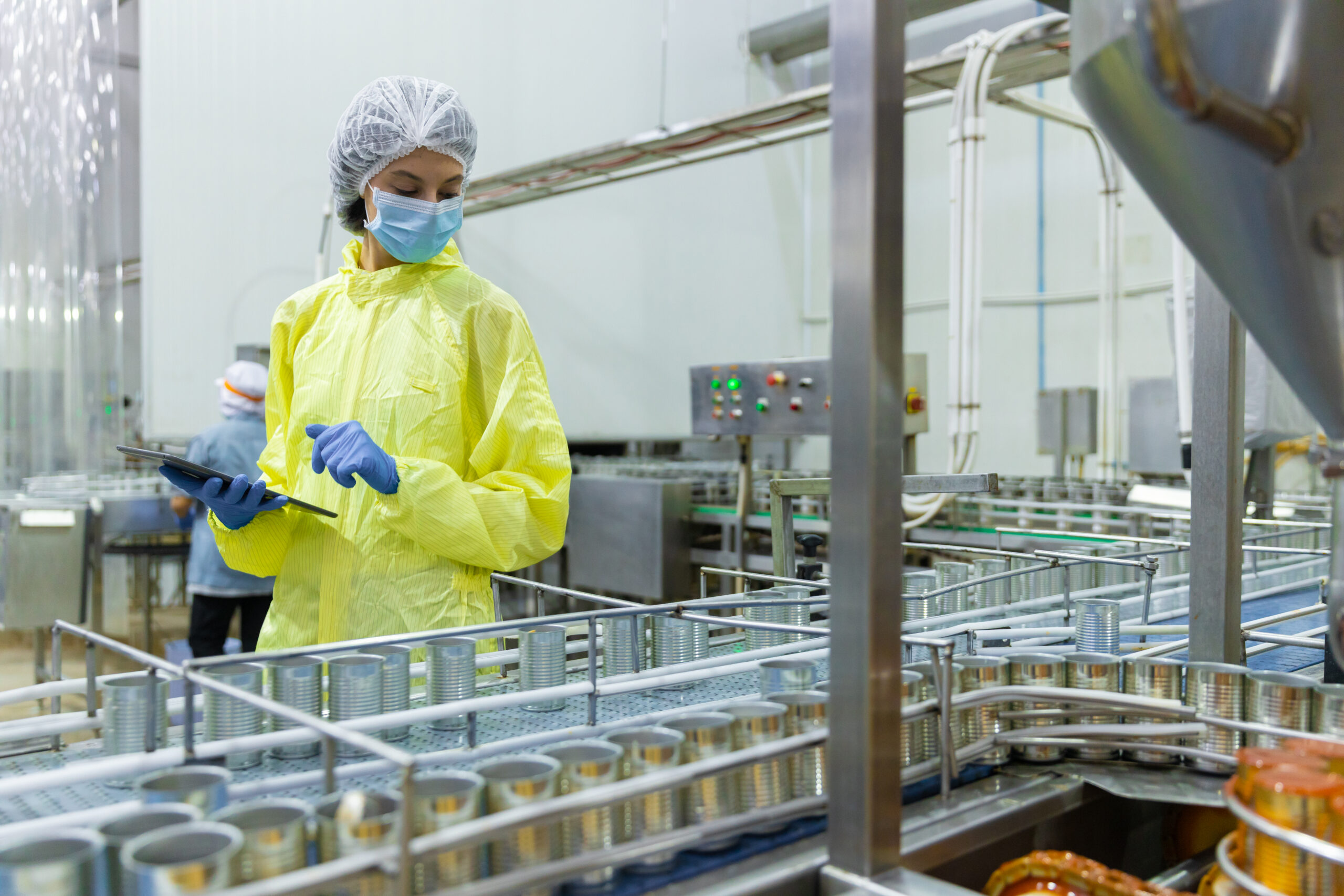
If you run a tomato, fruit, or vegetable processing plant in the US, you already know that campaign season and compliance season don’t run on the same clock. Production compresses into a short, intense window. Regulatory obligations don’t slow down to match it. And when the two overlap, the plant’s wastewater system is the piece of infrastructure that has to absorb the difference.

Under the Clean Water Act, EPA’s effluent guidelines for the canned and preserved fruit and vegetable category set technology-based limits on what a facility can discharge, and NPDES permits enforce those limits at the plant level. Those requirements aren’t new, and they aren’t going away. What makes them harder to meet during campaign is the nature of the wastewater itself.
Why campaign wastewater is a harder problem than off-season wastewater
Produce processing effluent isn’t just high-volume. It’s chemically demanding. Food and agricultural processing wastewater varies widely by commodity, but seasonality consistently adds complexity to treatment choices and operations across the industry. Fruit and vegetable canning wastewater in particular carries pulp residues, natural sugars, suspended solids, and organic acids, and biochemical oxygen demand (BOD) and chemical oxygen demand (COD) values for many food processing streams run into the thousands of milligrams per liter.
During a campaign, that load doesn’t arrive steadily. It moves depending on the hour, the commodity, and where a plant is in its processing day. High organic strength combined with real variability is exactly the profile that conventional ultrafiltration (UF) struggles to handle.
Here’s the mechanism, in practical terms: standard UF membranes foul when organic material sticks to the membrane surface and won’t fully release, even after cleaning. Under normal loads, that’s manageable with a regular cleaning program. Under peak campaign loads, fouling accelerates, cleaning cycles have to run more often, and the water quality reaching downstream reverse osmosis (RO) starts to degrade. That’s the failure mode that matters most, because it shows up exactly when a plant has the least room to absorb it: production is at its highest, and discharge or reuse requirements still have to be met.
A pretreatment system that’s marginal in the off-season doesn’t stay marginal during campaign. It becomes the bottleneck.
Water stress adds a second layer of pressure
Many of the country’s largest produce-processing regions, from California’s Central Valley to parts of the Midwest, already operate under real water-availability pressure in a typical year. That doesn’t remove the requirement to draw and discharge water responsibly during peak season. If anything, it raises the value of any system upgrade that reduces freshwater demand or improves the recovery rate on treated wastewater, since those improvements pay off twice: once on the compliance side, and once on the water-availability side.
Where fouling-resistant Superfiltration changes the equation
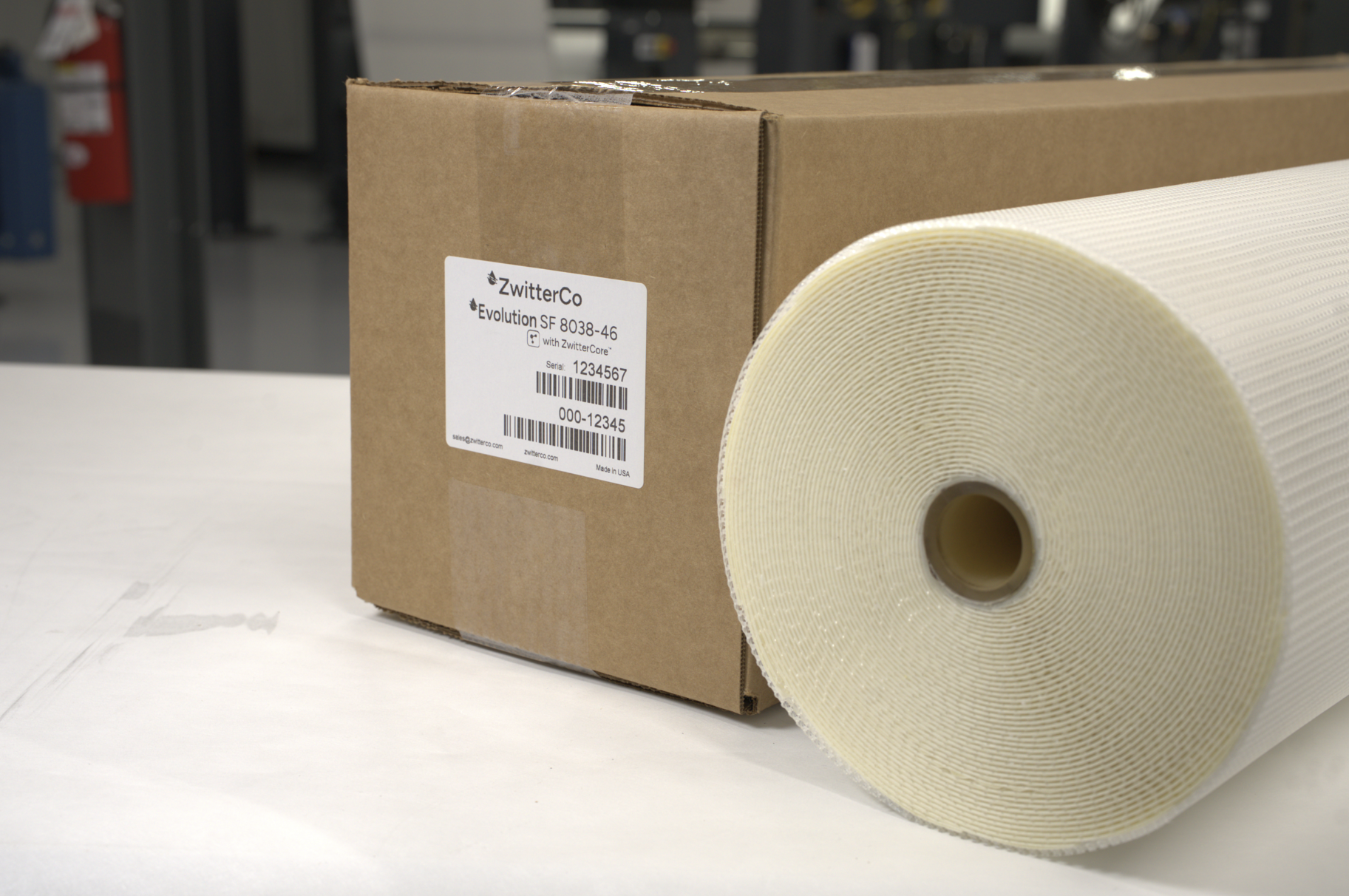
This is the specific problem ZwitterCo’s membranes and engineered systems were built to solve.
ZwitterCo’s Expedition SF (Superfiltration) membranes use zwitterionic copolymer chemistry that resists organic fouling at levels conventional UF can’t sustain. The membranes are designed to handle fats, oils, and grease up to 5%, along with other hard-to-treat organics, and to recover performance with a straightforward maintenance wash rather than degrading progressively over the course of a campaign.
The way SF sits in the separation spectrum matters here too. It falls between ultrafiltration and nanofiltration, delivering nanofiltration-like organic rejection while operating at ultrafiltration-like pressures. Because these membranes aren’t fighting the osmotic pressure of the wastewater the way tighter membranes do, they run at low energy and function as a robust pretreatment step ahead of RO rather than an additional point of failure. They’re also chemically resilient enough to tolerate chlorine-based cleaning, which matters when a plant needs a cleaning program that can keep pace with a compressed production schedule instead of competing with it for time.
Downstream, ZwitterCo Elevation RO membranes polish the effluent, removing dissolved organics such as TOC and COD to support reliable discharge compliance or enable water reuse, without the frequent cleanings or rapid performance decline typical of conventional RO systems.
For plants that need more than membrane elements alone, ZwitterCo Systems provide engineered wastewater treatment systems, including rental equipment and purpose-built, skidded or containerized installations, for facilities that want a fully integrated pretreatment and RO solution rather than a retrofit built piece by piece. These systems are backed by service and performance guarantees, which matters for a processor trying to plan around a fixed campaign window rather than an open-ended commissioning timeline.
For a seasonal produce processor, the practical upshot is steadier RO feed quality straight through the peak of the season, not a system that quietly degrades right as throughput and compliance exposure both hit their highest point.
Wastewater compliance for produce processors isn’t a future risk to plan around. It’s the operating reality every campaign. And it lands directly on top of a wastewater challenge that intensifies, rather than eases up, during the exact weeks when a plant’s production volume is at its peak. Facilities carrying an unresolved pretreatment gap into another campaign are compounding that exposure with every ton processed.
Want to know where your current pretreatment system stands before your next campaign ramps up? Contact ZwitterCo to evaluate your wastewater profile and identify any RO pretreatment gap before peak season arrives.