Whey protein concentrate (WPC) and whey protein isolate (WPI) are often compared based on nutrition labels, protein percentages, or consumer applications, but inside a dairy plant, the real difference comes from processing complexity.
Both products start from the same raw material: whey generated during cheese production. From there, membrane systems are used to separate, concentrate, and refine proteins while removing lactose, minerals, water, and fat. The further processors push protein concentration upward, the more membrane stages, cleaning requirements, and operational challenges enter the process.
WPC and WPI are fundamentally different from a processing standpoint because WPI requires significantly more separation work.
How WPC Is Processed
WPC production typically begins with blended skimmed whey that has already been pasteurized, clarified, and separated. The pretreated whey is then fed into ultrafiltration (UF) systems with multiple stages of membranes designed to concentrate protein.
In WPC35 manufacturing, the goal is to reach a final protein concentration of 35%. The UF membranes retain proteins while allowing smaller components like lactose and minerals to pass through into the permeate stream. The retentate stream is then dried into WPC powder.
WPC80, which targets a final protein concentration of 80%, follows a similar structure but requires more concentration and additional refinement steps. Diafiltration is often added throughout the process to wash out smaller non-target components and increase protein concentration further. Tighter membrane elements are commonly used toward the back-end of the system to continue driving protein levels higher.
Even at the WPC stage, fouling becomes a major operational issue. Conventional polyethersulfone (PES) UF membranes naturally accumulate organics as a gel layer on the membrane surface. That gel layer impedes flux and makes membranes harder to clean over time.
As concentration increases, solids become more difficult to move through the system. Operators often compensate with longer cleaning programs, more aggressive chemistry, and additional downtime between production runs.
How WPI Processing Becomes More Complex
WPI manufacturing builds on the same starting process as WPC but adds several more membrane operations to push protein content to at least 90%.
The process usually starts with a first UF system that concentrates whey proteins. After that, the whey protein concentrate stream moves into microfiltration (MF), which targets fat removal. Following MF, the permeate is fed into a second UF system to further increase protein concentration. Many plants then add a separate nanofiltration (NF) system to maximize protein content even further.
Diafiltration is used throughout these stages to wash out smaller components and increase protein retention. Ultimately, the final NF retentate stream is dried into WPI powder.
From an operational perspective, WPI processing introduces several additional challenges:
- More membrane stages
- Higher solids concentrations
- More opportunities for fouling
- More cleaning cycles
- Greater pressure on uptime and productivity
The final concentration systems in WPI processing are especially difficult because the streams become increasingly concentrated and viscous. At high solids, membrane performance becomes heavily influenced by gel layer formation at the membrane surface.
This is why membrane cleanability becomes such a critical issue in WPI production.
Why Membrane Selection Matters
In conventional whey processing systems, cleaning programs can become surprisingly long once all flushes and intermediate steps are counted. A “four-step” cleaning program may actually involve 11 or more total steps when water flushes are included.
Every cleaning step adds:
- Chemical usage
- Water demand
- Wastewater generation
- Energy consumption
- Downtime
As processors push toward higher protein concentrations, these operational penalties grow.
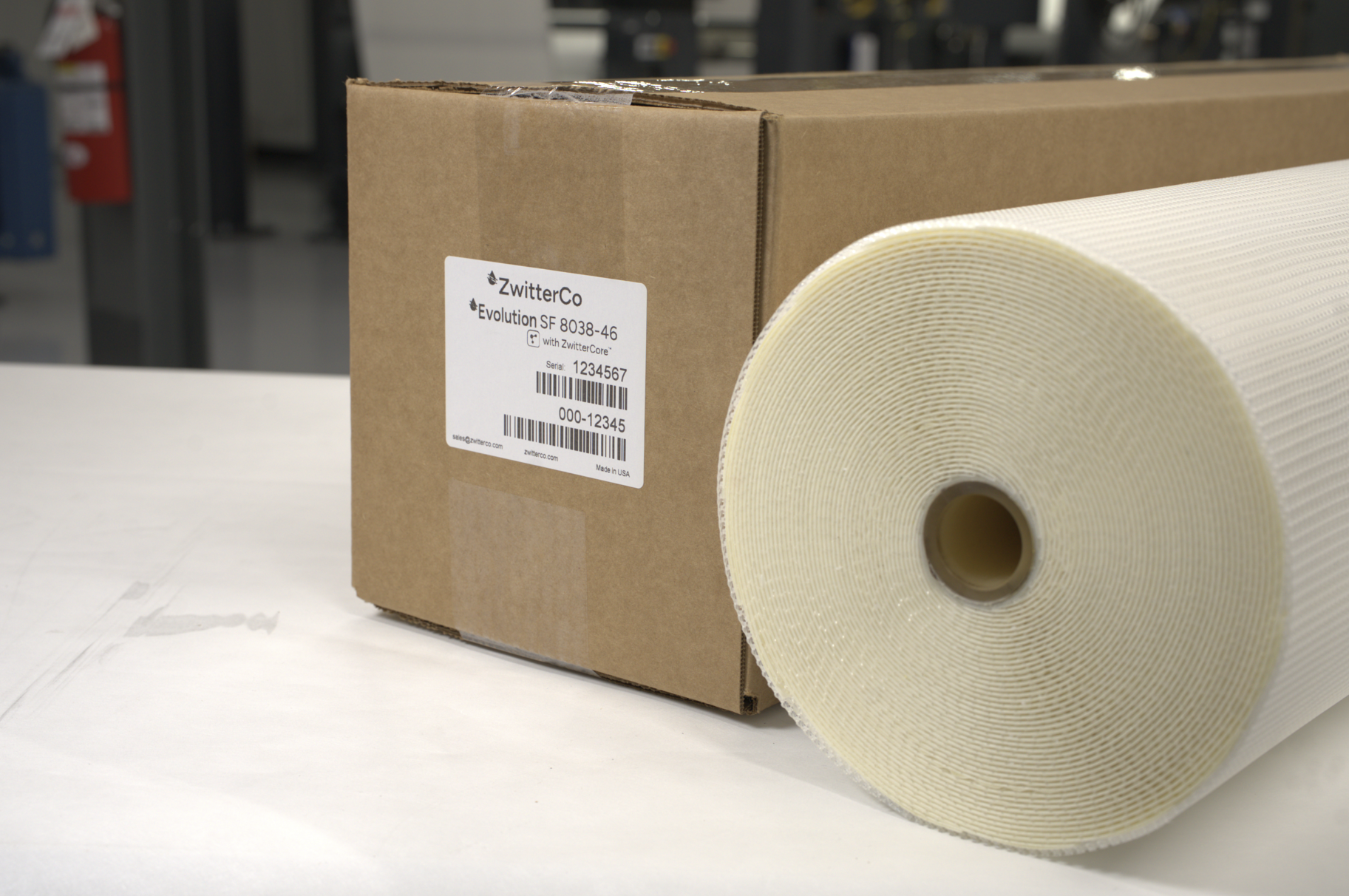
This is where anti-fouling membrane chemistry is becoming increasingly important in dairy processing. ZwitterCo Evolution membranes use a patented zwitterionic chemistry that forms an extremely hydrophilic surface while actively repelling organic foulants. By resisting organic fouling and minimizing gel layer formation, Evolution membranes maintain higher sustainable operating flux and recover more easily during cleaning. The result is fewer cleaning steps, shorter cleaning programs, and more time spent producing.
In WPC35 operation, Evolution PCM demonstrated higher flux rates than conventional 5 kDa and 10 kDa PES membranes, while Evolution SF maintained a flatter flux curve at higher concentrations. No true protein loss was observed.

In WPI processing, Evolution SF membranes operating in parallel with conventional PES UF membranes demonstrated higher operating flux at retentate solids of 28–29% with no noted difference in permeate.
The implications are operational as much as technical. Higher sustainable flux means processors can maintain production more consistently at elevated solids without spending as much time recovering membrane performance.
WPC and WPI Are Really About Separation Intensity
The biggest processing difference between WPC and WPI is not simply protein percentage. It is how aggressively the whey stream must be refined to remove lactose, fat, and other smaller components.
WPC production relies heavily on UF concentration and can include NF and diafiltration depending on protein content targets. WPI production layers multiple membrane technologies together — UF, MF, NF, and diafiltration — to push protein concentration even further. Each added step increases complexity inside the plant.
As dairy processors continue expanding production of high-protein ingredients, membrane systems increasingly determine overall productivity. Sustainable flux, cleaning time, fouling resistance, and recovery after cleaning directly impact how efficiently those systems operate day after day.
To learn more about Evolution membranes for whey protein concentration and whey protein isolate processing, contact ZwitterCo.