For most industrial facilities, water has always been treated as a fixed input – something permitted, metered, and rarely reconsidered once the paperwork was filed. That assumption is breaking down across water-stressed regions of North America, and the facilities most exposed are the ones that never built a reuse strategy in the first place.
Allocations are being reopened, not just enforced
This isn’t a single new law. It’s a pattern showing up basin by basin, state by state, as regulators respond to sustained drought and long-term depletion rather than waiting for the next crisis to force their hand.
In Kansas, Groundwater Management District 3 has proposed cutting pumping in part of the Ogallala Aquifer region by 5% a year for the next two decades – a roughly 27.7% reduction over that period, aimed at stabilizing an aquifer that has been drawn down for generations. It’s a multi-decade drawdown plan, and it signals a shift from responding to shortages after the fact to managing allocations proactively, before the resource runs out.
Washington state issued a drought declaration for every watershed in the state in April 2026 – the fourth consecutive drought declaration under the framework the state has used since 1989, itself a record. In the Yakima Basin, junior water rights holders are being curtailed earlier in the season than in past years, following a strict seniority system where the most recently established rights are cut first to protect older ones.
Texas offers a sharper preview of what happens when that pressure compounds. Corpus Christi has been under its most severe mandatory drought restrictions since December 2024, and city models were projecting a possible water emergency by September 2026, a point at which the water supply could be just months from running out. Local reporting on the city’s contingency planning noted that the largest industrial users, including refineries, would likely be first in line to lose water access if conditions worsen further – a reminder that industrial water use is often the first flexible allocation regulators and utilities look to when the math stops working.
California’s State Water Board has operated a formal curtailment structure for years, one where the most junior water rights are restricted first whenever a watershed can’t support every permitted use. It’s a well-established example of where every other water-stressed basin is headed as pressure builds: less discretion, more structured priority, and less patience for permit holders who haven’t shown they’re managing demand.
The common thread: necessity, not mandate
None of this is being driven by a single federal reuse mandate. It’s being driven by hydrology and by an increasing number of regulators who are no longer willing to let permitted allocations outpace what the underlying supply can sustain. That distinction matters for how facilities should be thinking about the problem. Waiting for a mandate means waiting for a moment that keeps arriving basin by basin, on a timeline set by drought and depletion rather than by policy calendars.
Why this is harder for high-organic-load industrial wastewater
For food and beverage processors, dairy operations, and other producers of high-FOG, high-COD wastewater, the reuse conversation runs into a technical obstacle before it runs into a permitting one. Wastewater with high fat, oil, grease, and protein content fouls conventional membranes quickly, which means throughput drops, maintenance costs climb, and the continuous operation that a real closed-loop reuse system needs becomes difficult to sustain in practice.
That is often the real reason a facility doesn’t have a reuse strategy yet. It isn’t a lack of will – it’s that the wastewater streams these plants generate have historically defeated the systems built to treat them.
Where a systems approach changes the equation
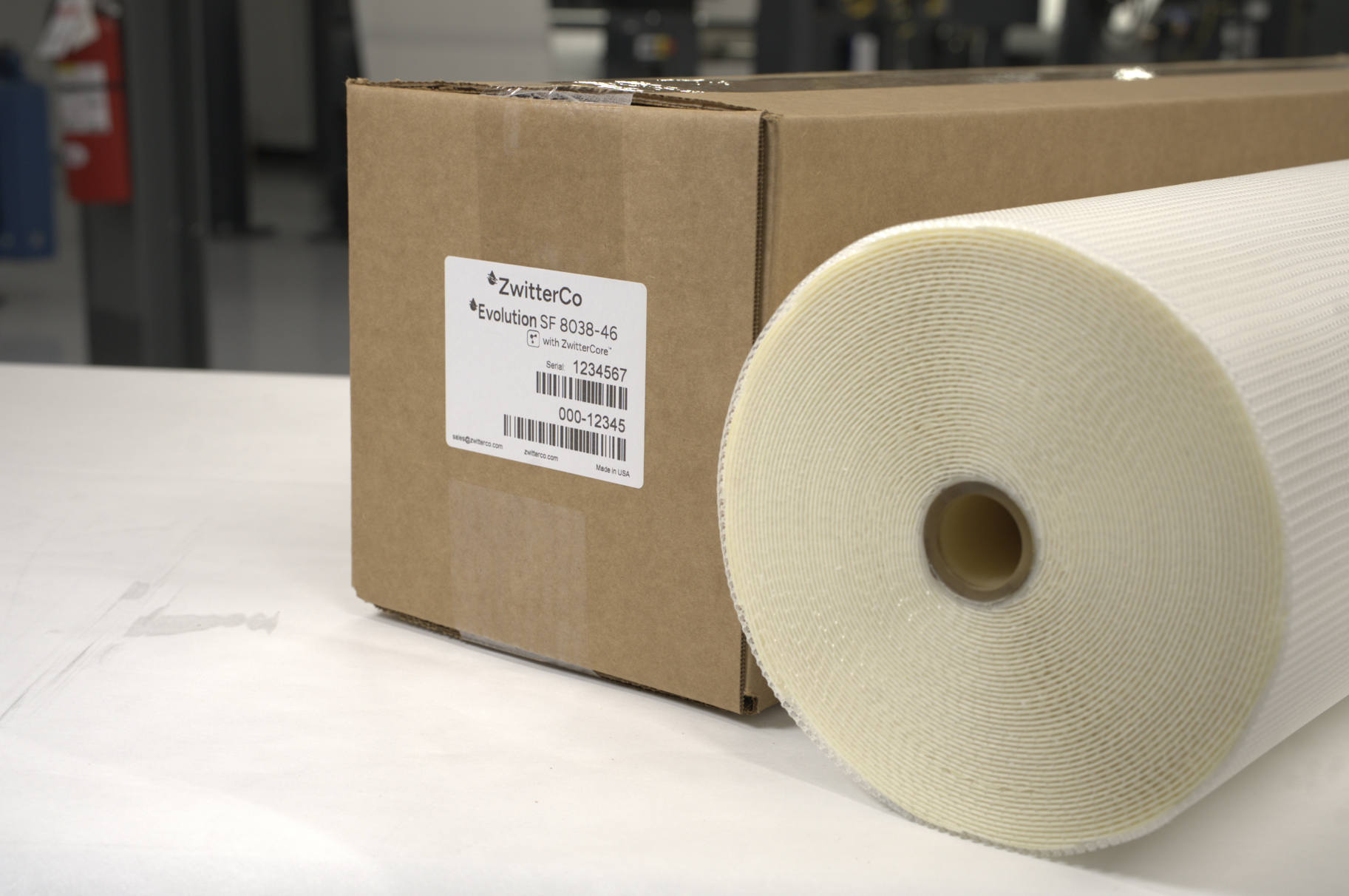
This is the problem ZwitterCo systems and membranes are built to solve. Zwitterionic chemistry resists the protein and organic fouling that defeats conventional membranes in high-FOG, high-COD wastewater, allowing the Superfiltration stage to hold consistent throughput even as feed characteristics shift. A packaged system – combining Superfiltration and Reverse Osmosis and configured to a facility’s own feed water quality, target flowrate, and recovery requirements – turns closed-loop reuse from an aspiration into an operating reality.
For a consulting engineer, that means a design built around actual feed water characterization rather than a generic pre-treatment assumption. For a plant operator, it means a system engineered to keep running under the fouling loads that have shut conventional treatment down in the past. For ownership and operations leadership, it means walking into the next allocation review or permit renewal with a demonstrated capability, rather than a plan still on the drawing board.
The review cycle won’t wait for readiness
Every example above points to the same direction of travel: tighter allocations, stricter curtailment priority, and less tolerance for permit holders who show up without a plan. Facilities that build reuse capability now are negotiating from a position of demonstrated performance. Facilities that wait are negotiating from the back of the line.