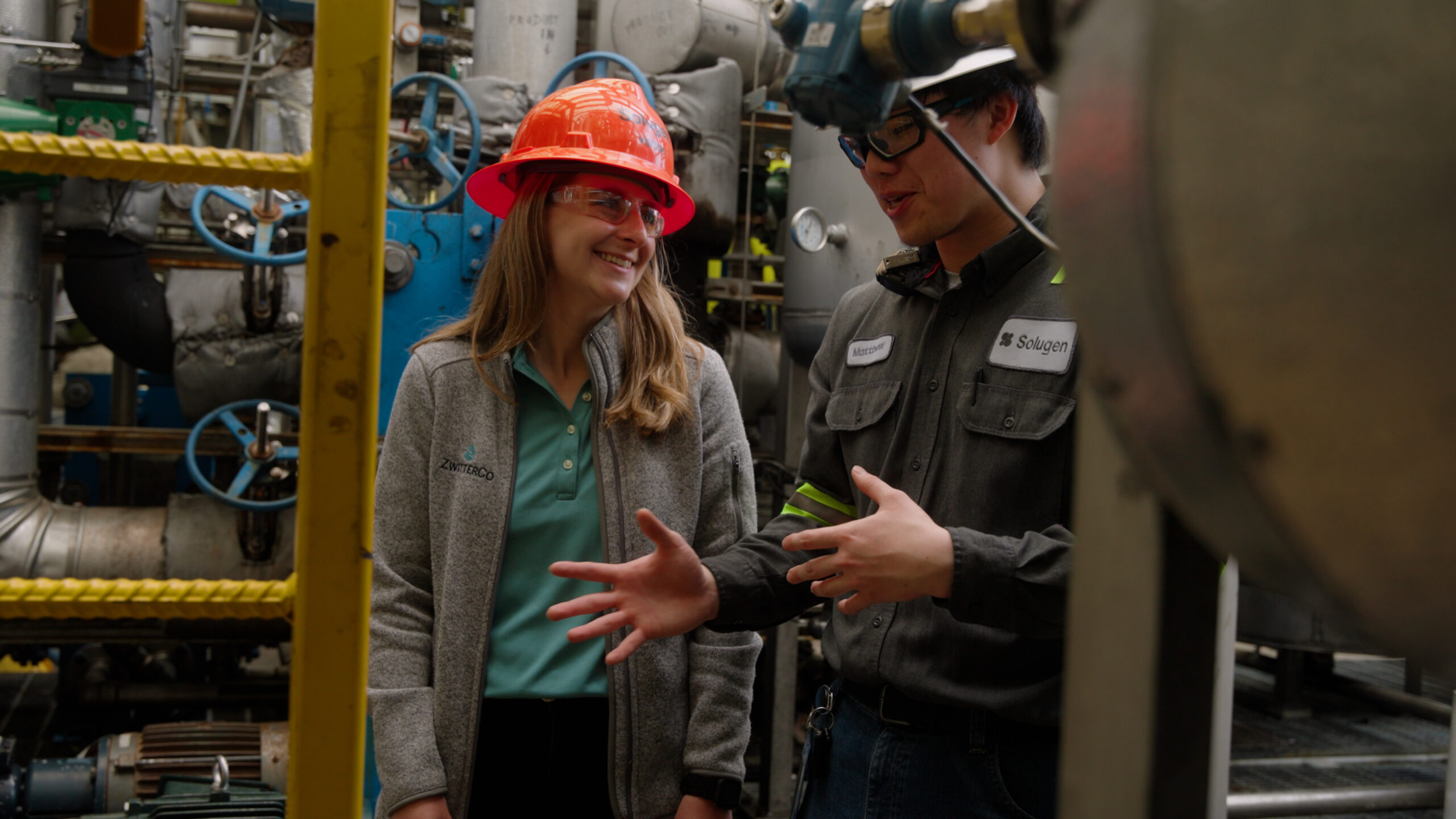
In this episode of ZwitterCo Unfiltered, Jon Goodman is joined by Scott Brown to recap the 100th annual Inter Mountain Milk Processors Association (IMPA) conference in Sun Valley, Idaho, covering the state of Evolution membrane installations, the protein trends dominating the conference floor, and what dairy economists are forecasting for the next several years.
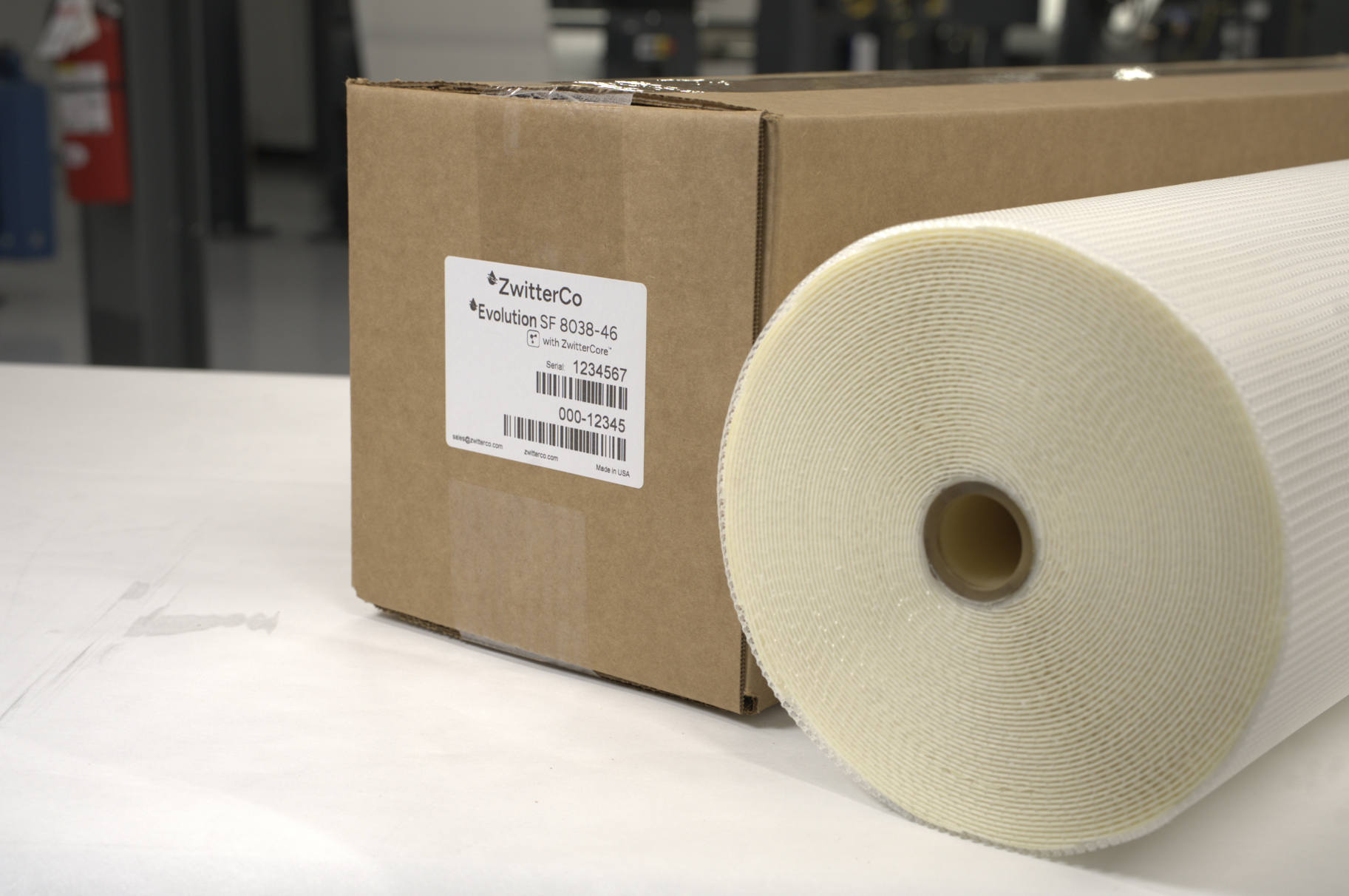
Jon Goodman and Scott Brown are back from IMPA’s 100th annual conference in Sun Valley, and this episode opens with a question the team hears constantly from customers: does ZwitterCo have Evolution membranes running in a given application? The honest answer is that the list keeps growing. ZwitterCo currently has seven full installations running Evolution membranes throughout the entire system in dairy plants, along with at least 15 active production demonstrations ranging from a single housing to multiple stages within a system. Anyone interested in seeing what that could look like in their own plant is encouraged to reach out to Jon or Scott, or to Leonid Semenihin for installations in Europe.

A Century-Old Conference, Still Centered on Community
IMPA marked its 100th anniversary this year, and both hosts pointed to the same thing that keeps them coming back: the tight-knit relationships across the Idaho, Utah, and Washington dairy community. Scott has attended every IMPA conference since 2011 and described the event as a chance to reconnect with people he’s worked alongside for years, including producers he’s known personally for a long time. The conference also included a documentary screening on the role of livestock in feeding a growing global population, presenting a range of perspectives on regenerative farming and protein production without landing on a single conclusion.
Protein Is Still the Headline
If there was one dominant theme at IMPA this year, it was protein. Melissa Altobelli of Circana opened the conference with consumer trend data that anchored much of the discussion that followed. She noted that roughly 15% of U.S. households currently use a GLP-1 product, with that figure expected to grow to as many as 55 million households by 2030. Separately, 41% of U.S. consumers say they want to consume more protein in their diet, a number unchanged from 2025, and that figure climbs to 51% among Gen Z consumers. Because a single GLP-1 user in a household tends to shift the diet of everyone else living there, Circana measures the trend at the household level rather than by individual.
That data raised a real question for the room: as more products launch with high-protein claims, will all of them stick? Dairy staples like yogurt, ultra-filtered milk, and protein shakes seem likely to keep growing, but it’s less clear whether categories like high-protein chips or high-protein soft drinks will hold consumer interest once the novelty wears off, or whether protein ends up as a genuine selling point versus table stakes.
The Economics Behind the Protein Boom
Daragh Maccabee, CEO of Idaho Milk Products, gave the conference’s other major update: the company’s $150 million ice cream plant is now up and running. Maccabee walked through IMP’s history, from its founding in 2005 and its first bag of protein produced in 2009 to its position today as one of the first companies in North America to scale MPC production.
The conference’s economics panel, featuring Corey Geiger of CoBank, Mike Brown of TC Jacobs Company, William Loux of the U.S. Dairy Export Council, and Sara Dorland of Ceres Dairy Risk, dug into where premium protein pricing goes from here. One panelist summed up the market dynamic simply: high prices solve high prices, and low prices solve low prices, a reminder that today’s tight supply is already drawing new investment into the category. The panel noted that 77% of U.S. whey is now converted into premium products like WPC80 and WPI90, compared to less than 50% in Europe, and pointed to roughly $11 billion in current dairy industry investment in North America, with additional expansion announcements starting to appear in Europe as well. The general expectation is that prices will stabilize somewhat, but few on the panel expect them to return to levels seen a few years ago.
Talk to ZwitterCo About Your Application
If you’re evaluating where Evolution membranes could fit into your own protein recovery or production goals, reach out to ZwitterCo to talk through your specific application, or watch our most recent webinar to see several of these installations covered in depth.
Have a question you want us to cover in a future episode? Contact us today.