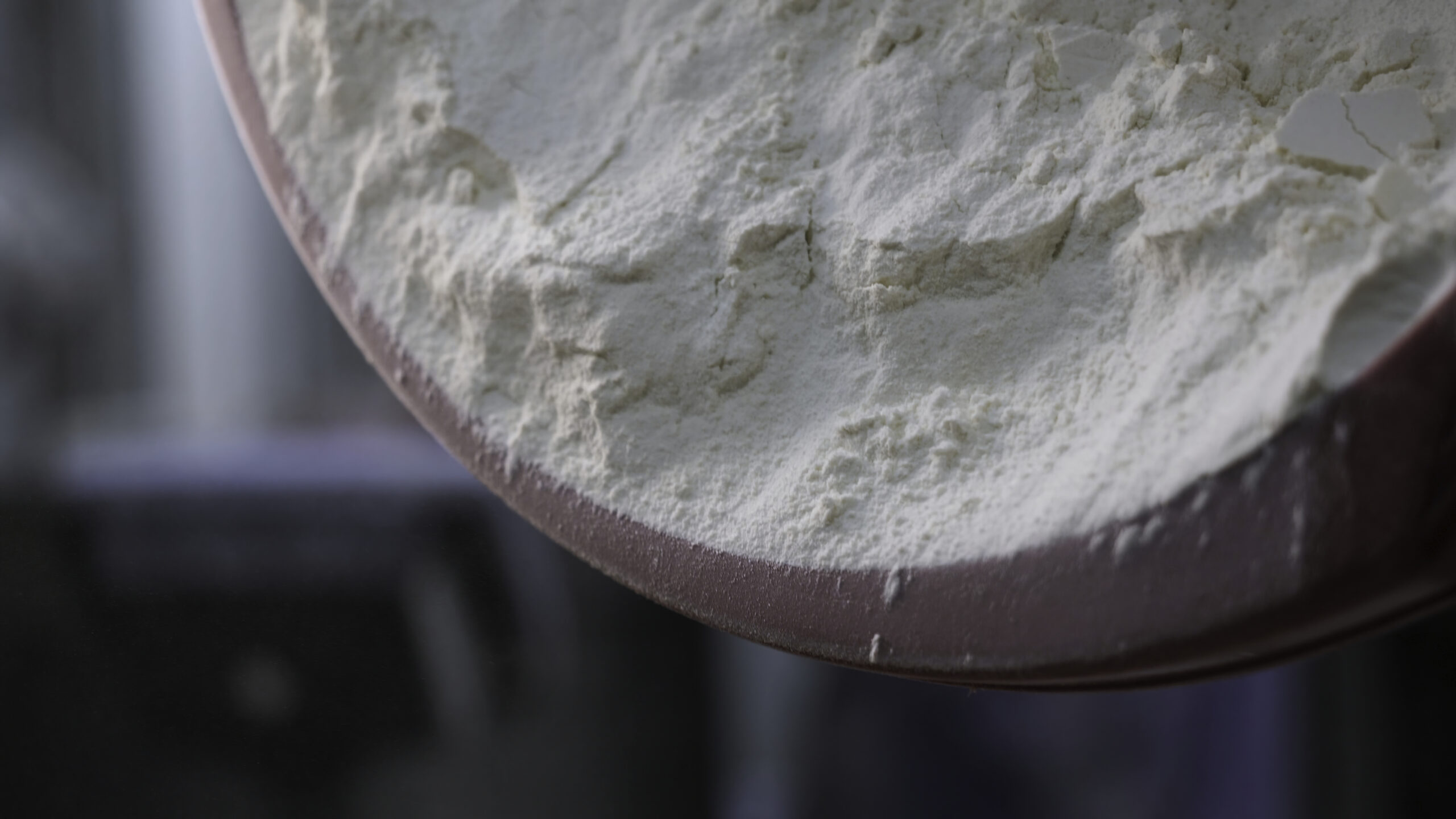
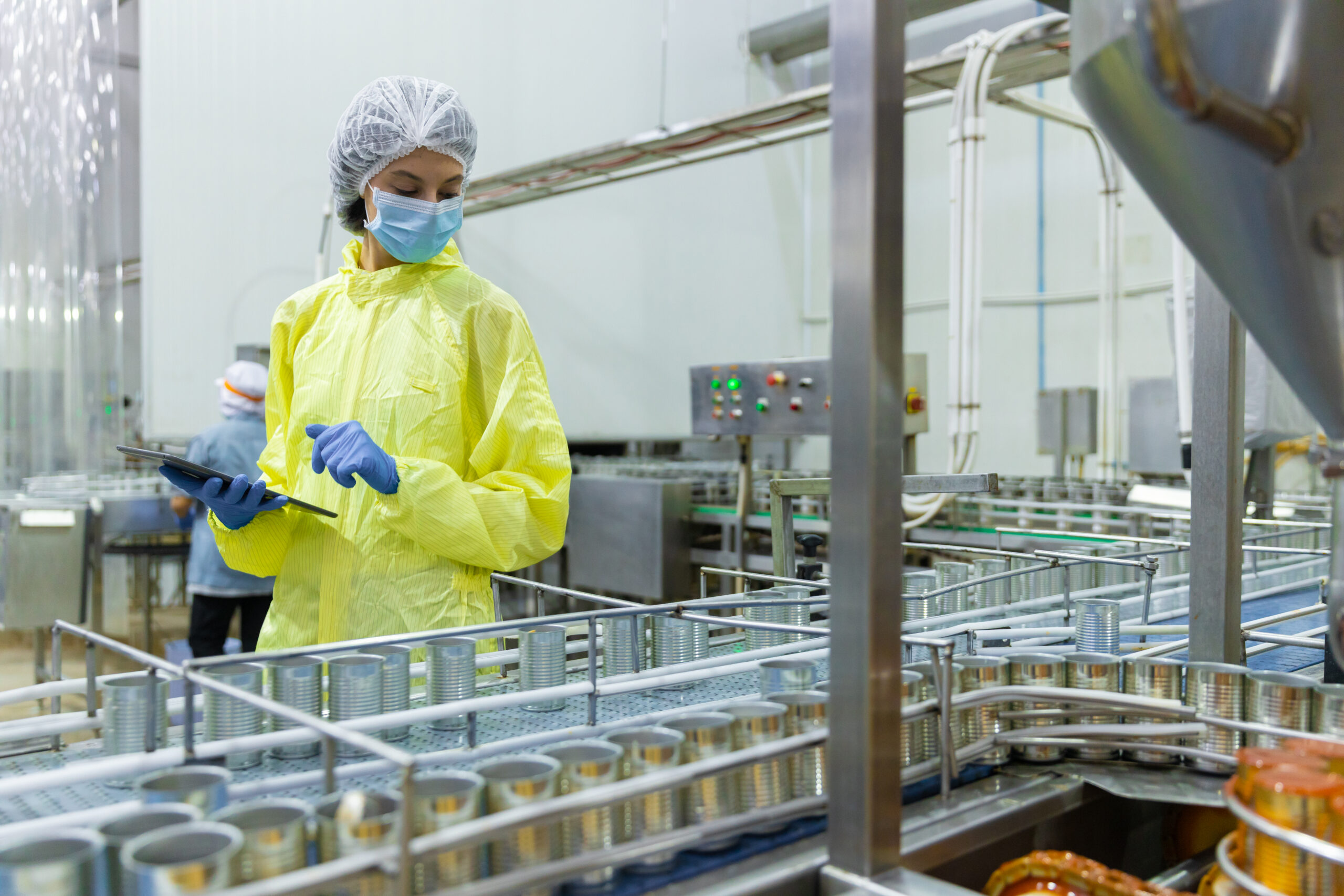
High-protein foods are no longer a niche category. Protein has become one of the main drivers shaping food manufacturing investment across dairy and food processing, beverage production, ingredient manufacturing, and biotech processing.
The rapid growth of GLP-1 medications has only accelerated that shift.
Consumers using GLP-1 drugs are increasingly prioritizing protein intake while reducing overall calorie consumption. Food manufacturers are responding with higher-protein yogurts, shakes, ready-to-drink beverages, bars, snacks, and fortified foods. At the same time, dairy processors continue expanding production of ingredients such as milk protein concentrate (MPC), milk protein isolate (MPI), whey protein concentrate (WPC), and whey protein isolate (WPI). None of this scale-up happens without membranes.
Modern protein manufacturing depends heavily on membrane filtration systems to separate, concentrate, and purify proteins efficiently while maintaining product quality. As protein demand rises, membrane performance increasingly determines plant productivity, operating cost, cleaning complexity, and overall system stability.
Why Protein Processing Depends on Membranes
In dairy and food processing, membranes are used throughout protein concentration operations. Ultrafiltration (UF) systems concentrate proteins while allowing water, lactose, minerals, and smaller compounds to pass through. Additional membrane stages such as nanofiltration (NF), and reverse osmosis (RO) can further refine and concentrate the product stream depending on the target ingredient.
This membrane infrastructure is what enables processors to produce products like:
- Whey protein concentrate (WPC)
- Whey protein isolate (WPI)
- Milk protein concentrate (MPC)
- Milk protein isolate (MPI)
- High-protein dairy beverages
- Protein ingredients for sports nutrition and functional foods
As protein demand increases, processors are pushing systems harder. Higher solids concentrations, longer run times, and tighter production schedules create more severe fouling conditions inside membrane systems. That is where membrane limitations become highly visible.
Fouling Becomes the Bottleneck
Protein streams are highly organic by nature. Proteins, fats, and other organics accumulate on membrane surfaces over time, creating a gel layer that reduces flux and increases resistance.
As fouling increases:
- Flux declines
- Cleaning programs become longer
- Chemical usage increases
- Systems spend more time offline
- Production capacity becomes constrained
In high-protein manufacturing, productivity is not only determined by how much protein a plant can produce. It is also determined by how often systems need to stop for cleaning and how reliably membranes recover afterward.
This is especially important in WPI and high-solids concentration applications, where membranes are operating under aggressive fouling conditions for extended periods.
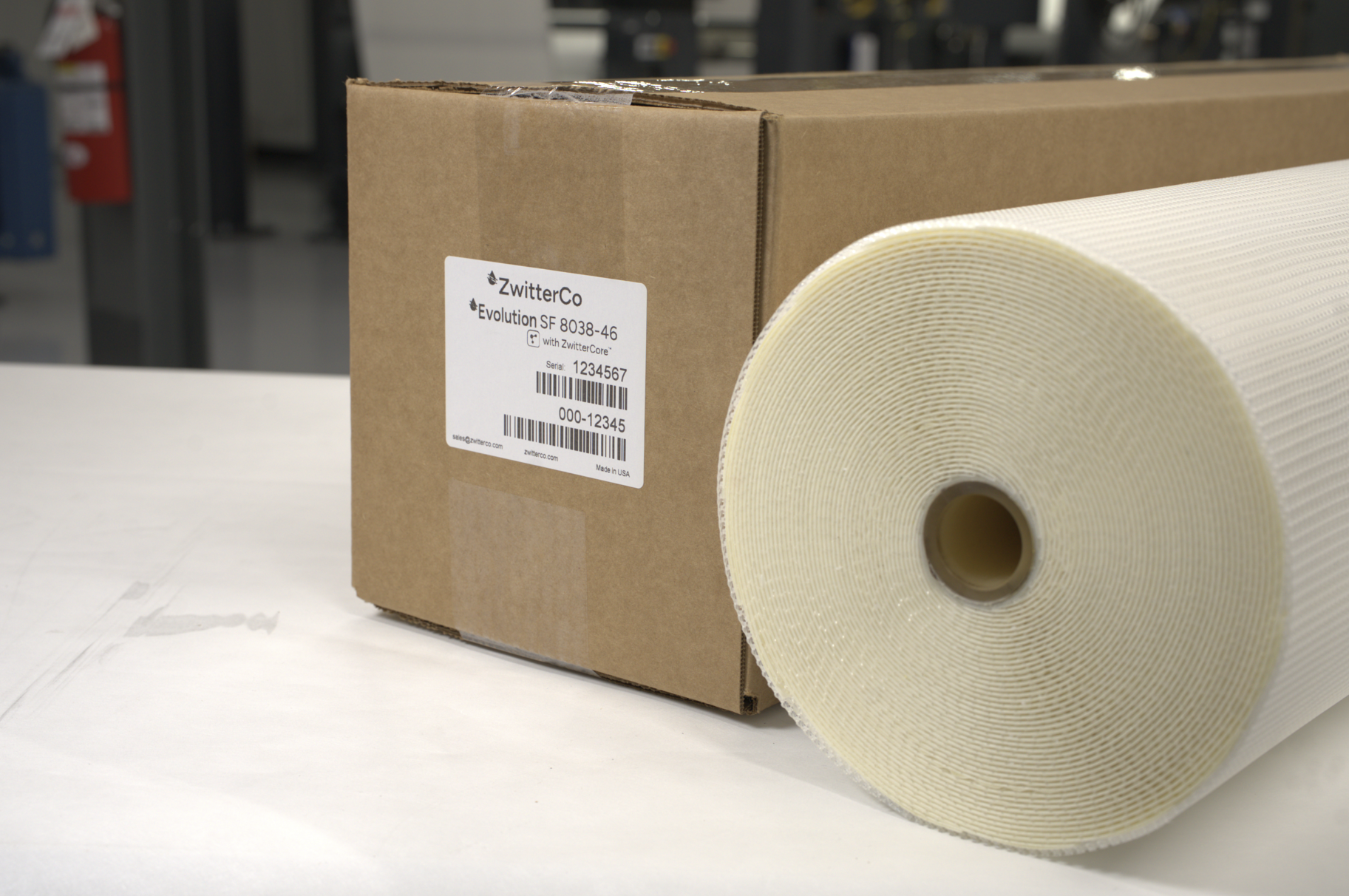
ZwitterCo Evolution membranes were developed specifically for these types of organic-heavy streams. Evolution membranes feature a proprietary anti-fouling chemistry that is extremely hydrophilic while actively displacing or repelling organic compounds so that they cannot adhere to and foul the membrane. By offering high resistance to organic fouling, these membranes minimize gel layer formation, resulting in higher productivity through shorter, faster cleaning programs and higher sustainable average flux.
Productivity Matters More Than Ever
The economics of protein manufacturing are changing alongside demand growth. When protein demand rises quickly, processors typically look for ways to increase throughput without immediately building new facilities. That means existing membrane systems are expected to run longer and more efficiently.
Small improvements in membrane productivity can create significant operational impact.
Evolution membranes have demonstrated the ability to simplify cleaning programs by removing one or more cleaning steps, including enzyme washes in certain applications. Economic analysis has shown that Evolution SF and PCM elements can save more than $1,300 per element per year in cleaning costs through reduced chemical, water, wastewater treatment, and downtime costs.
The time impact is equally important. Every cleaning step requires heating, flushing, recirculation, and operator attention. Removing even one cleaning step can save an hour or more per day. That additional production time becomes increasingly valuable as demand for protein ingredients continues to grow.
Higher Protein Production Creates More Stress on Systems
Many processors are also targeting higher concentration levels to improve downstream efficiency. For example, higher solids concentration before drying reduces the amount of water that must be removed thermally later in the process. This can reduce energy demand in drying operations while improving overall process efficiency.
However, pushing concentration systems harder also increases fouling pressure on membranes. Evolution SF membranes were designed for high-solids applications and for replacing conventional “tight-UF” and “open-NF” membranes. In field demonstrations running in parallel with conventional PES UF membranes during WPI processing, Evolution SF demonstrated higher operating flux with no noted difference in permeate at retentate solids of 28–29%.
Similarly, Evolution PCM membranes were designed to replace conventional 5–30 kDa UF membranes used in whey and milk protein concentration. Testing showed higher flux rates than conventional 5 kDa and 10 kDa PES membranes with no true protein loss noted.

As processors continue scaling protein production, membrane performance increasingly affects whether plants can maintain stable operations without adding cleaning burden, excessive downtime, or new infrastructure.
The Protein Boom Is Also a Membrane Story
The rise of high-protein foods often gets discussed from a consumer perspective: nutrition trends, fitness culture, or GLP-1-driven eating habits.
Behind the scenes, it is also a membrane processing story. Higher protein demand places greater stress on concentration systems, increases fouling pressure, and raises expectations for uptime and productivity. Membrane technology directly influences how efficiently processors can respond.
For dairy and food processing operations focused on protein production, membrane performance is no longer just a maintenance consideration. It has become a core operational and economic factor tied directly to throughput, cleaning complexity, operating cost, and long-term scalability.
To learn more about Evolution membranes for whey and milk protein concentration, contact ZwitterCo to speak with a technical expert.