Enzyme manufacturing depends heavily on downstream processing. After fermentation is complete, processors still need to isolate, concentrate, and purify the desired enzyme product before it can move to polishing or drying steps. That is where membranes become critical.
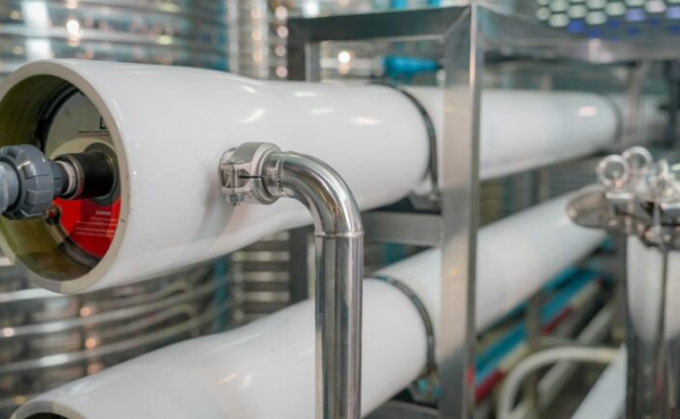
In many enzyme production systems, spiral-wound membranes are used to separate desired enzyme products from non-desired species while concentrating the stream for additional processing. Ultrafiltration (UF) and nanofiltration (NF) membranes are commonly selected based on the molecular weights of the species involved.
The challenge is that post-fermentation streams are highly organic by nature. Conventional membranes often struggle in these conditions, leading to fouling, unstable flux, difficult cleanings, and shorter membrane life. As membrane performance declines, productivity across the entire downstream process is affected.
For enzyme manufacturers operating continuous or large-scale fermentation systems, membrane productivity becomes directly tied to plant efficiency.
Why Fouling Creates Problems in Downstream Processing
In enzyme manufacturing, fouling does more than reduce flux. It creates operational instability throughout downstream processing systems. As organics accumulate at the membrane surface, gel layers begin to form. Conventional membranes can experience rapid fouling in these environments, especially during concentration steps. Over time, processors often see:
- Declining operating flux
- More frequent cleanings
- Longer cleaning programs
- Increased chemical and water usage
- More downtime between runs
Cleaning programs themselves also become more complex than they first appear. A “four-step” cleaning program can quickly turn into 10 or more steps once flushes are included. Every additional cleaning step requires chemicals, make-up water, wastewater treatment, pumping, recirculation, and operator time.
For biotech and enzyme manufacturers, that lost time matters. Every hour spent cleaning is an hour not spent producing.
Membranes Used for Enzyme Concentration and Purification
Following initial solids removal and pretreatment, membranes are commonly used to concentrate and purify enzyme streams during downstream processing.
Depending on the separation target, processors may use UF or NF membranes to:
- Concentrate enzymes
- Separate desired products from non-desired species
- Improve purification efficiency
- Prepare streams for polishing or drying
Conventional UF membranes often utilize polyethersulfone (PES) chemistry, while conventional NF membranes typically utilize piperazine polyamide chemistry. These membrane chemistries have remained largely unchanged for decades.
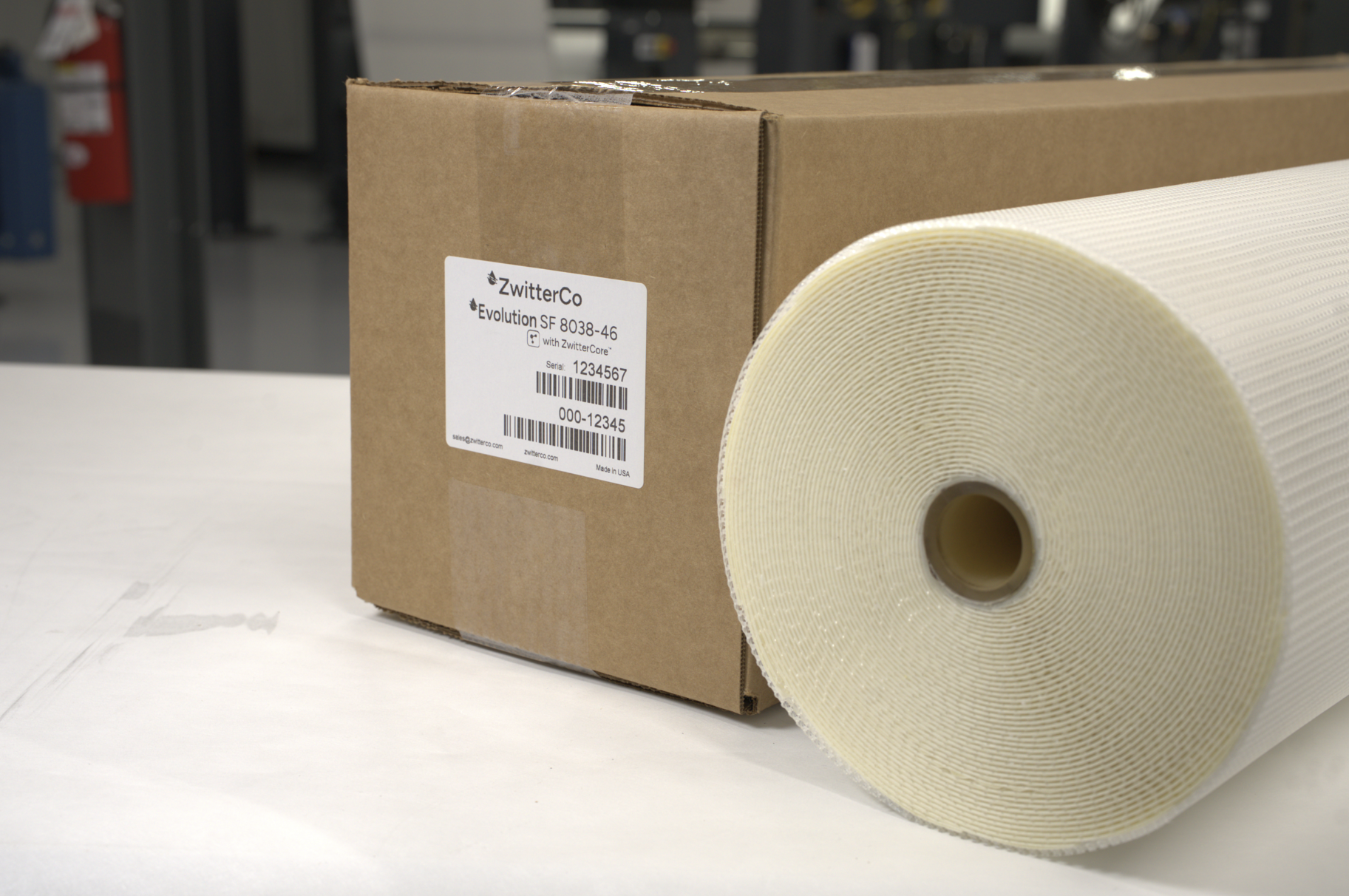
Evolution membranes were developed differently. They feature a patented zwitterionic chemistry designed to resist irreversible organic fouling in high-organic process streams.
How Zwitterionic Membranes Improve Enzyme Processing
Evolution membranes form an extremely hydrophilic surface that actively displaces or repels organic compounds so they cannot adhere to and foul the membrane.
By minimizing gel layer formation at the membrane surface, Evolution membranes maintain a higher sustainable average flux compared to conventional membranes. The membranes also recover more effectively during cleaning, even after concentrating streams that rapidly foul standard membranes.
For enzyme manufacturers, this can create several operational advantages:
- Higher sustainable operating flux
- More stable membrane operation
- Longer production runs
- Simpler cleaning programs
- Faster cleaning recovery
The result is more predictable downstream processing performance.
Evolution Protein Concentration Membrane (PCM) elements are designed to replace conventional 5–30 kDa UF membranes in concentration systems, including enzyme concentration applications. Evolution Superfiltration (SF) membranes are designed to replace conventional “tight-UF” and “open-NF” membranes in high-solids applications.
Because Evolution membranes are direct replacements for conventional membrane products, processors can implement them without system modifications.
Stable Flux Means Higher Productivity
In downstream processing, stable membrane performance is often just as important as peak membrane performance.
A membrane may begin with strong initial flux, but if fouling rapidly lowers operating flux, overall productivity suffers. Cleaning frequency increases, downtime grows, and systems become harder to operate predictably.
Evolution membranes are designed to operate at a more stable flux over time by resisting irreversible organic fouling. By minimizing fouling and maintaining cleanability, processors can achieve longer production runs before cleaning while maintaining more predictable system performance.
This has a direct impact on productivity. Higher sustainable average flux allows processors to produce more from existing equipment while reducing interruptions caused by membrane fouling.
Simpler cleaning programs also create measurable operational benefits. By removing cleaning steps, processors reduce chemical use, freshwater demand, wastewater generation, and cleaning-related downtime.
A More Predictable Approach to Downstream Processing
As enzyme manufacturing continues to scale across food, pharmaceutical, and industrial biotechnology applications, downstream processing efficiency becomes increasingly important.
Membranes are already central to concentration and purification operations, but membrane stability and cleanability often determine how efficiently those systems operate long-term.
By resisting organic fouling and minimizing gel layer formation, Evolution membranes help enzyme manufacturers maintain stable flux, simplify cleaning programs, and improve overall productivity in downstream processing systems.
For biotech manufacturers processing highly organic fermentation streams, membrane performance is no longer just about separation efficiency. It is about maintaining stable operation, reducing downtime, and creating a more predictable manufacturing process overall.
Contact us today to learn more about how Evolution membranes can assist your enzyme manufacturing process.