For decades, industrial facilities across the High Plains have treated groundwater access as a given. That assumption is no longer holding. Across the Ogallala Aquifer region – spanning parts of Texas, Kansas, Nebraska, Colorado, Oklahoma, New Mexico, Wyoming, and South Dakota – water management is shifting from a background utility concern to a front-and-center operational issue, and industrial users are increasingly caught in the same regulatory tightening that has traditionally targeted agriculture.
Water Management Is Changing Across the Ogallala Aquifer Region
The Ogallala Aquifer has been drawn down faster than it can recharge for years, and the consequences are no longer theoretical. Groundwater depletion is driving stricter groundwater management across the region, with state agencies and local groundwater conservation districts moving from voluntary guidance to enforceable limits.
States and local groundwater districts are implementing conservation measures and pumping reductions, including metered allocations, seasonal restrictions, and in some districts, moratoriums on new permits. These decisions are being made district by district, which means the rules governing a facility’s water access can change well before any statewide policy shift makes headlines.
For industrial operators, this matters in a way it didn’t a decade ago. Water availability is becoming a strategic operational constraint for industrial facilities, not just an agricultural issue. A processing plant, a manufacturing site, or a wastewater treatment operation drawing from the same aquifer as surrounding farmland is now subject to the same pressures – and the same scrutiny.
Why Industrial Facilities Should Act Now
Water availability directly affects production, expansion, and long-term operational resilience. When water access is constrained, every downstream decision is affected: how much a facility can produce, whether it can add a line or a shift, and how confidently it can plan capital investment five or ten years out.
Securing additional water rights is becoming more challenging in nearly every part of the region. Permitting processes are slower, allocations are smaller, and in some districts new appropriations simply aren’t available. Facilities that assumed they could expand their water footprint alongside their production footprint are finding that path narrower than expected.
As a result, water reuse is shifting from a sustainability initiative to an operational necessity. What was once framed as a corporate responsibility talking point is now a practical requirement for facilities that want to keep operating within their existing allocations, let alone grow.
Why Waiting Is Becoming the Biggest Risk
The pace of change is the part most facilities underestimate. Water policies are evolving faster than traditional infrastructure projects, and that mismatch is where risk concentrates.
Conventional treatment expansions often require significant engineering, civil works, and long implementation timelines – frequently 18 months or more once permitting, design, and construction are factored in. A district’s pumping restrictions or allocation review can move on a much shorter clock than that.
Facilities need solutions that can be deployed quickly to address immediate water challenges while supporting future growth. Waiting for a “someday” infrastructure overhaul means facing whatever the next allocation cycle brings without the tools to respond to it.
Where Water Reuse Creates Value
Water reuse isn’t a single fix – it’s a set of operational levers that compound over time:
- Reduce freshwater withdrawals, easing pressure on constrained groundwater allocations.
- Lower wastewater discharge volumes, reducing exposure to tightening discharge limits.
- Support production growth within existing water allocations, so expansion doesn’t require a new water right.
- Improve long-term water security and operational resilience, insulating operations from the next round of district-level restrictions.
Each of these has a direct line to the kind of capital and operating decisions facility managers are already making. Reuse doesn’t just defer a problem; it changes the facility’s water math altogether.
Where ZwitterCo Systems Fit
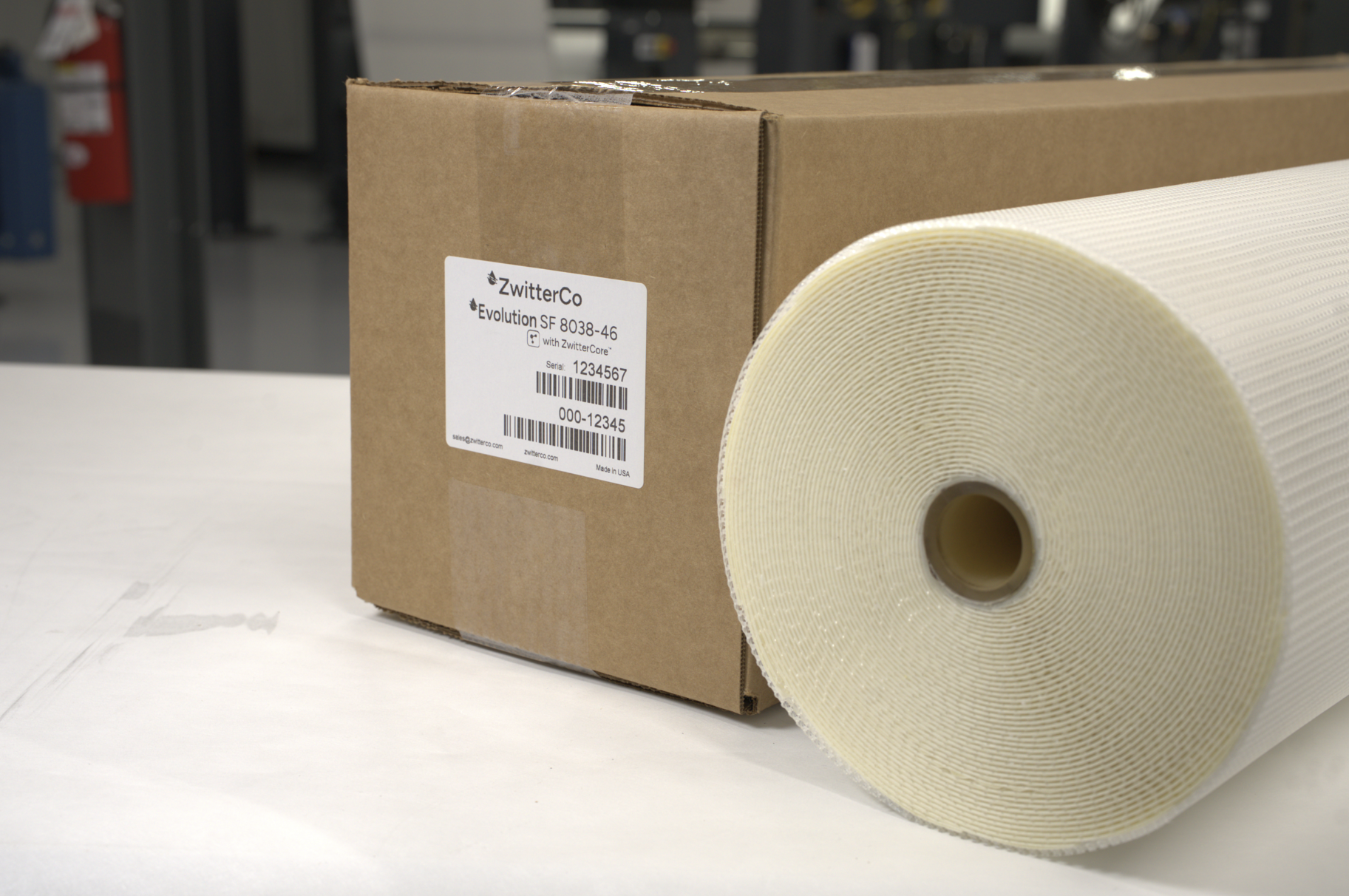
This is precisely the gap ZwitterCo Systems are built to close. They are modular membrane treatment systems designed for rapid deployment and industrial water treatment and recovery – built for facilities that need to act on a timeline measured in months, not years.
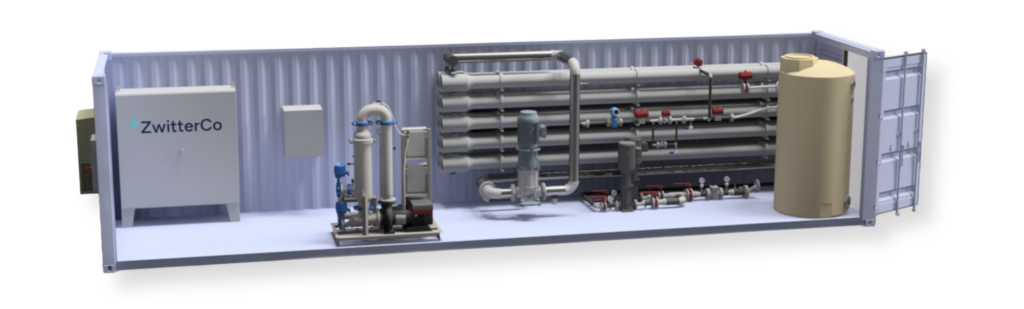 Unlike conventional treatment expansions, ZwitterCo Systems offer a compact footprint with minimal civil construction and easy integration into existing treatment infrastructure. That means a facility can add high-performing membrane treatment and recovery capacity without the extended engineering and construction timeline that a traditional plant expansion demands.
ZwitterCo Systems are engineered to treat high organics, high FOG and oily wastewater streams that are difficult to process with conventional treatment systems to support:
- Water reuse
- Reliable discharge compliance
- Reduced freshwater demand
- Lower lifecycle operating costs
- Scalable capacity for future expansion
For industrial water users across the Ogallala Aquifer region, the question is no longer whether water constraints will affect operations – it’s how quickly a facility can adapt when they do. ZwitterCo Systems and Membranes give facilities a way to respond now, on a timeline that matches the pace of the policy environment they’re operating in, while building toward the water security their long-term growth plans depend on.
Interested in how ZwitterCo Systems could support water reuse and discharge compliance at your facility? Get in touch with our team to discuss your site’s specific water treatment challenges.