Spain produces roughly 90% of the world’s olive oil, and its mills are now facing two overlapping EU compliance deadlines they cannot defer. The Industrial Emissions Directive (IED) recast has pushed member states to transpose stricter rules by July 1, 2026, and the Water Framework Directive is adding its own pressure on discharge and extraction permits. For most Spanish processors, the hardest part of meeting either one isn’t paperwork. It’s alpechin – the olive mill wastewater that conventional pre-treatment struggles to handle.
Why Olive Oil Mills Can’t Wait This Out
The IED covers olive oil processing and refining directly – it’s one of the named sectors in the Food, Drink and Milk (FDM) BAT Reference Document, with BAT conclusions adopted by the European Commission in 2019 (Commission Implementing Decision (EU) 2019/2031). Those BAT conclusions are the legal reference for permit conditions: once they’re in force, permits must reflect them, and facilities that can’t demonstrate compliance are subject to permit review.
The 2024 IED recast (Directive (EU) 2024/1785) tightens this further. It requires binding resource efficiency levels for water, energy, and materials, not just emissions limits, and member states had until July 1, 2026 to transpose it into national law. Non-compliance penalties under the revised directive are also more clearly defined: the text specifies that penalties for the most serious infringements should be at least 3% of an operator’s annual EU turnover.
The Water Framework Directive adds a second, related pressure. River basin management plans set the conditions under which Spain’s basin authorities issue extraction and discharge permits, and water-stressed basins are where those conditions get strictest first.
What Makes Alpechin Different
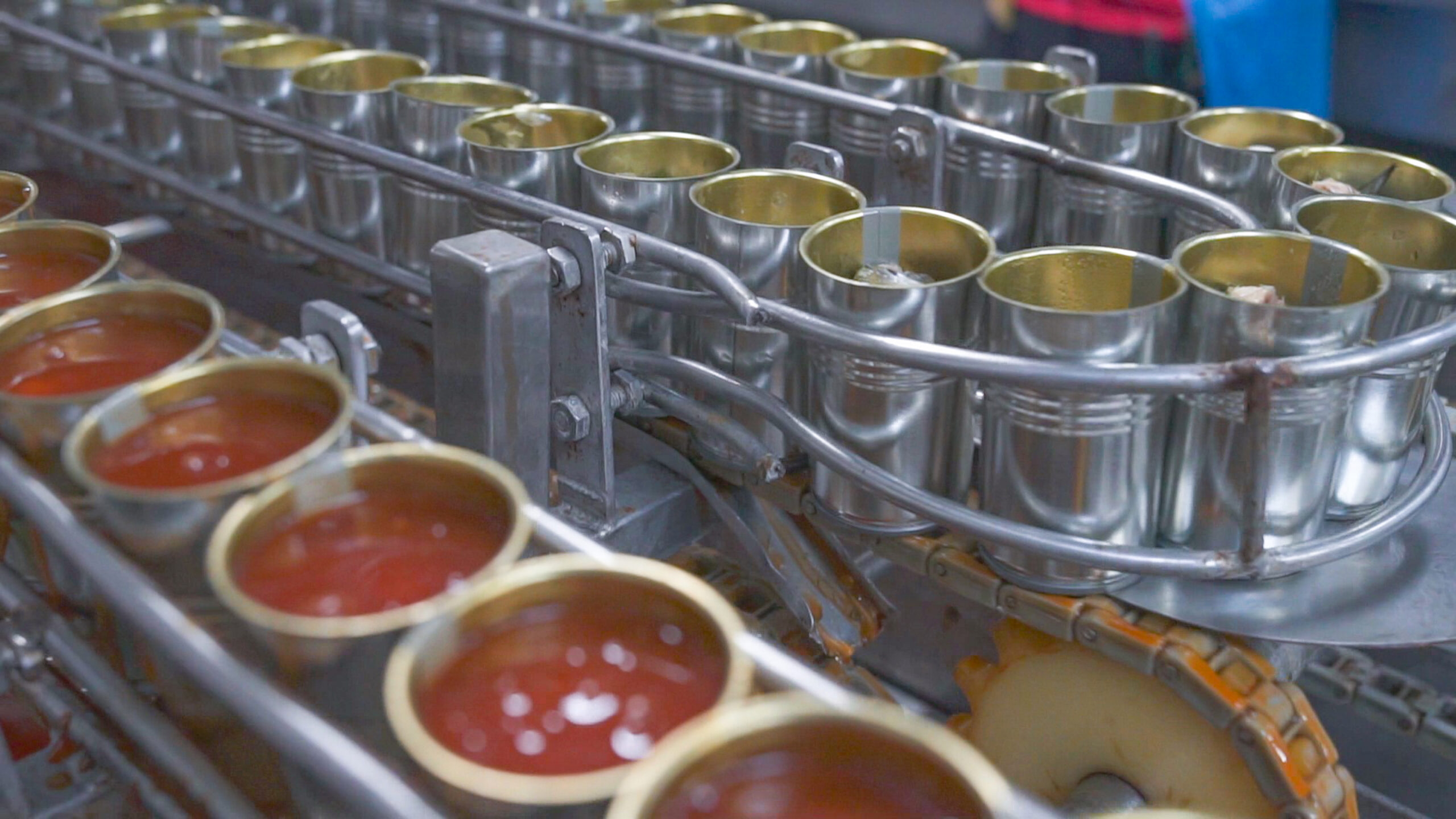
Alpechin is the liquid effluent left over from olive oil extraction, and it’s a genuinely difficult stream to treat. Published research on Spanish olive mill wastewater has measured phenolic concentrations in the range of 7–19 g GAE/kg in stored effluent, and the compounds involved – including hydroxytyrosol, tyrosol, and related phenolics – are known to be antimicrobial.
That’s useful in the olive itself; it’s a problem in a treatment plant, because it inhibits the microbial populations that biological wastewater treatment depends on. Combined with high COD loads, alpechin is one of the more aggressive waste streams in European agri-food processing.
Where Conventional Pre-Treatment Runs Into Trouble
Standard ultrafiltration membranes foul under high organic and phenolic load, and once pre-treatment underperforms, downstream reverse osmosis inherits a feed it wasn’t designed for. That’s a structural problem for compliance, because BAT-linked water recovery targets assume RO is getting consistent, well-conditioned feedwater. If pre-treatment breaks down every campaign, high recovery rates aren’t a design target anymore – they’re a moving one.
Where Superfiltration (SF) Fits
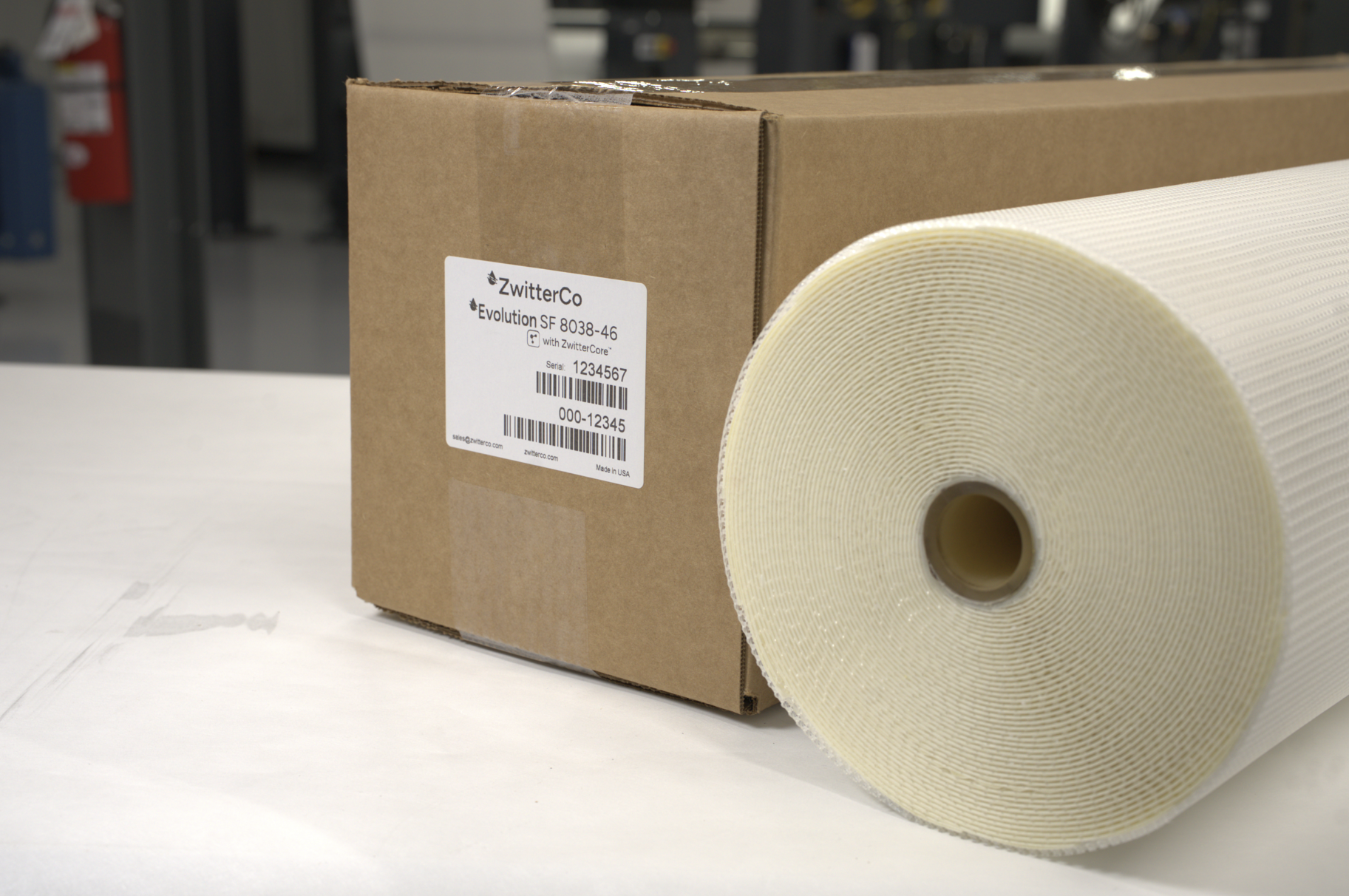
ZwitterCo’s Expedition SF membranes are built specifically for organics that overwhelm conventional filtration: they’re rated to handle FOG up to 5% and COD up to 10%, are chlorine-tolerant for cleaning, and are designed to support high-recovery outcomes including minimum and zero liquid discharge.

Alpechin’s high organic load and high FOG are exactly the kind of burden this membrane class is built around, and the fouling resistant zwitterionic chemistry behind it is designed to keep performing where standard UF fouls out.
The Season Doesn’t Wait
Olive oil campaigns run on a short, fixed calendar tied to the harvest, and mills don’t get to reschedule production around a pre-treatment fix. A facility that hasn’t resolved its pre-treatment gap before the next campaign starts is looking at another season of non-compliant discharge, and under the recast IED’s stiffer penalty framework, that’s a materially different risk than it was a few years ago.
Talk to ZwitterCo About Your Cleaning Program
If your facility is running out of runway before the next campaign, talk to ZwitterCo about whether Expedition SF membranes fit your specific wastewater profile – bring your COD, FOG, data and we’ll walk through what a pre-treatment upgrade would look like for your system.