For many industrial facilities in Mexico, wastewater treatment has historically been designed around compliance with discharge requirements established decades ago. That landscape is changing.
The implementation of NOM-001-SEMARNAT-2021 represents one of the most significant updates to Mexico’s wastewater discharge regulations in years. The revised standard expands monitoring requirements, introduces new parameters, and places greater emphasis on protecting sensitive receiving waters. For facilities that have relied on legacy treatment systems for years, maintaining compliance may require a closer look at both treatment performance and operational reliability.
The challenge is not simply meeting a new number on a permit. Many facilities are discovering that treatment systems originally designed for earlier discharge standards struggle when faced with tighter contaminant limits, variable wastewater composition, and increasing pressure to reduce water consumption.
What Changed Under NOM-001-SEMARNAT-2021?
NOM-001-SEMARNAT-2021 replaced the previous 1996 version of the regulation and established more comprehensive requirements for wastewater discharges into national waters and receiving bodies.
Among the most significant updates are:
- Expanded monitoring requirements for pollutants and contaminants
- More stringent controls on parameters including BOD, COD, nutrients, and certain heavy metals
- New classifications of receiving water bodies based on environmental sensitivity
- Additional focus on nitrogen and phosphorus management
- Broader applicability across industrial sectors
The revised regulation recognizes that not all receiving waters have the same environmental capacity. More sensitive water bodies require higher levels of protection, creating stronger treatment requirements for many industrial dischargers.
For facilities operating older treatment infrastructure, these changes can expose performance gaps that previously went unnoticed.
Why Legacy Treatment Systems Are Struggling
Many industrial wastewater treatment systems in Mexico were built around a relatively straightforward treatment train:
Screening → DAF → Biological Treatment → UF → RO → Discharge
While these systems can perform well under stable conditions, wastewater streams rarely remain stable.
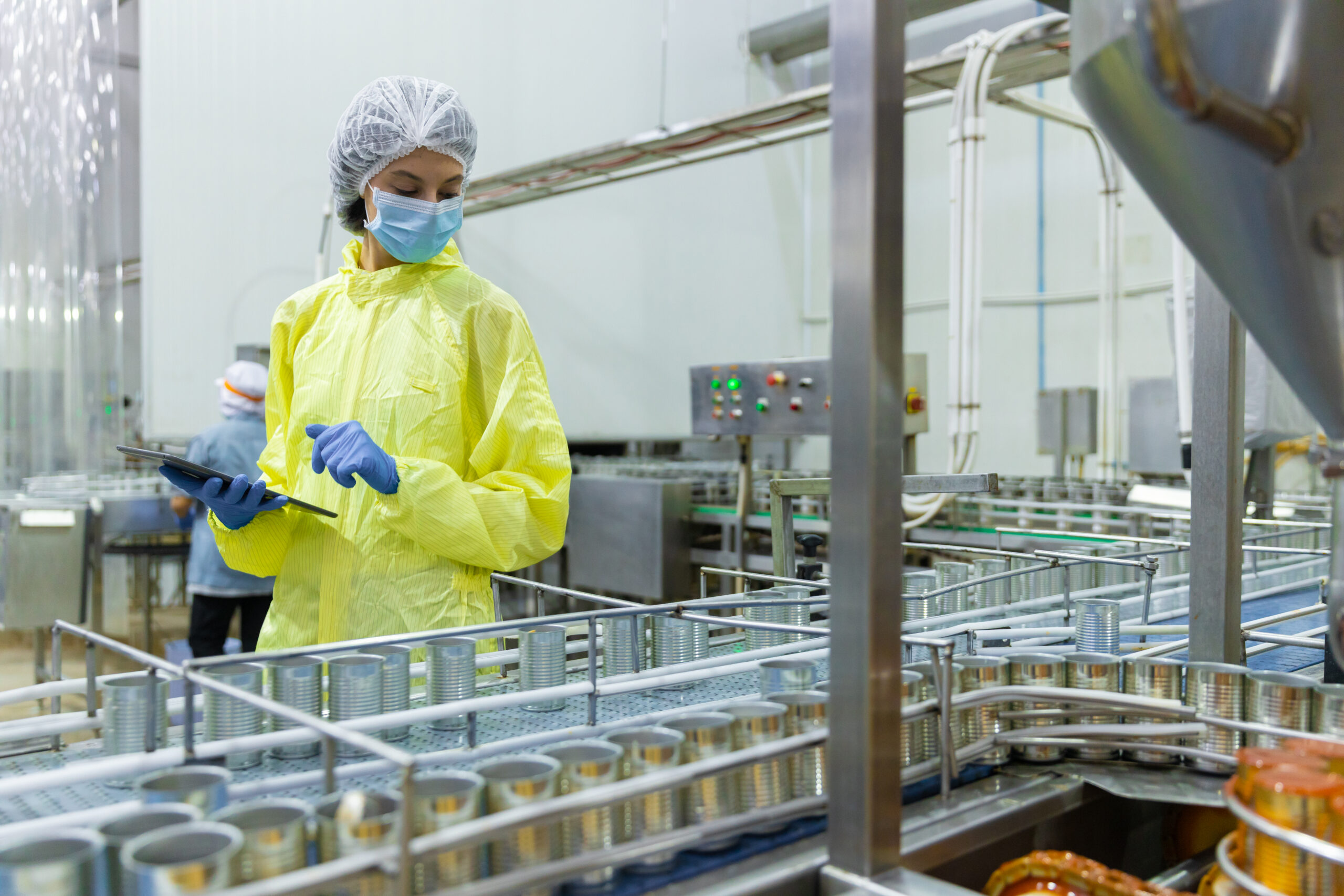
Food and beverage processors, breweries, distilleries, chemical manufacturers, and other industrial facilities routinely experience fluctuations in organic loading, suspended solids, fats, oils, grease, and process chemistry. As wastewater composition changes, membrane systems often become the bottleneck.
The result is a familiar cycle:
- Increasing membrane fouling
- More frequent cleanings
- Higher chemical consumption
- Reduced recovery rates
- Premature membrane replacement
- Rising operating costs
Many operators initially blame the RO system when performance declines. In reality, the root cause is often much further upstream.
The Fouling Problem Starts Before RO
Reverse osmosis membranes are extremely effective polishing tools, but they depend on consistent pretreatment.
When oils, proteins, colloidal material, suspended solids, and dissolved organics pass through upstream treatment processes, they eventually reach the RO system. Once there, they accumulate on membrane surfaces and reduce performance.
As fouling increases, operators typically see:
- Higher differential pressures
- Lower permeate flow
- Increased energy consumption
- More frequent CIP events
- Reduced membrane life
This pattern is particularly common in industrial wastewaters affected by organics.
In many facilities, the issue is not that the RO system is undersized or poorly designed. The issue is that conventional pretreatment technologies struggle to consistently remove the contaminants responsible for downstream fouling.
Fix the front end of the treatment train, and the entire system operates differently.
ZwitterCo Modular Systems
ZwitterCo Systems integrate Superfiltration (SF) and Reverse Osmosis (RO) into a single packaged solution – configured to match feed water quality, target flowrate, and permeate recovery requirements. The result is a treatment train engineered for high-FOG, high-COD industrial effluent streams where conventional UF and RO systems can’t sustain reliable operation.
Stage 1: Pre-filter
Ahead of the membrane system, a pre-filter removes large suspended solids upstream of Expedition SF. Whether this stage is needed, and what form it takes, depends on the specific project and feed water characteristics – but it’s part of ZwitterCo’s overall scope of supply where required.
Stage 2: Expedition SF – Superfiltration Built for Complex Streams
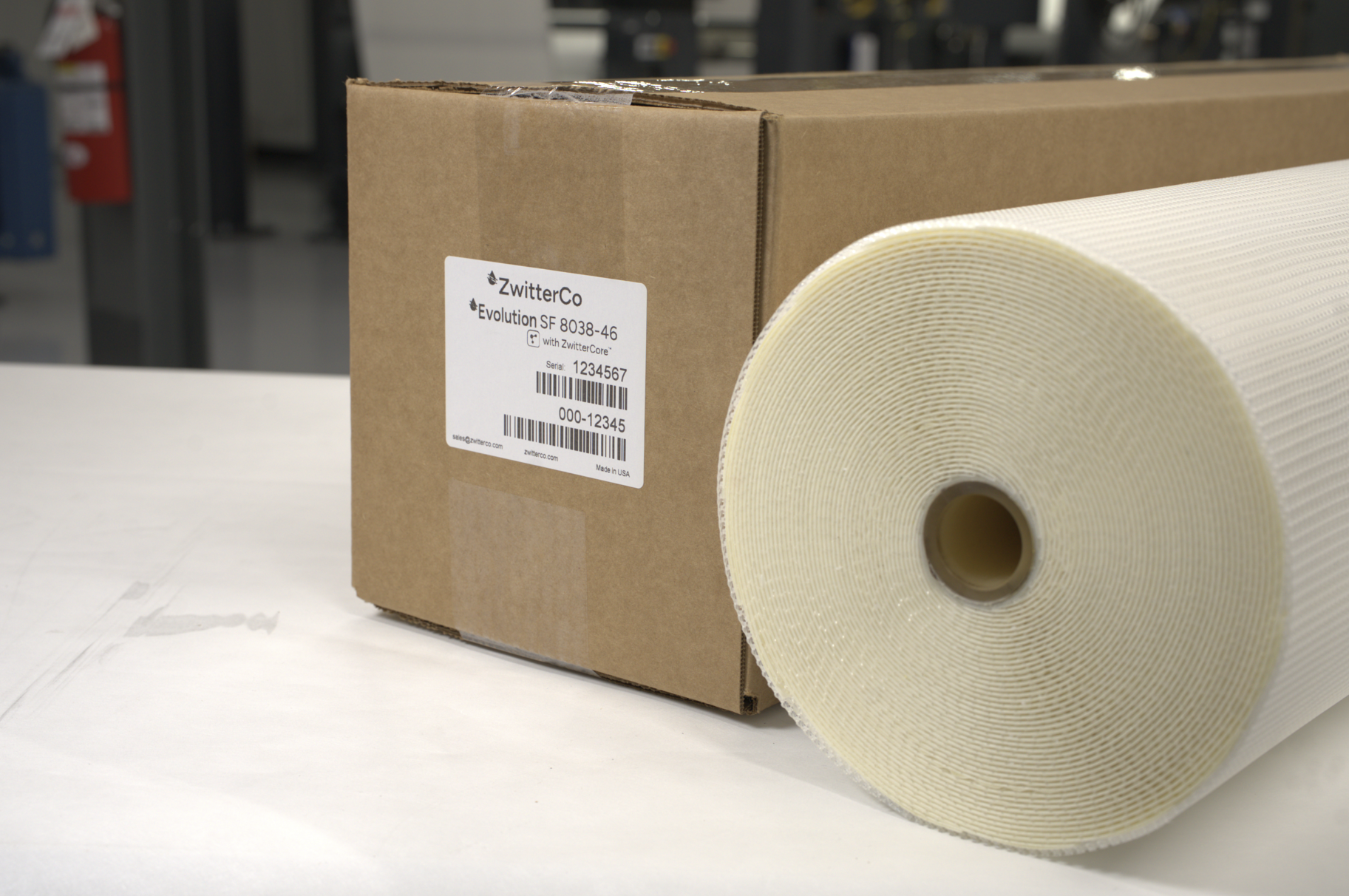
At the heart of every ZwitterCo System is Expedition SF, a superfiltration membrane built with ZwitterCore™ technology. Expedition SF is the ideal pre-treatment membrane for complex streams, removing FOG, turbidity, and macromolecular organic compounds before water reaches polishing technologies such as reverse osmosis.
Unlike conventional pretreatment approaches that struggle with highly variable organic loading, Expedition SF is engineered to handle up to 5% fats, oils, grease, proteins, and other organics while maintaining reliable operation – producing RO-feed quality water in a single step.
Stage 3: Elevation RO – Fouling Resistance Where RO Is Still Needed
Even with excellent pretreatment, many industrial wastewater applications still require RO to reach discharge or reuse targets – which is where membrane chemistry becomes critical.
ZwitterCo Elevation RO membranes are built with ZwitterShield™, a permanently bonded zwitterionic chemistry that creates a barrier to irreversible organic fouling. The technology enhances conventional RO membranes without requiring changes to existing equipment or operating principles, giving Elevation the industry’s highest feedwater tolerance for TOC, BOD, COD, and oil and grease. Elevation membranes are engineered as one-for-one replacements for conventional RO elements, delivering significantly greater fouling resistance in the same footprint.
One System, Compounding Benefits
By removing the contaminants most responsible for downstream fouling before RO ever sees them, and reinforcing RO itself against the organics that get through, ZwitterCo Systems deliver benefits that build on each other end to end:
- Higher system recovery
- Less membrane fouling
- Shorter, less frequent cleaning programs
- Ability to use generic, inexpensive cleaning chemicals
- Lower operating costs
- Longer membrane life
- Greater tolerance to wastewater variability
- More stable, reliable compliance performance
For facilities pursuing discharge compliance under NOM-001-SEMARNAT-2021, that consistency can matter as much as peak performance – a system that holds steady through variable feed conditions is often more valuable than one that only performs well on its best day.
ZwitterCo’s scope of supply spans all three stages – pre-filter, Superfiltration (SF), and Reverse Osmosis (RO) – configured project by project to match feed water quality, target flowrate, and permeate recovery requirements.
Compliance Is Only Part of the Business Case
Many facilities initially view wastewater upgrades as a compliance expense.
Increasingly, that perspective is changing.
As water scarcity grows across many regions of Mexico, industrial facilities are looking beyond discharge compliance and evaluating opportunities for water reuse.
A treatment system capable of consistently producing high-quality effluent can support:
- Reduced freshwater intake
- Lower wastewater disposal costs
- Increased operational resilience
- Water reuse initiatives
- Corporate sustainability objectives
The economics often extend well beyond avoiding regulatory penalties.
Facilities that can recover and reuse water gain access to a resource that becomes more valuable every year.
What Should Facilities Do Before Their Next Inspection?
The first step is understanding how current system performance compares to the requirements of NOM-001-SEMARNAT-2021.
A treatment gap assessment should evaluate:
- Current discharge quality versus permit requirements
- Variability in wastewater composition
- Cleaning frequency and membrane replacement history
- Recovery rates and concentrate management
- Opportunities for water reuse
For facilities experiencing frequent fouling, rising operating costs, or concerns about future compliance, evaluating advanced pretreatment technologies such as SF can be a practical starting point.
In many cases, improving RO performance begins long before water reaches the RO system.
NOM-001-SEMARNAT-2021 is raising expectations for industrial wastewater treatment across Mexico. Facilities that address fouling at its source and build more resilient treatment trains will be better positioned to achieve compliance, reduce operating costs, and unlock new opportunities for water reuse. To learn whether a SF and RO upgrade could help your facility meet discharge targets with greater confidence, contact ZwitterCo for a treatment evaluation.