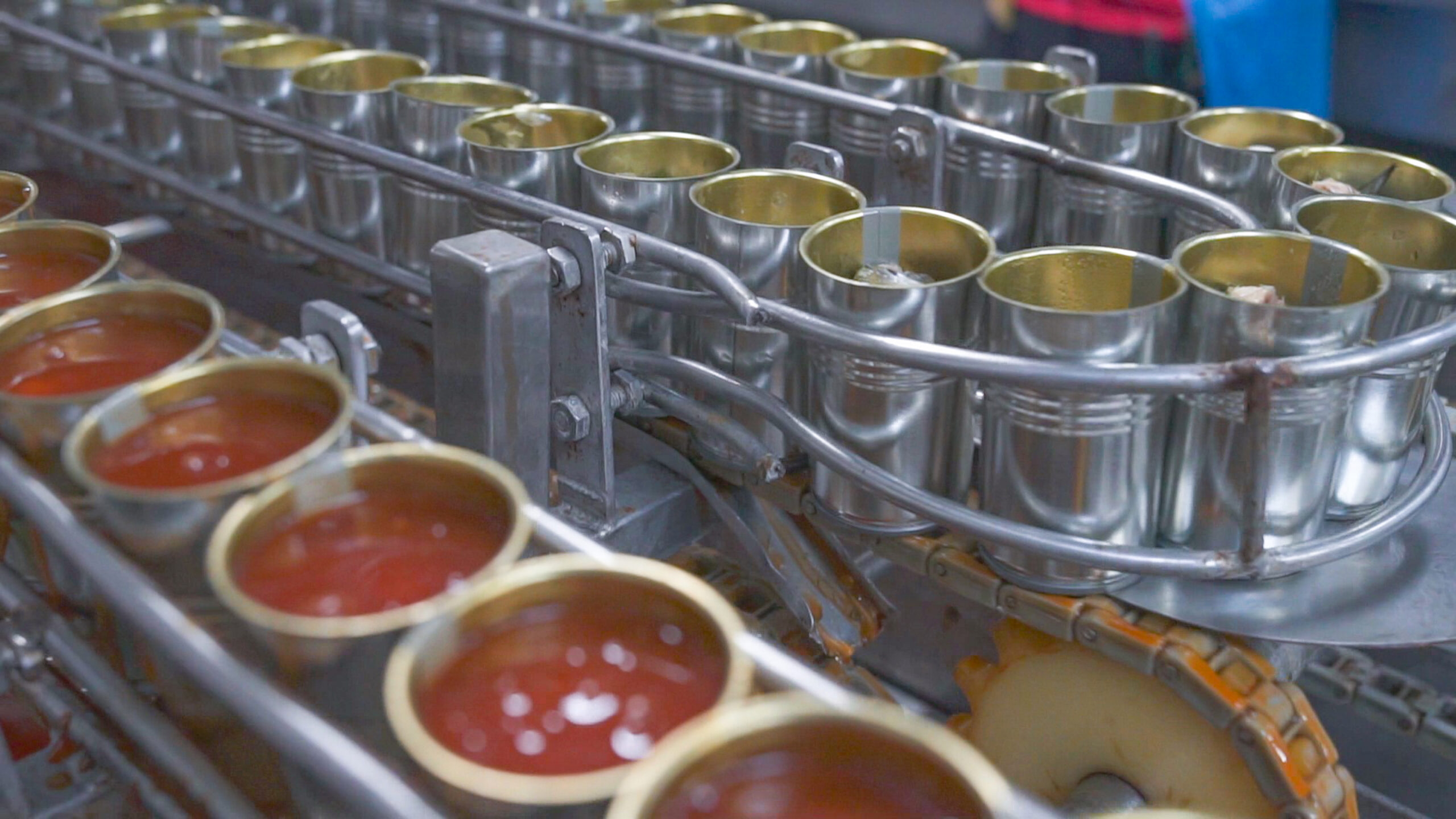
South Africa’s food and beverage manufacturers are operating in an environment where water management is becoming a strategic business issue rather than a routine utility function.
Across the country, concerns about water availability, infrastructure reliability, and wastewater capacity are prompting processors to take a closer look at how dependent their operations are on municipal systems. What was once considered a stable foundation for production is now attracting greater scrutiny as facilities evaluate long-term operational resilience.
South African manufacturers are now facing two simultaneous pressures: increasing uncertainty around municipal water availability and rising costs associated with industrial wastewater discharge. Either challenge on its own would warrant attention. Together, they are forcing many processors to rethink how they manage water inside their facilities.
The result is a growing shift toward water reuse, wastewater recycling, and greater operational independence from municipal infrastructure.
Water Shedding Is Becoming an Operational Risk
Load shedding has long been a reality for South African industry. Increasingly, water availability is creating similar concerns.
Water supply interruptions have become more frequent across multiple municipalities due to aging infrastructure, maintenance backlogs, drought pressures, distribution losses, and growing demand. While a residential customer may view an outage as an inconvenience, the consequences are far more significant for a food processing facility.
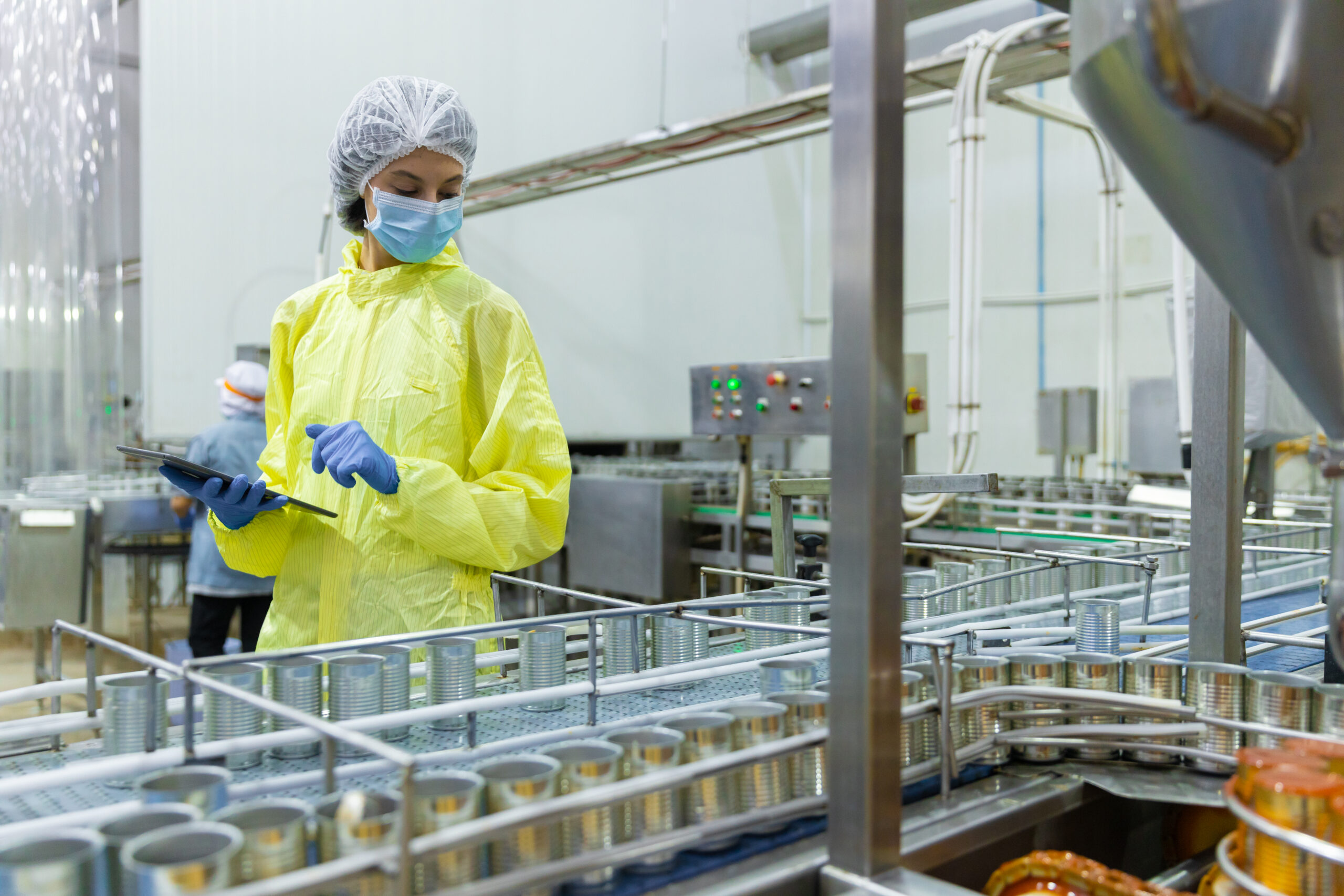
Many food and beverage operations rely on continuous water supply for production, sanitation, ingredient preparation, cooling systems, and cleaning-in-place (CIP) programs. Even a short interruption can halt production lines, disrupt schedules, create product losses, and increase labor costs.
For facilities processing perishable products, downtime can quickly become expensive. The challenge is not simply the cost of water. It is the risk associated with not having water when it is needed.
Municipal Infrastructure Is Under Growing Pressure
The broader infrastructure picture adds another layer of concern.
South Africa’s most recent Green Drop assessments highlighted significant performance challenges across many municipal wastewater treatment works. Numerous facilities were classified as critical or high risk, reflecting ongoing operational, maintenance, and compliance challenges.
For industrial facilities, this creates exposure on both ends of the water cycle.
Water supply systems face increasing strain, while wastewater treatment capacity is also under pressure. Facilities that depend entirely on municipalities for both incoming water and outgoing wastewater are increasingly exposed to infrastructure performance outside of their control.
In many cases, those risks do not appear directly on an annual operating budget, but they can significantly impact production reliability and long-term planning.
Industrial Effluent Costs Are Rising
At the same time, wastewater disposal is becoming more expensive.
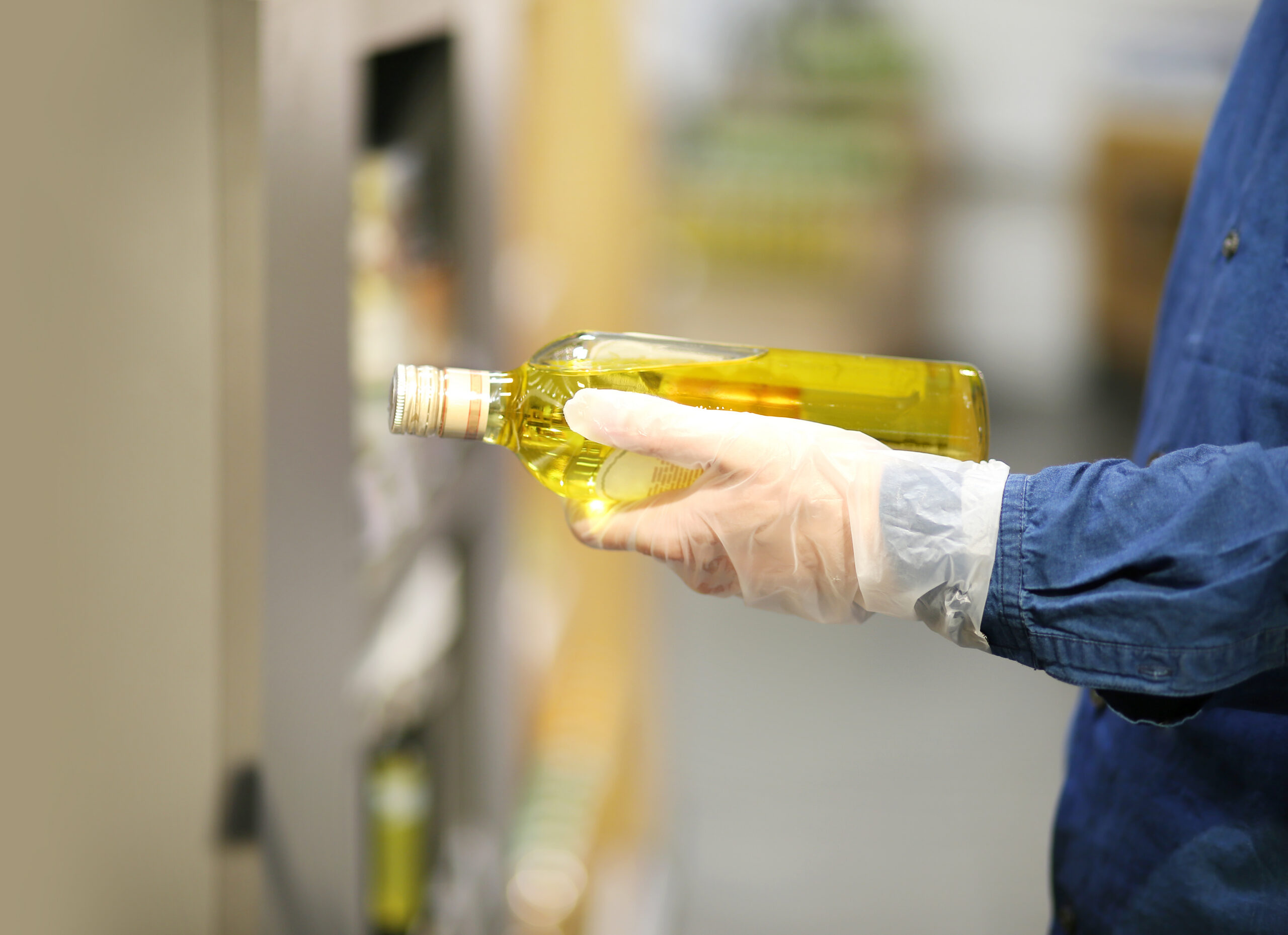
Municipalities throughout South Africa continue to evaluate industrial discharge practices as treatment infrastructure faces capacity constraints. High-strength food and beverage wastewater can contain elevated concentrations of fats, oils, grease (FOG), COD, BOD, suspended solids, and other contaminants that increase treatment requirements.
As a result, many facilities are seeing increased surcharges and stricter scrutiny around industrial effluent quality. Historically, wastewater disposal was often viewed as a predictable operating expense. Today, disposal costs can fluctuate significantly depending on wastewater strength and discharge volumes.
For food processors generating wastewater rich in organics, these costs can become substantial.
The financial impact extends beyond wastewater fees themselves. Higher discharge costs can limit production flexibility and make growth initiatives more expensive to support.
Why This Moment Is Different
What makes the current environment unique is that both challenges stem from the same dependency.
Municipal systems provide water to the facility and receive wastewater from the facility. When water availability becomes less predictable and wastewater disposal becomes more expensive, manufacturers face risk on both sides of the equation simultaneously. This changes the economics of water management.
The discussion is no longer limited to sustainability objectives or utility savings. Increasingly, it is becoming a question of operational continuity and production resilience.
Reducing Municipal Dependency Through Water Reuse
Many food and beverage wastewater streams contain valuable water that can be recovered and reused rather than discharged.
Modern membrane treatment systems make it possible to recycle a substantial percentage of process water directly on-site, reducing freshwater demand while simultaneously reducing wastewater discharge volumes.
The challenge has historically been membrane fouling.
Food and beverage wastewater often contains proteins, fats, oils, starches, and other organic compounds that rapidly foul conventional membrane systems. This increases cleaning frequency, drives up operating costs, and can make water reuse projects difficult to justify.
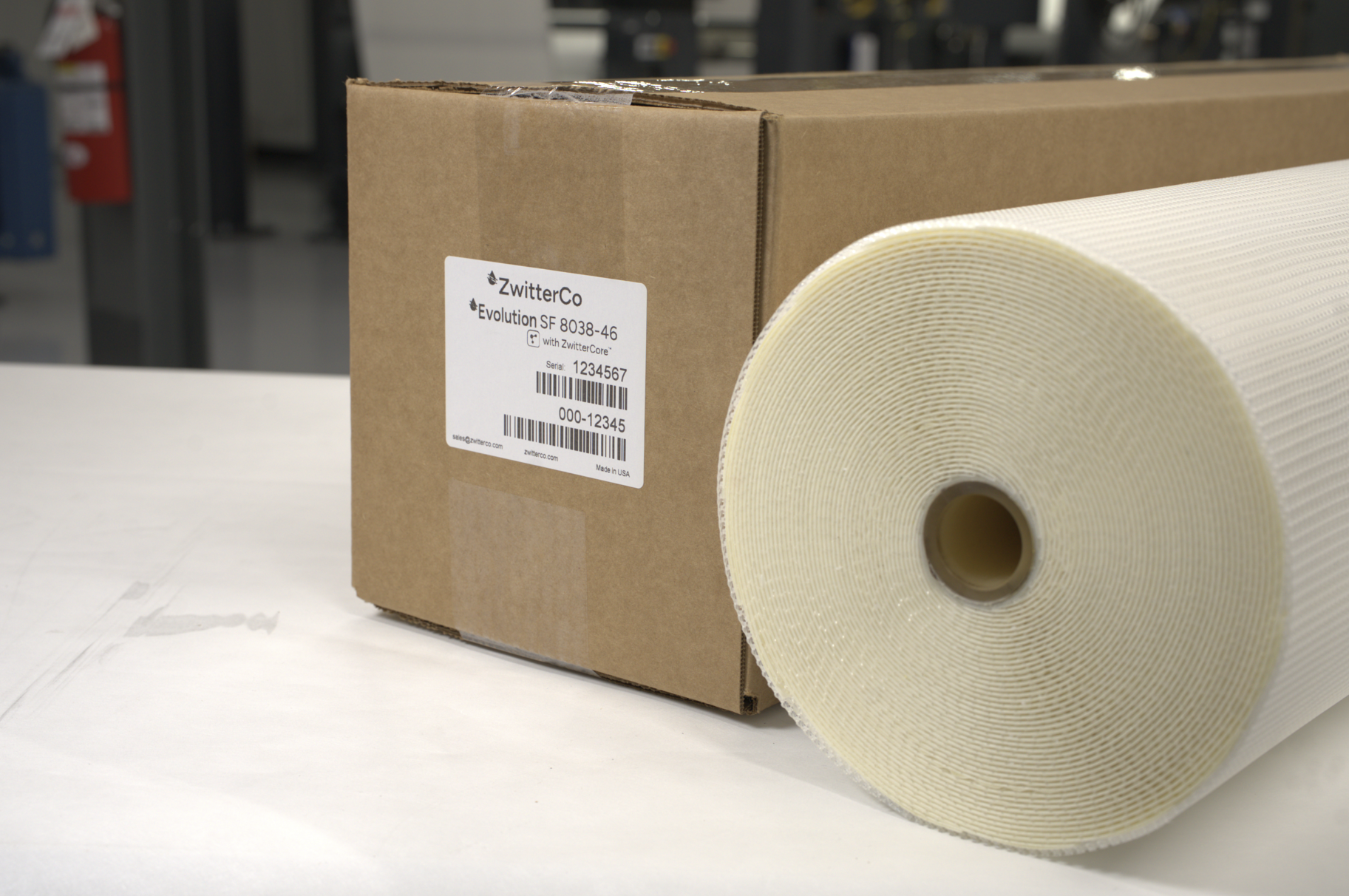
ZwitterCo addresses this challenge with membrane technologies specifically designed to resist irreversible organic fouling. ZwitterCo Expedition SF membranes, built with ZwitterCore™ technology, provide an ideal pretreatment step for removing complex organics before polishing and reuse. Expedition SF membranes are designed to handle streams containing up to 5% fats, oils, grease, and other organics while enabling wastewater reuse through a filtration-based approach.
For facilities pursuing high-quality water recovery, Expedition SF can be paired with ZwitterCo Elevation RO membranes. Built with ZwitterShield™ technology, Elevation membranes are direct replacements for conventional RO elements and provide the industry’s highest feedwater tolerance for TOC, BOD, COD, and oil and grease while delivering reliable performance when feed water is affected by organics.
Together, these technologies enable facilities to recover more than 90% of process water in many reuse applications while reducing discharge volumes and lowering exposure to municipal infrastructure constraints.
Operational Continuity Comes First
Water reuse projects are often evaluated through the lens of cost savings.
Those savings remain important. Reduced freshwater purchases, lower discharge volumes, fewer surcharge payments, and improved regulatory confidence can create substantial financial value over time.
But for many South African food and beverage facilities, the primary benefit is becoming something else entirely – operational continuity.
When a facility can recover and reuse the majority of its process water on-site, it becomes less dependent on external water availability. Production planning becomes more predictable. Exposure to supply interruptions decreases. Wastewater discharge volumes fall. Surcharge risk declines.
The financial benefits follow, but they are increasingly secondary to maintaining reliable production.
As water challenges continue to evolve across South Africa, manufacturers that build greater control over their water resources will be better positioned to protect operations, support growth, and operate with confidence regardless of external conditions.
To learn how ZwitterCo can help your facility reduce municipal dependency and improve operational resilience, contact our team to discuss your application.