For decades, many California food and beverage facilities operated with a simple assumption: if production expanded, water supply could expand with it.
That assumption is becoming increasingly difficult to maintain.
A combination of groundwater restrictions, rising wastewater disposal costs, and stricter enforcement is changing the economics of industrial water management across the state. Facilities that once viewed water supply and wastewater treatment as separate operational concerns are now being forced to evaluate them as part of the same business challenge.
The result is a growing interest in water reuse, particularly among dairy processors, poultry facilities, produce processors, and other manufacturers generating high-organic wastewater streams.
SGMA Changed the Groundwater Equation
The Sustainable Groundwater Management Act (SGMA) was designed to address decades of groundwater overdraft throughout California. As local Groundwater Sustainability Agencies implement sustainability plans, many agricultural and industrial users are seeing increased scrutiny of groundwater withdrawals and long-term pumping rights.
For food and beverage facilities that historically relied on private wells, this creates a significant challenge.
Water that was once viewed as a dependable source for future growth is increasingly constrained by pumping limits and groundwater management requirements. In many regions, simply drilling another well or increasing production from an existing one is no longer a viable growth strategy.
Production demand continues to increase, but freshwater availability is becoming less predictable.
Facilities that can recycle and reuse water internally gain access to an alternative source of supply that is not dependent on additional groundwater extraction.
Wastewater Disposal Costs Continue to Rise
At the same time, discharging wastewater to municipal systems has become substantially more expensive.
Food and beverage wastewater often contains elevated concentrations of fats, oils, grease (FOG), proteins, starches, sugars, and other organic compounds. Municipal treatment facilities increasingly recover treatment costs through surcharge programs tied to organic loading.
For many processors, these surcharges have evolved from a minor operating expense into a significant line item. FOG penalties, high-strength wastewater fees, and additional pretreatment requirements are increasing pressure on operating budgets. Every gallon discharged represents both a disposal cost and a lost opportunity to recover water for beneficial reuse.
As disposal costs rise, the economics of water reuse become increasingly attractive.
Regulatory Risk Is Growing
California has also increased the financial consequences of non-compliance.
AB 460 strengthened enforcement authority and increased potential penalties associated with water quality violations. Inflation-adjusted penalties and higher daily fines mean that environmental compliance can no longer be treated as a predictable operating expense.
For facilities operating close to permit limits, the financial exposure associated with a single excursion can be significant. This reality is driving greater investment in treatment systems that provide operational stability and reduce compliance risk.
Reliable treatment performance is no longer simply an environmental objective. It has become a business requirement.
Why Many Water Reuse Projects Struggle
Water reuse itself is not a new concept. Membrane systems combining ultrafiltration (UF) and reverse osmosis (RO) have been used for years to recover water from industrial wastewater streams.
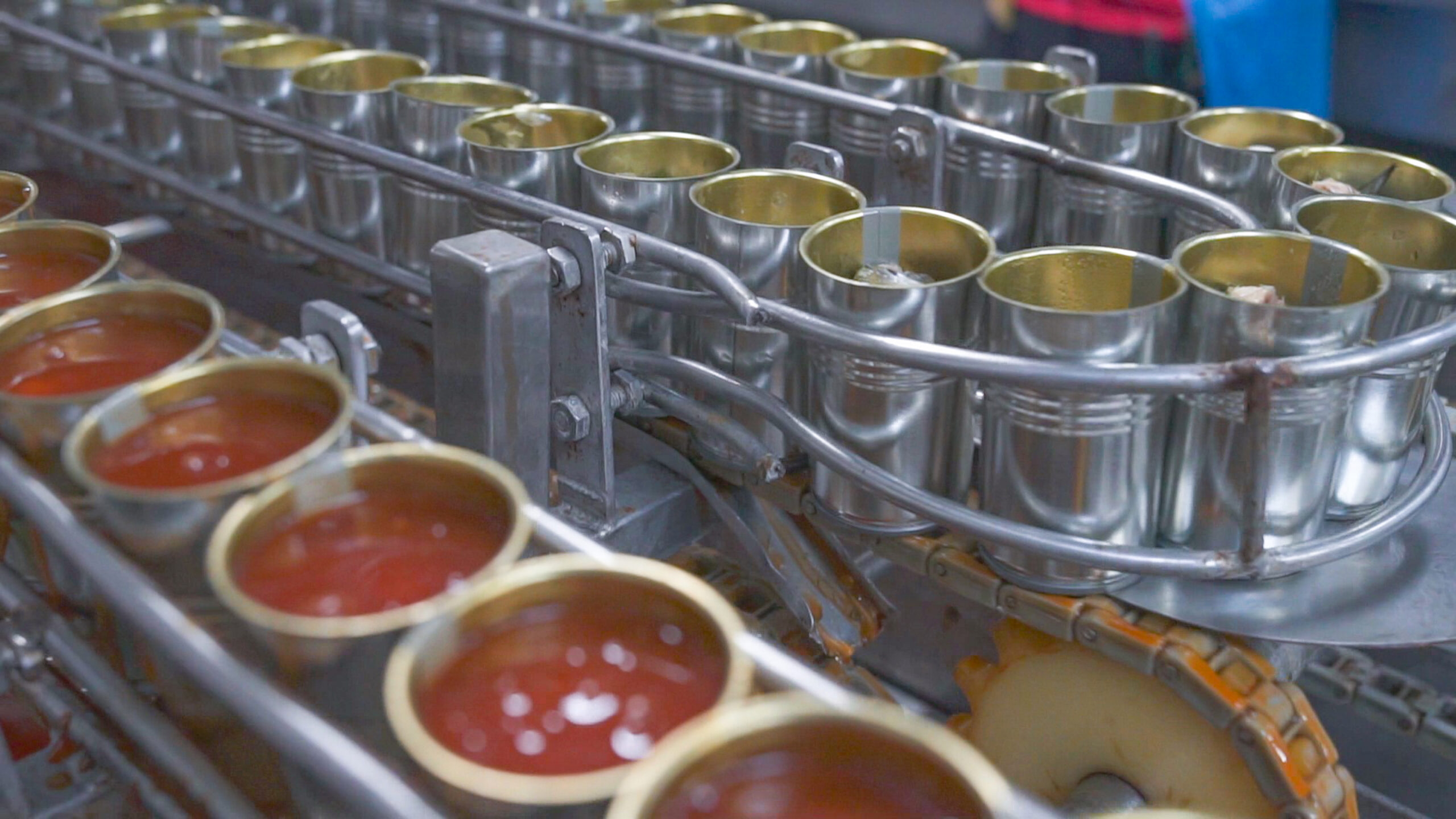
The problem is that many food and beverage wastewaters were never well suited for conventional membrane technology. Streams from dairy processing, poultry operations, beverage production, and produce washing often contain substantial concentrations of fats, oils, grease, proteins, and other organic compounds. These constituents rapidly foul conventional UF membranes, reducing flux, increasing cleaning frequency, and creating instability throughout the treatment train.
In many cases, the challenge is not the RO system. The challenge is the pretreatment step upstream.
When pretreatment membranes foul, downstream RO performance deteriorates as well. Cleaning frequency increases, operating costs rise, recovery rates decline, and water reuse projects become difficult to justify economically. This is one of the primary reasons many industrial water reuse initiatives fail to reach their full potential.
A Flexible Approach to Water Treatment and Reuse
Conventional water reuse projects typically rely on a fixed two-stage approach: pretreatment followed by reverse osmosis. For complex food and beverage wastewater, a rigid treatment train often isn’t the right answer, because every facility’s feed water and treatment goals are different.
ZwitterCo Systems address both objectives – water treatment and water reuse – through a portfolio of technologies that can be configured to fit the application, rather than a one-size-fits-all process. Depending on feed water characteristics and treatment goals, a solution may draw on prefiltration, superfiltration (SF), reverse osmosis (RO), or a combination of these stages.
Stage 1 Prefiltration. Where feed water carries significant solids or debris, a prefilter stage can remove this material upfront, protecting downstream membranes and reducing the load they need to handle.
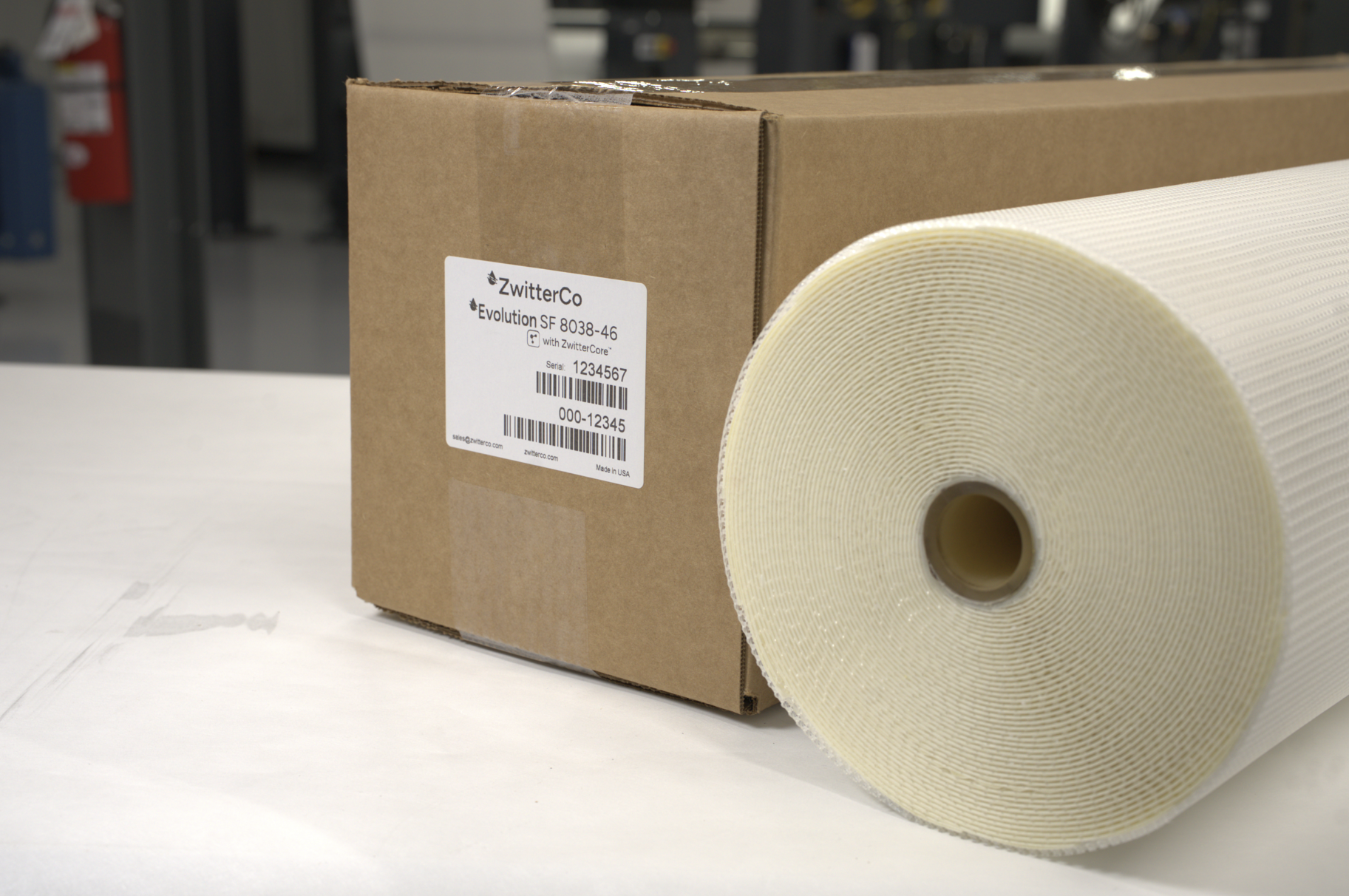
Stage 2 Expedition SF. Built with ZwitterCore™ technology, Expedition SF membranes were developed specifically for wastewater streams carrying elevated levels of FOG, COD, and other organics. Where conventional ultrafiltration fouls quickly, Expedition SF is designed to handle up to 5% fats, oils, grease, proteins, and other organics while maintaining stable, reliable operation, removing FOG, turbidity, and macromolecular organic compounds before water moves downstream.
Stage 3 Reverse Osmosis. When RO is part of the configuration, a stable, well-conditioned feed – rather than an unstabilized waste stream – allows the system to operate at significantly higher recovery rates, supporting either water reuse or a cleaner discharge for compliance.
Because the right configuration depends on feed water quality and the facility’s specific treatment or reuse goals, ZwitterCo works with each customer to determine which combination of technologies best fits their application, rather than applying a fixed formula.
Why More Facilities Are Turning to Water Reuse
The value of water reuse extends far beyond reducing freshwater consumption.
Facilities may realize savings from:
- Reduced groundwater demand
- Lower municipal wastewater surcharges
- Reduced FOG-related penalties
- Lower regulatory risk
- Increased production capacity without additional water withdrawals
- Reduced dependence on external water sources
Water reuse projects also support corporate sustainability initiatives by reducing freshwater consumption and wastewater discharge volumes.
For processors supplying major retailers and consumer brands, these sustainability outcomes are increasingly relevant during customer audits and procurement evaluations.
Most importantly, water reuse provides operational flexibility in a regulatory environment where water availability can no longer be taken for granted.
Looking Ahead
California’s water regulations are unlikely to become less restrictive.
Groundwater limitations, rising disposal costs, and stricter enforcement are reshaping how food and beverage facilities think about water. The facilities that adapt successfully will be those that view wastewater not as a waste stream to manage, but as a resource that can be recovered and reused.
With fouling-resistant membrane technologies designed specifically for streams rich in FOG, COD, and other organics, wastewater reuse is becoming practical in applications where conventional approaches have historically struggled.
For California food and beverage processors facing growing pressure on both water supply and wastewater management, the question is no longer whether water reuse is worth considering. The question is how much value is being left behind by not pursuing it.
To learn how ZwitterCo membrane and system solutions can help your facility reduce wastewater disposal costs, increase water recovery, and operate with confidence as regulations evolve, contact our team to discuss your application.