Water reuse has become a strategic priority for beverage manufacturers and breweries. Facilities across California, Mexico, and other water-stressed regions are looking for ways to reduce freshwater consumption, improve resilience against supply disruptions, and lower wastewater disposal costs.
For many plants, the preferred approach is a membrane-based reuse system built around ultrafiltration (UF) followed by reverse osmosis (RO). On paper, the process is straightforward. UF removes suspended solids and larger organic compounds before RO produces high-quality water suitable for reuse.
In practice, however, many beverage wastewater reuse projects fail to achieve the consistency operators expect.
The challenge is often attributed to RO. When RO cleaning frequency increases, flux declines, or operating costs rise, the RO system is typically blamed. But in many beverage wastewater applications, the root cause starts upstream. The real limitation is often conventional UF pretreatment operating in a wastewater stream with constantly changing organic conditions.
Beverage Wastewater Is Not a Stable Feed Stream
Unlike municipal wastewater, beverage wastewater can change dramatically throughout the day.
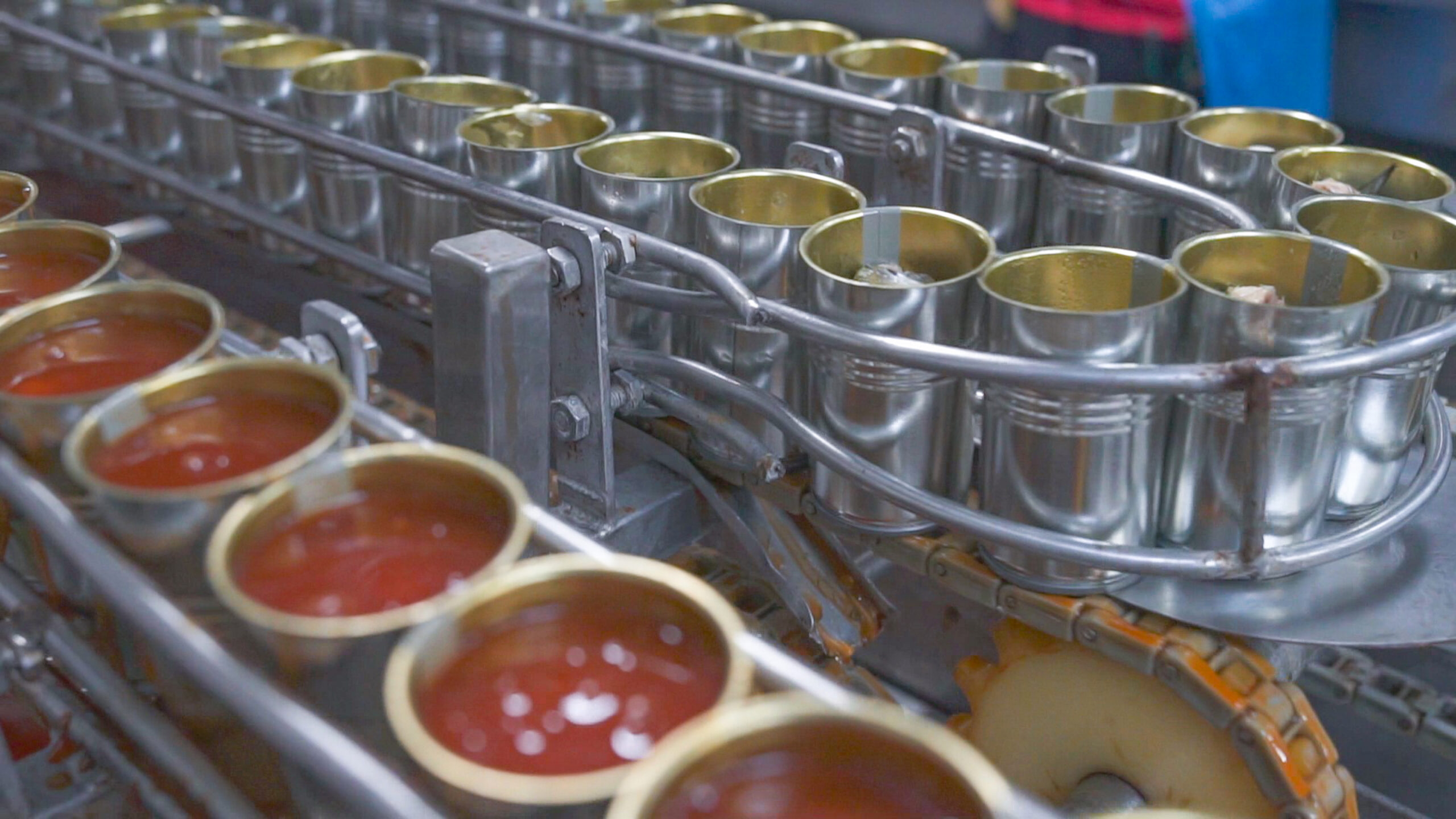
Production changeovers, sanitation events, ingredient losses, seasonal products, and varying production schedules all influence wastewater composition. Breweries experience fluctuations in yeast, proteins, carbohydrates, and cleaning chemicals. Soft drink facilities see changing sugar loads and product losses. Juice and dairy beverage operations can experience spikes in organic concentration and suspended solids.
These variations create a difficult environment for conventional pretreatment technologies. A conventional UF system may perform well during normal operating conditions but struggle when organic loading increases. As fouling develops, UF performance becomes less predictable. Permeate quality can fluctuate, transmembrane pressures increase, and cleaning frequency rises.
When pretreatment performance becomes inconsistent, the downstream RO system inherits those challenges.
Why Conventional UF Creates Instability for RO
Reverse osmosis systems perform best when feedwater quality remains consistent. Even relatively small increases in organic carryover can accelerate fouling within the RO system. As more dissolved and colloidal organics reach the membrane surface, operators often see declining permeability, increased cleaning frequency, and higher operating costs.
The issue is not necessarily that the RO membrane is incapable of producing reuse-quality water. The issue is that the pretreatment system is no longer providing stable protection.
This creates a cycle many beverage processors know well:
- Wastewater characteristics change
- UF performance declines
- More organics reach the RO system
- RO cleaning frequency increases
- Water recovery and uptime decrease
- Operating costs rise
Facilities often respond by adding chemicals, increasing maintenance, or accepting lower recovery rates. These actions address symptoms rather than the underlying source of instability.
A Different Approach: Superfiltration Instead of Conventional UF
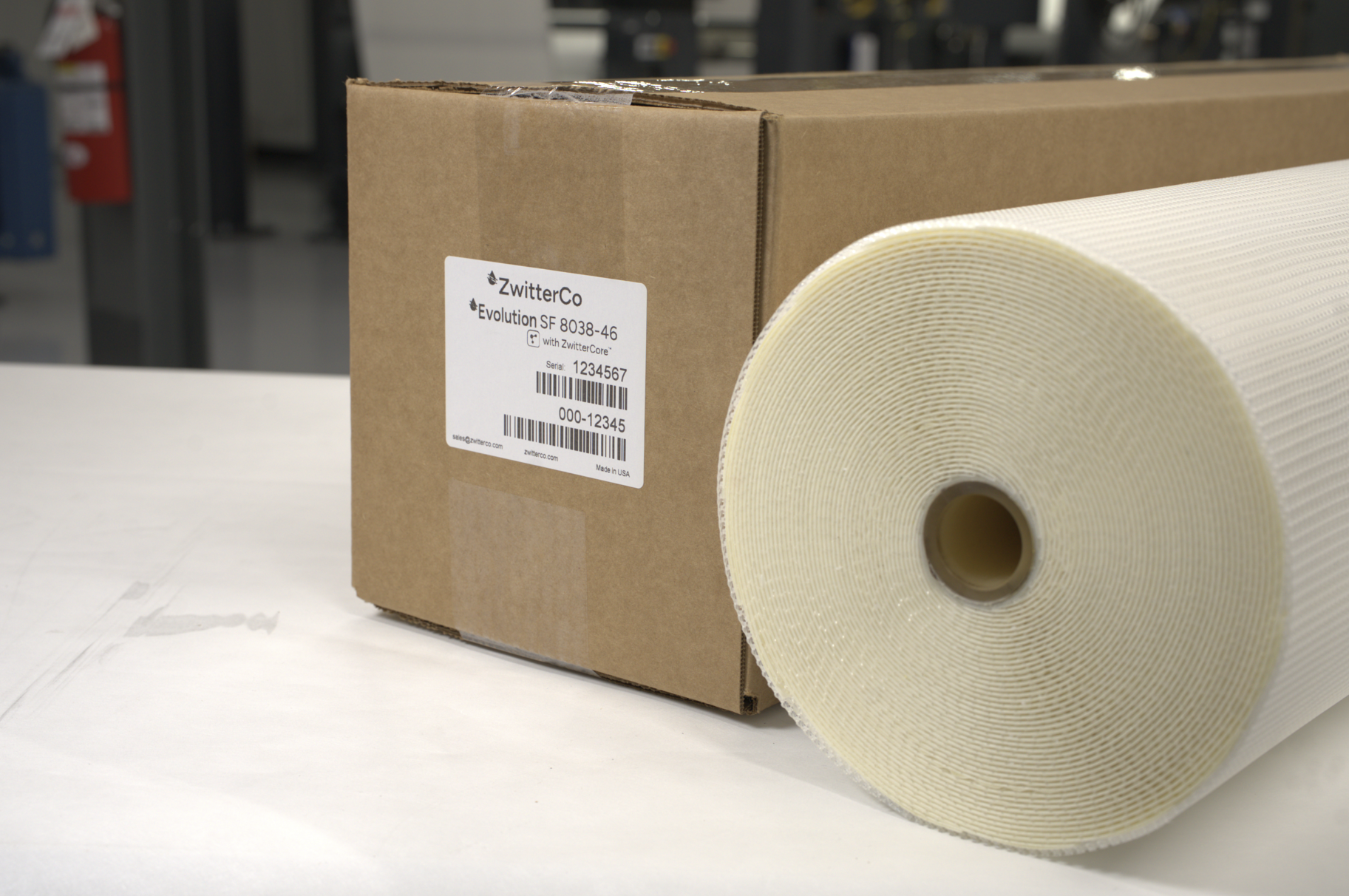
ZwitterCo Expedition Superfiltration (SF) membranes were developed specifically for streams with elevated organic loading and significant variability. Built with ZwitterCore™, these membranes are engineered entirely from zwitterionic chemistry and are designed to handle aggressive organic fouling challenges that conventional pretreatment technologies struggle to manage.
SF occupies a unique position between traditional ultrafiltration and nanofiltration. It can be described as a “tight UF” or an “open NF” membrane. Expedition SF provides greater removal of dissolved organic compounds than conventional UF while maintaining low salt rejection.
Expedition SF membranes remove more than 99% of FOG, turbidity, and compounds larger than one nanometer while handling streams containing up to 5% fats, oils, grease, proteins, and other organics. For beverage wastewater reuse, this difference is significant.
Instead of simply protecting RO from suspended solids, Expedition SF removes a broader range of dissolved organic foulants that commonly drive downstream membrane fouling. The result is a more stable RO feed stream and a more reliable reuse system overall.
The Value of Looking at the Entire Treatment Train
Many reuse projects focus heavily on selecting the right RO membrane. While RO remains critical for producing reuse-quality water, long-term success depends on the entire treatment train.
Pretreatment performance directly influences RO performance. When upstream treatment can consistently remove organic foulants despite changing wastewater conditions, RO systems operate with fewer interruptions, longer runtimes, and lower maintenance requirements.
This is why many facilities are beginning to evaluate SF + RO systems rather than conventional UF + RO configurations. By improving organic removal before RO, operators gain greater stability throughout the system.
Building Reliable Water Reuse Systems for Beverage Facilities
As water reuse becomes increasingly important across the beverage industry, reliability is becoming just as important as water quality. Facilities need systems that can handle the realities of industrial wastewater, not just ideal operating conditions.
When pairing ZwitterCo Expedition SF with ZwitterCo Elevation RO membranes, facilities gain a complete membrane solution designed to resist organic fouling throughout the treatment train. Elevation membranes provide the industry’s highest feedwater tolerance for TOC, BOD, COD, and oil and grease while delivering reliable operation when feedwater is affected by organics.
For beverage processors pursuing water recovery and reuse, the question is no longer whether RO can produce reuse-quality water. The more important question is whether the pretreatment system can consistently protect the RO system from the organic variability that defines beverage wastewater.
Facilities that solve that challenge are often the ones that achieve the highest uptime, lowest operating costs, and most reliable path to long-term water reuse.
Interested in evaluating water recovery opportunities at your facility? Contact ZwitterCo to learn how Expedition SF and Elevation RO membranes can help simplify wastewater reuse and improve system reliability.