Food and beverage producers across Latin America are operating under a different set of water constraints than they were even a few years ago. In regions like Brazil, Chile, Peru, and Mexico, water availability is becoming less predictable, and the cost of freshwater continues to increase. At the same time, discharge requirements are becoming more stringent, particularly for industrial facilities sending wastewater to municipal systems.
For many processors, this combination is forcing a closer look at how wastewater is treated and where existing systems fall short.
Where Current Treatment Approaches Are Struggling
A large portion of food and beverage processing facilities in LATAM rely on relatively simple treatment trains. Screening, dissolved air flotation (DAF), and biological treatment are often used as primary steps before discharge to sewer. Biological treatment remains a proven and essential tool for removing degradable organics, and the goal is not to replace it, but to strengthen overall treatment performance as discharge expectations continue to evolve.
The challenge is that the bar has moved. Regulators are tightening limits on COD, FOG, and nutrients, and municipalities are paying closer attention to industrial contributions. Existing trains weren’t designed for this level of consistency, and they leave behind a recalcitrant, soluble organic fraction they were never meant to handle.
As enforcement increases, residual variability translates into more frequent excursions, higher surcharges, and less operational flexibility.
High Organic and FOG Loads Are a Major Factor
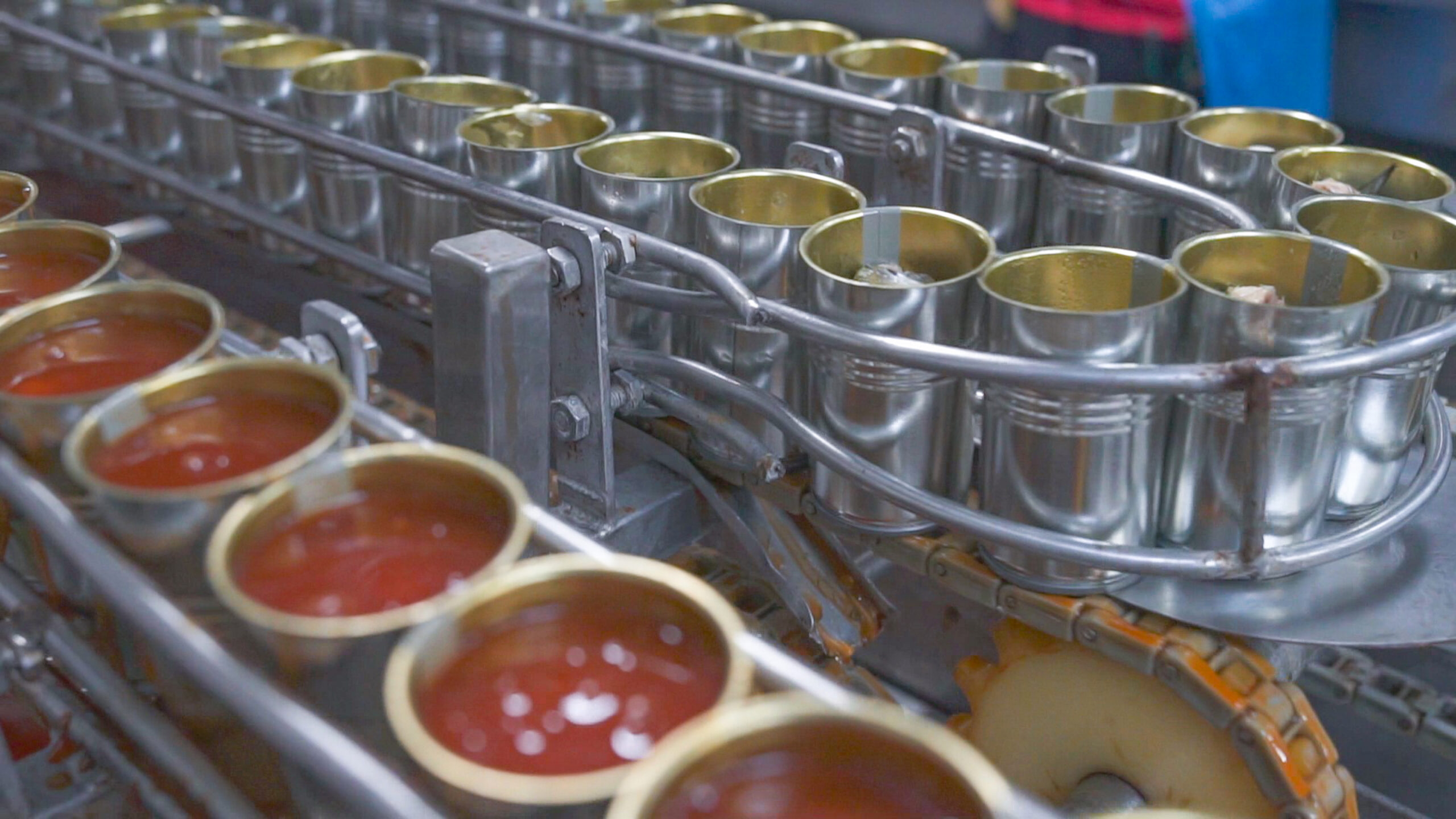
Wastewater from poultry, meat, and fish processing is difficult to manage because of its composition. These streams typically contain high levels of organics and fats, oils, and grease.
This affects multiple parts of the treatment process. Biological systems can become unstable when loading fluctuates. Downstream filtration systems are more prone to fouling. Operators often compensate by increasing chemical use or cleaning frequency, which adds cost and reduces overall system efficiency.
In membrane systems, irreversible fouling is a primary limitation, especially when treating streams affected by organics. As fouling builds, performance declines and maintenance requirements increase. Over time, this leads to higher operating costs and more frequent intervention from plant staff.
Beverage Facilities Face Similar Constraints
In beverage production, the wastewater profile is different but still challenging. Breweries, soft drink plants, and juice processors are typically focused on achieving low COD levels, removing color, and producing effluent that is suitable for reuse or compliant discharge.
Even when upstream treatment is effective, residual organics can impact final water quality. This becomes more noticeable when facilities are trying to meet stricter reuse standards or discharge into more sensitive environments.
As a result, many plants are looking for additional treatment steps that can provide more consistent polishing without adding excessive operational complexity.
Water Reuse Is Being Driven by Cost and Availability
Water reuse is becoming more common across the region, not only for sustainability reasons but also because of cost and supply constraints. Facilities are evaluating how treated wastewater can be reused for non-potable applications such as cleaning, cooling, or utility water.
To do this reliably, systems need to produce stable, predictable effluent. Variability that might have been acceptable for sewer discharge is not acceptable for reuse. This puts additional pressure on existing infrastructure, which often was not designed with reuse in mind.
What Processors Are Looking for Now
Facilities are not necessarily looking to rebuild their entire treatment system. In many cases, the focus is on improving performance within the existing footprint.
There is increasing interest in solutions that can:
- Improve consistency of effluent quality
- Handle higher levels of organics and FOG
- Reduce dependence on frequent cleaning and chemical use
- Fit into existing system designs without major modifications
This is where conventional membrane technologies often run into limitations. When exposed to higher organic loading, they require more aggressive operation and maintenance to maintain performance.
A Different Approach to Membrane Performance
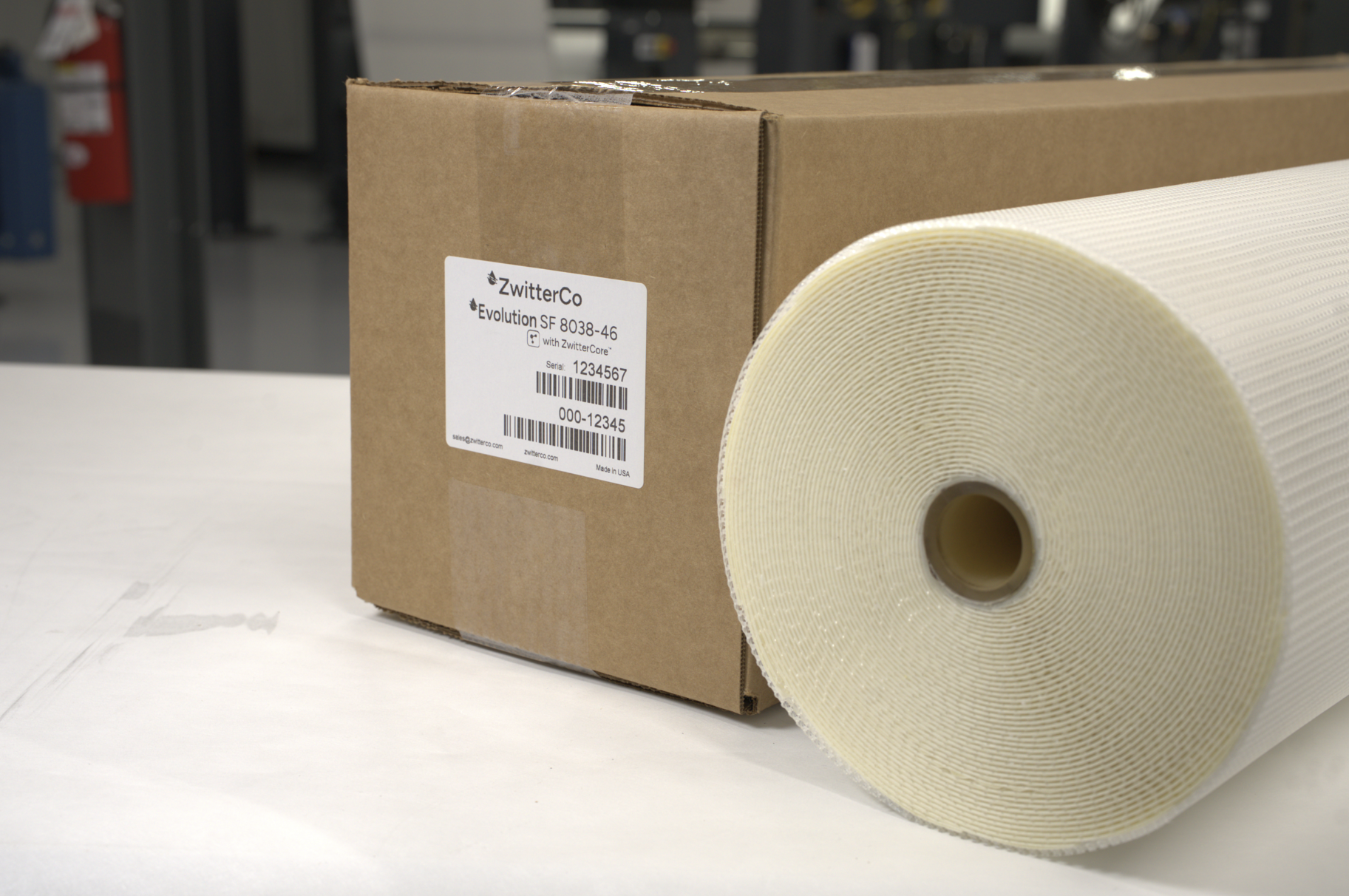
ZwitterCo Elevation RO membranes are engineered to address the limitations of conventional RO in streams affected by organics. These membranes are built with ZwitterShield™, a permanently bonded, patented zwitterionic chemistry applied to existing membrane surfaces. This chemistry is highly hydrophilic and forms a stable hydrated barrier that repels proteins, oils, and other organic compounds before they can adhere to the membrane.
By preventing the adhesion of these compounds, ZwitterShield™ reduces the rate of fouling and helps avoid irreversible performance loss. This allows systems to operate more consistently, even when feedwater conditions vary.
ZwitterCo Elevation RO membranes are also designed to achieve full recovery of flux after cleaning, unlike many conventional elements. This supports more predictable long-term operation and reduces the need for aggressive or frequent cleaning cycles.
They also provide the industry’s highest feedwater tolerance for TOC, BOD, COD, and oil and grease, giving operators more flexibility when treating higher organic loads or variable wastewater streams.
From an operational standpoint, this leads to:
- Reduced cleaning frequency
- Savings on cleaning costs
- Reduced reliance on specialty cleaning chemicals
- Higher uptime with fewer interruptions
Because ZwitterShield™ is permanently bonded to the membrane surface, these benefits are maintained over time without requiring changes to system design.
Increasing Internal Pressure from Sustainability Goals
Many food and beverage companies operating in LATAM are part of larger global organizations. These companies are setting internal targets related to water use, discharge reduction, and overall environmental performance. At the plant level, this often translates into expectations to reduce water consumption, increase reuse, and improve treatment outcomes without significantly increasing operating costs.
Meeting these expectations with existing systems can be difficult, especially when those systems were designed primarily for basic compliance.
Moving Forward
As water constraints continue to tighten across LATAM, wastewater treatment is becoming more closely tied to overall plant performance. Facilities that improve consistency and reduce operational strain will be better positioned to manage both cost and compliance. For many processors, that starts with rethinking how their systems handle streams affected by organics.
To learn more about Elevation RO membranes, contact us today.