ZwitterCo Unfiltered returns with Episode 4, recorded live from CheeseExpo in Milwaukee. Hosted by Jon Goodman (VP of Food Processing & Specialties) and Scott Brown (Senior Business Development Manager), this episode captures real-time conversations with dairy processors and reflects what’s top of mind across the industry today.
Listen to episode 4 here.

A Strong Signal From The Market: Protein Demand
One of the clearest themes from CheeseExpo is the continued strength of protein demand. Attendance at the show reached record levels, with more than 4,000 participants, and many processors pointed to favorable market conditions as a reason for increased investment and engagement.
That demand is influencing how plants think about production. While cheese remains foundational, more processors are focusing on maximizing protein recovery and moving toward higher-value ingredients. Products like milk protein concentrate (MPC), milk protein isolate (MPI), and whey protein isolate (WPI) continue to gain traction.
In some cases, processors are even exploring ways to extract protein earlier in the process, including producing native whey directly from milk using membrane separation. This approach can shift how plants are designed and how value is captured from each stream.
Processing is Evolving Alongside Demand
As product targets change, processing strategies are evolving with them. Systems are becoming more complex, especially in final concentration steps where achieving higher purity requires tighter control.
That complexity brings new challenges, particularly around membrane performance and cleaning. According to conversations at the show, the final concentration stage often carries the longest and most resource-intensive cleaning programs.
This is where many of the technical discussions at CheeseExpo were focused.
Replacing NF with SF and simplifying cleaning
One topic that came up repeatedly was the potential to replace nanofiltration (NF) with superfiltration (SF) in certain applications. Processors are evaluating whether SF can deliver the required separations while improving flux and enabling more flexible cleaning strategies.
A key advantage being discussed is the ability to clean systems more effectively. In some cases, processors are looking to use chlorine-based cleaning and remove enzyme steps entirely. Since enzyme washes are often the longest and most expensive part of a cleaning program, eliminating them can significantly reduce turnaround time.
Shorter cleaning programs translate directly into more production time. Even incremental reductions can have a measurable impact when applied across daily operations.
This aligns with broader trends in the industry, where simplifying cleaning programs can reduce chemical use, water consumption, and overall operating costs while increasing uptime.
Productivity is Driving Decision-Making
Another consistent theme from the episode is how processors evaluate new technologies. While membrane price still comes up in conversations, the focus is shifting toward overall value and lifecycle impact. Production managers are often thinking in terms of time. Saving an hour in a cleaning program is not an abstract benefit. It directly translates to increased throughput and higher output over the course of a year.
This perspective is shaping how new membranes are introduced. Some plants begin testing at the final concentration stage, where the impact of fouling and cleaning is most visible. Others start at the front end or evaluate systems individually, depending on their configuration.
Expanding Interest in RO and Water Reuse
Beyond protein concentration, the episode highlights growing interest in reverse osmosis (RO) applications. Conversations at CheeseExpo included effluent polishing, permeate recovery, and reuse of water within the plant.
One example discussed involved treating combined flush streams through RO and reusing the recovered water elsewhere in the facility. By extending run times and reducing cleaning frequency, these systems can operate more efficiently while supporting broader water management goals. This reflects a wider shift in the industry, where water is increasingly viewed as a resource to be recovered rather than discarded.
Conversations from the show floor
CheeseExpo also included technical presentations that reflected many of the same themes coming up in booth conversations. Scott Brown presented during the event, focusing on how membrane performance is impacting day-to-day operations in dairy plants.
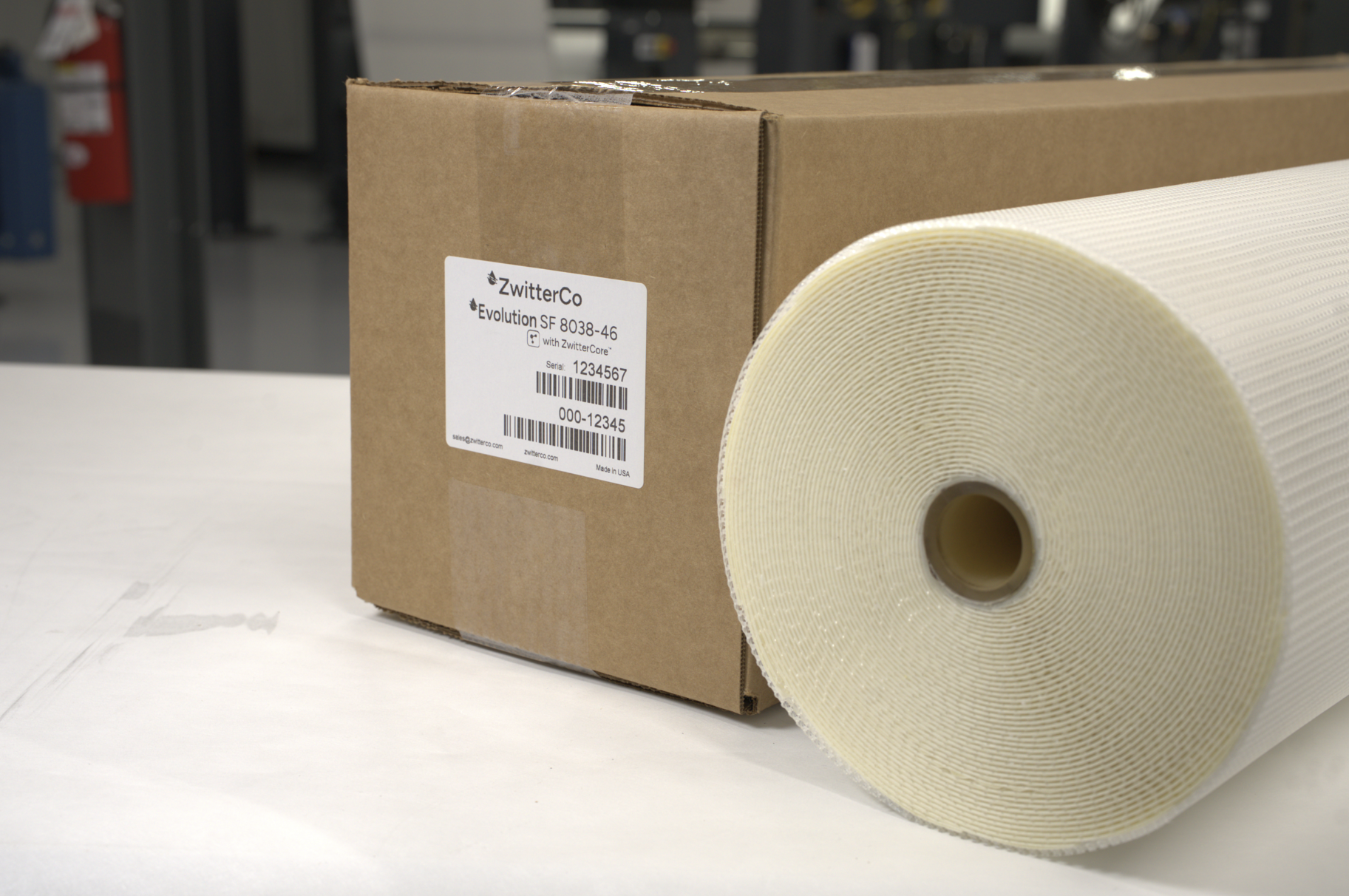
In his session, he covered how Evolution membranes are enabling more productive operations through higher sustained performance and simpler cleaning programs. The discussion connected directly with what many processors are experiencing today – long cleaning cycles, heavy chemical use, and the need to get systems back into production faster.
Missed the talk and want to learn more? Click here for additional resources on Evolution membranes.
The Bigger Takeaway
Episode 4 provides a snapshot of where dairy processing stands today. Demand for protein is strong, and processors are responding by rethinking how their systems are designed and operated.
The conversations at CheeseExpo point to a few clear priorities:
- Increase protein output and capture more value from each stream
- Simplify cleaning programs to reduce downtime
- Improve system productivity without major capital changes
- Expand water recovery and reuse where possible
Membranes sit at the center of all of these discussions. As processes become more demanding, performance in real operating conditions matters more than ever.
Have a question you want us to cover in a future episode? Contact us today.