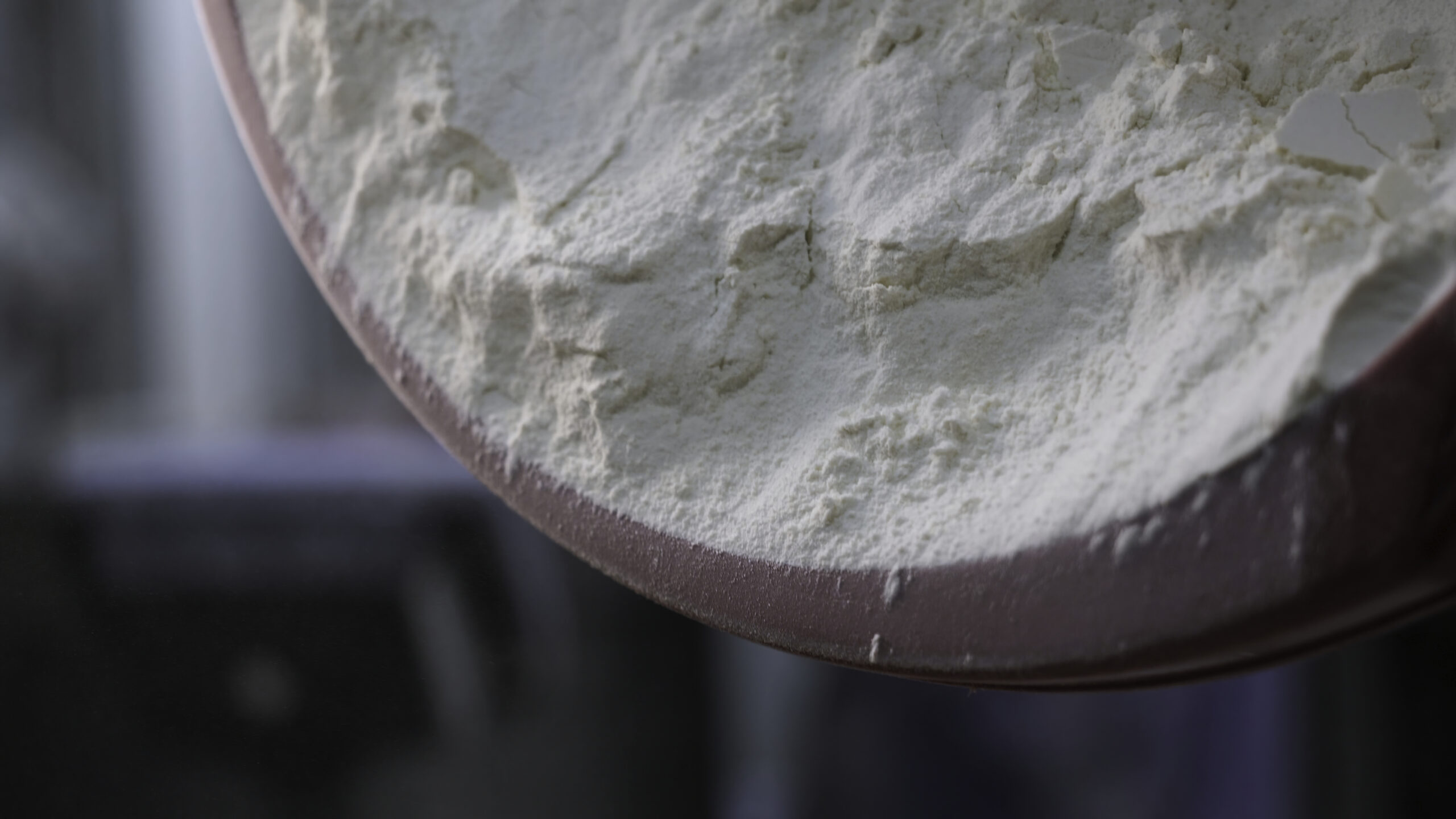
Pea protein has moved from niche ingredient to core input across food processing. As production scales, concentration becomes one of the more demanding steps in the process. The challenge is maintaining stable performance as solids increase. High-solids pea protein streams behave differently than dilute systems. Viscosity rises, organics accumulate at the membrane surface, and fouling accelerates. Many processors run into the same pattern. Flux declines, cleaning programs expand, and uptime drops.
Eventually, the system is no longer limited by installed capacity – it is limited by how often it has to stop.
Why High-Solids Concentration Strains Conventional Membranes
Conventional ultrafiltration (UF) and nanofiltration (NF) membranes were not developed for high-solids, protein-rich streams. As concentration increases, a dense gel layer forms on the membrane surface. That layer restricts flow and forces more frequent cleaning.
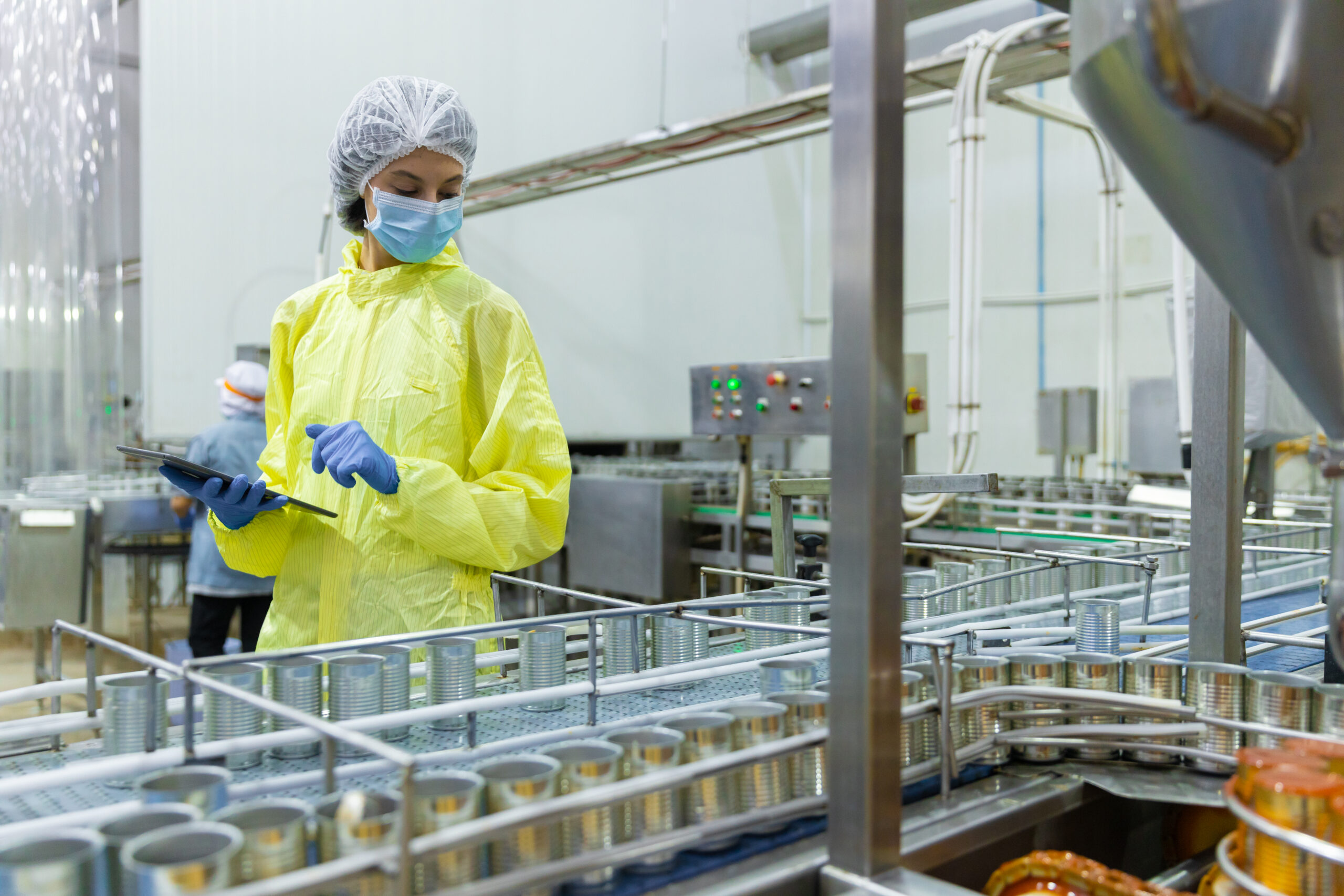
Cleaning programs tend to grow over time. Additional flushes and chemical steps are introduced, and the duration of steps is increased, in an attempt to recover performance. A process that appears simple on paper can become much longer in practice once all steps are included.
Each added step introduces more downtime and higher consumption of chemicals, water, and energy. The system spends more time cleaning and less time producing. For processors trying to scale pea protein output, this becomes a limiting factor that cannot be solved by increasing operating pressure or adding more cycles.
Addressing Fouling at the Source
The root issue in high-solids concentration is fouling. Improving performance requires changing how the membrane surface interacts with organics in the stream.
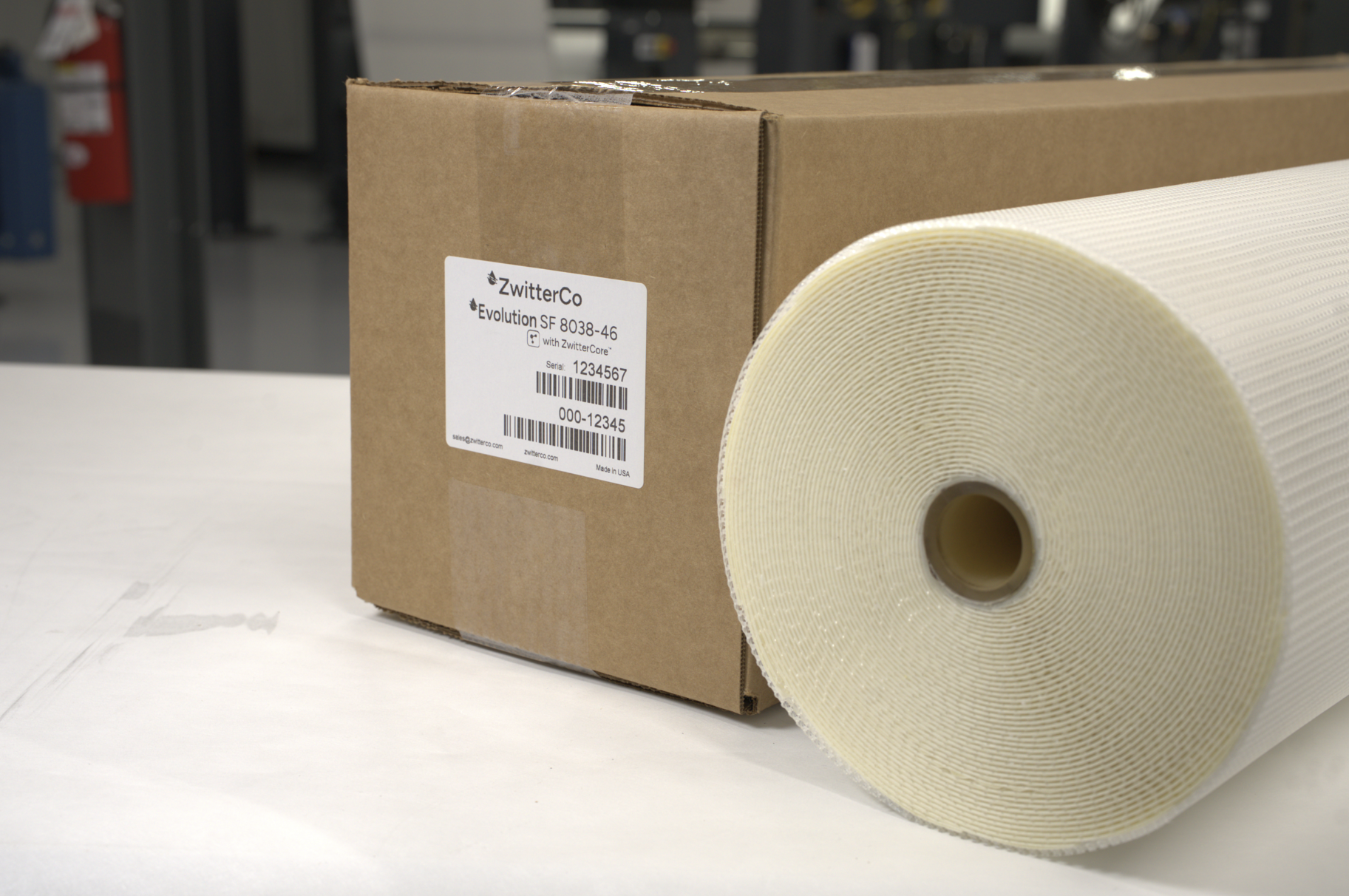
Evolution membranes use a patented zwitterionic chemistry that forms an extremely hydrophilic surface that actively repels organic foulants, which reduces the ability of proteins and other compounds to adhere to and foul the membrane. The result is fewer cleaning steps, shorter cleaning programs, and more time spent producing, all increasing overall productivity for users.

This interaction becomes more important as solids increase. With less accumulation at the surface, fouling remains more manageable and easier to reverse during cleaning. Membranes recover more consistently, even after extended operation.
Simplifying Cleaning Programs
Reduced fouling allows cleaning programs to be simplified. Steps that were previously required to restore flux can often be reduced or removed.
Evolution membranes are designed to shorten and streamline cleaning programs by reducing the number of steps required. Removing even one step can return an hour or more per day back to production. That time has a direct impact on throughput. More hours are spent running product instead of cleaning the system.
Simpler cleaning programs also improve consistency. Fewer steps reduce variability in execution and make system performance easier to manage over time.
Sustaining Flux at High Solids
Flux decline is one of the main constraints in pea protein concentration. As solids increase, maintaining stable flow becomes more difficult.
By limiting gel layer formation, Evolution membranes support higher sustainable average flux throughout operation. Longer run times reduce interruptions and improve overall process efficiency. Instead of frequent resets, the system operates more continuously.
Increasing Productivity Without System Changes
Evolution membranes are designed as direct replacements for conventional elements. They can be installed into existing systems without requiring modifications. This makes it possible to improve performance without redesigning the process. Gains come from reduced cleaning time, longer run cycles, more stable flux behavior, and increased overall productivity.
Higher productivity combined with sustained performance leads to increased output from the same system.
Moving Toward More Stable Operation
High-solids pea protein concentration places consistent pressure on membrane systems. Fouling, cleaning complexity, and downtime are closely linked, and each one affects overall productivity. Reducing fouling changes how the system behaves. Cleaning programs become shorter, run times extend, and performance stabilizes.
For processors working to scale plant protein production, improving consistency and productivity is often the most direct path to higher throughput.
Contact us today to speak with a technical expert about your process and explore how Evolution membranes can reduce cleaning time and improve overall productivity.