Across Europe, food and beverage manufacturers are under growing pressure to rethink how they treat wastewater. What once worked from a permitting, cost, and operational standpoint is increasingly misaligned with today’s regulatory expectations, sewer economics, and sustainability goals. Rising discharge fees, tighter limits on organics, and increasing water stress are forcing facilities to look more closely at how wastewater is treated on site – and what role advanced separation technologies can play.
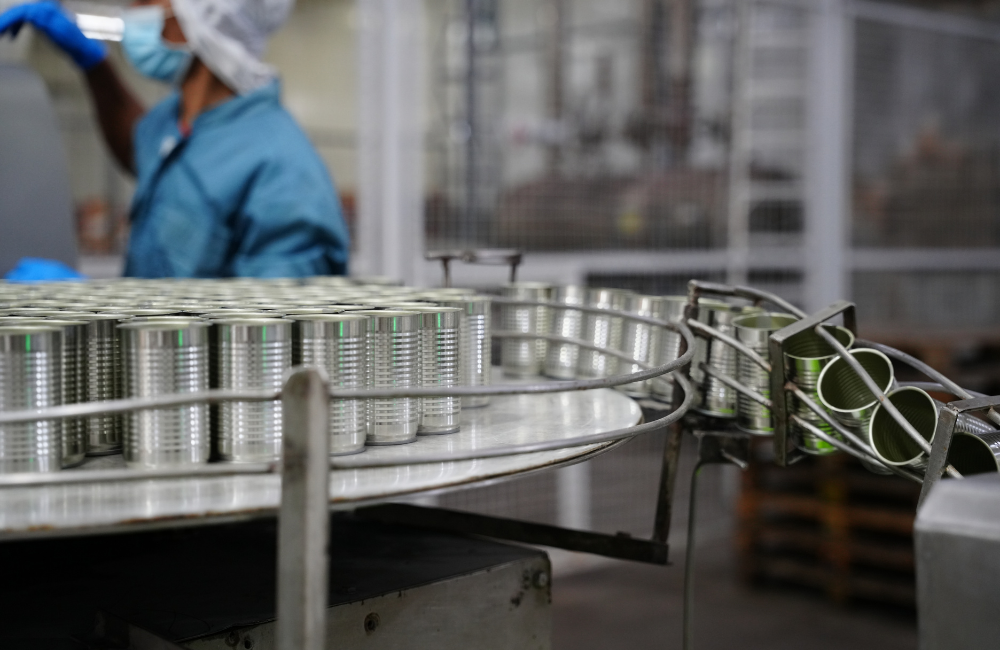
Historically, many plants relied on relatively simple treatment strategies to manage fats, oils, grease, and suspended solids before discharging to sewer. In some regions, dissolved air flotation (DAF) remains part of that approach. While effective at removing bulk contaminants, these systems were never designed to consistently address dissolved organics, residual COD, or reuse-quality water targets. As regulations evolve, those gaps are becoming harder to ignore.
The challenge is practicality. Traditional upgrades such as full biological wastewater treatment plants bring high capital costs, large footprints, and added operational complexity. For many food and beverage manufacturers, especially those operating legacy facilities, that path is slow, expensive, and disruptive.
Why Conventional Treatment Falls Short for Food and Beverage Wastewater
Food and beverage wastewater is inherently variable. Production schedules, cleaning cycles, seasonal inputs, and product changes all affect wastewater composition. Streams are frequently affected by proteins, sugars, fats, and other organics that are difficult to manage consistently with conventional treatment alone.
While primary treatment can reduce solids and free oils, dissolved organics often pass through unchanged. These compounds drive COD and BOD loading, increase sewer surcharges, and limit reuse potential. Even when discharge limits are met on paper, margin for error is shrinking as municipalities tighten enforcement and raise fees tied directly to organic loading.
At the same time, water reuse is moving from a sustainability aspiration to an operational necessity. Non-potable reuse for cleaning, utilities, and cooling can significantly reduce freshwater demand, but only if treated water quality is reliable and consistent. For many facilities, existing infrastructure was not designed with reuse in mind.
Advanced Membrane Treatment as a Practical Path Forward
Advanced membrane treatment offers a fundamentally different way to treat food and beverage wastewater. Rather than relying solely on biological conversion or large residence times, membranes provide a robust physical separation step for suspended solids, colloids, and a wide range of dissolved contaminants that drive cost and compliance challenges.
When applied as a polishing or primary advanced treatment step (with appropriate pre-treatment), membrane systems can produce high-quality effluent suitable for non-potable reuse or compliant discharge. Just as importantly, they do so with a compact footprint and reduced reliance on complex biological treatment systems. This makes them well suited for retrofit environments where space, time, and operational bandwidth are limited.
However, not all membranes are appropriate for food and beverage wastewater. Streams affected by organics are notoriously challenging for conventional Reverse Osmosis membranes, which often suffer from rapid fouling, frequent cleanings, and unstable performance.
Why Fouling Resistance Is the Differentiator
Organic fouling is the dominant failure mode for membrane systems treating food and beverage wastewater. Proteins, oils, and other organic compounds adsorb to conventional membrane surfaces, leading to irreversible performance loss, aggressive cleaning programs, and short membrane life.
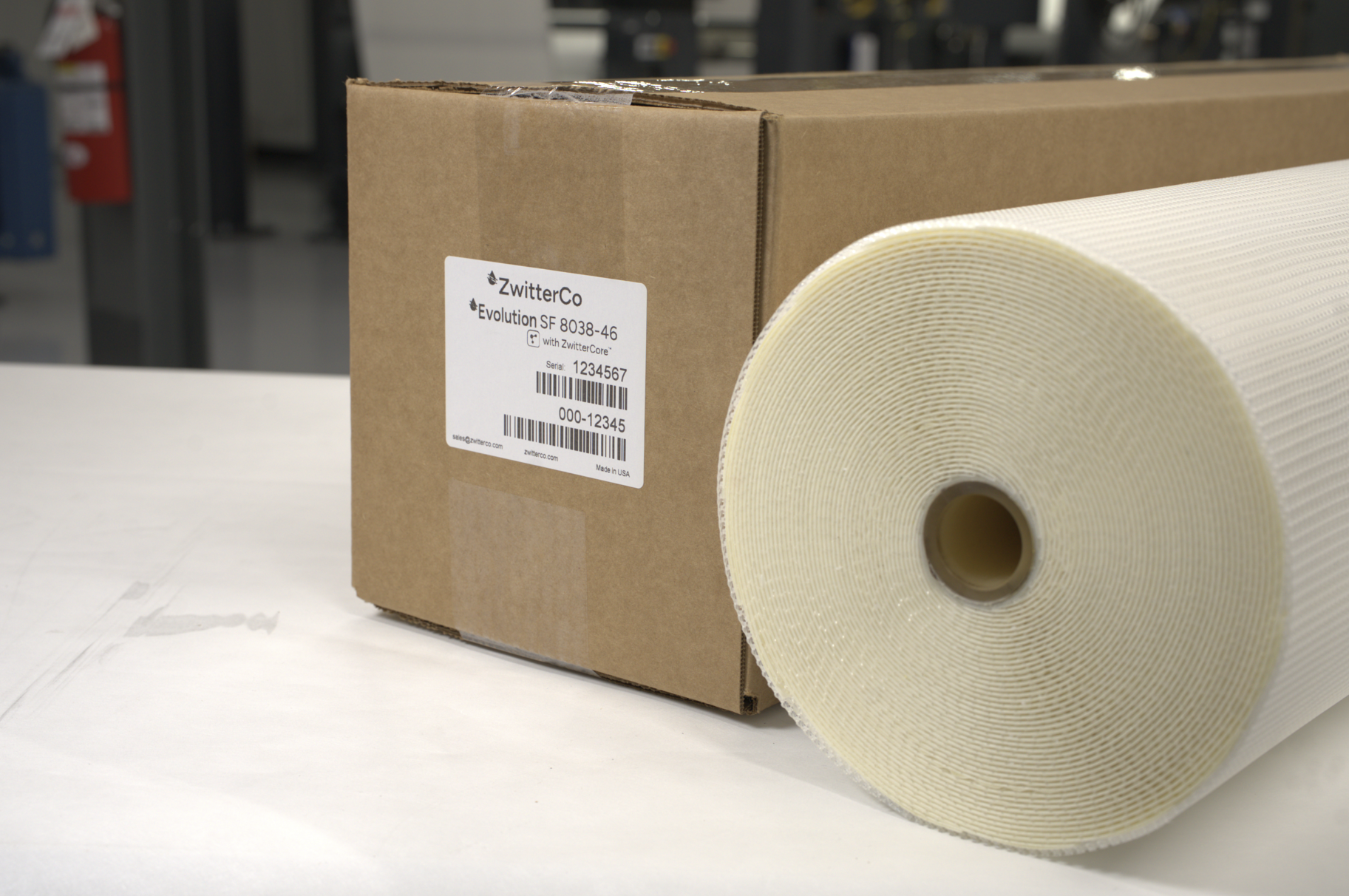
ZwitterCo Elevation membranes are engineered specifically to address this limitation. Built with ZwitterShield™, these RO membranes permanently bond zwitterionic chemistry to existing membrane architectures, creating a highly hydrophilic surface that resists irreversible organic fouling. Instead of allowing organics to adhere to the membrane, the hydrated barrier prevents them from sticking in the first place.
For food and beverage wastewater applications, this translates directly into operational stability. Elevation RO membranes require fewer cleanings, recover performance more quickly, and maintain stable operation even as feedwater quality fluctuates with production and cleaning cycles. Importantly, ZwitterCo Elevation RO membranes are engineered as one-for-one replacements for industry-standard RO elements, enabling straightforward integration into existing housings and system design
Lower Costs, Smaller Footprints, More Control
Treating food and beverage wastewater more effectively has immediate economic benefits. Reducing COD, BOD, and fine solids lowers sewer surcharges and reduces exposure to future rate increases.
Membrane systems enable a more compact and controllable treatment approach either by polishing biologically treated effluent or, in select cases, by reducing reliance on large biological systems altogether.
This translates to smaller footprints, faster deployment, and more predictable performance, without the operational complexity of managing biological processes under highly variable loads.
From Constraint to Strategic Asset
Food and beverage wastewater no longer needs to be managed as a necessary burden. With the right treatment approach, it can become a controllable, predictable part of plant operations – supporting compliance, cost reduction, and sustainability goals at the same time.
ZwitterCo works with food and beverage manufacturers to evaluate wastewater characteristics, discharge requirements, and reuse opportunities, and to implement membrane solutions designed for streams affected by organics and FOG. By pairing advanced separation with fouling-resistant membrane technology, facilities can modernize wastewater treatment without major construction projects or operational overhauls.
If your facility is facing rising discharge pressure, tightening limits, or growing water reuse expectations, ZwitterCo can help assess whether advanced membrane treatment is the right next step – and how to implement it with confidence. Contact us today.