If you run a tomato processing plant in Italy, you’re currently operating under two deadlines that don’t care about each other. One is regulatory. One is seasonal. And this year, they land on top of each other at the worst possible moment.
The regulatory deadline is the recast Industrial Emissions Directive, Directive (EU) 2024/1785, which entered into force in August 2024. Member States had until July 1, 2026, to transpose it into national law. That date has already passed. Whatever stricter resource-efficiency provisions the recast introduces are no longer something to plan around for next year – they’re the operating environment right now.
The seasonal deadline is campaign. Tomato processing compresses most of a year’s throughput into a short, intense summer window, and this is exactly the period when the wastewater a plant generates is at its most concentrated, most variable, and hardest to treat. Put those two together, and you get a genuinely difficult stretch for any facility whose pre-treatment system was sized for an earlier, less demanding operating reality.
The compliance side isn’t new pressure – it’s already-existing pressure that just got sharper
It’s worth being precise about what’s actually changed here, because “IED recast” gets used loosely.
The food, drink, and milk sector has been operating under BAT (Best Available Techniques) conclusions since 2019, via Commission Implementing Decision 2019/2031. Those conclusions already set expectations around water use, energy use, and organic loading in wastewater discharge. That baseline isn’t new.
What the recast does is tighten the framework those BAT conclusions sit inside. Under the broader IED 2.0 framework, permits are required to include binding, quantitative resource-efficiency requirements for water and energy – not just discharge limits – and installations remain subject to harmonized on-site inspections roughly every one to three years depending on risk classification. Italy’s transposition of the recast into national law means those tightened expectations are now formally part of the permitting environment processors operate inside, not a future item on a compliance roadmap.
Regulatory review and inspection timelines run on their own schedule. They aren’t built around a processing calendar, and they don’t pause because a plant happens to be mid-campaign.
Campaign season is when Italy’s water situation is most exposed, too
Here’s where the timing gets genuinely uncomfortable. Right now, as of this month, northern Italy is in the middle of a serious drought. The Po River District Basin Authority described conditions in the Po basin as “extremely critical” in early July 2026, warning that current water reserves would be exhausted within about ten days without rainfall. The Veneto region has already declared a state of emergency.
This isn’t a one-off. Italy uses roughly 25% more water per capita than the EU average, and the Po Valley – Italy’s industrial and agricultural core – has moved through multiple drought emergencies over the past several years. Whatever the exact permitting mechanics look like at the regional level, the broader picture is consistent: compliance pressure on water efficiency and discharge quality is arriving in a region where water availability is already under real strain, at the exact time of year when processors are drawing and discharging the most.
Why tomato wastewater is a particularly hard problem to solve with legacy systems
Tomato processing effluent isn’t just high-volume – it’s chemically demanding. A peer-reviewed review of resource efficiency in tomato processing found that roughly 70% of the freshwater used in the process is discharged as effluent carrying high biological oxygen demand (BOD) and chemical oxygen demand (COD) loads. Italy is among the largest tomato processors in the world, behind only the U.S. and China.
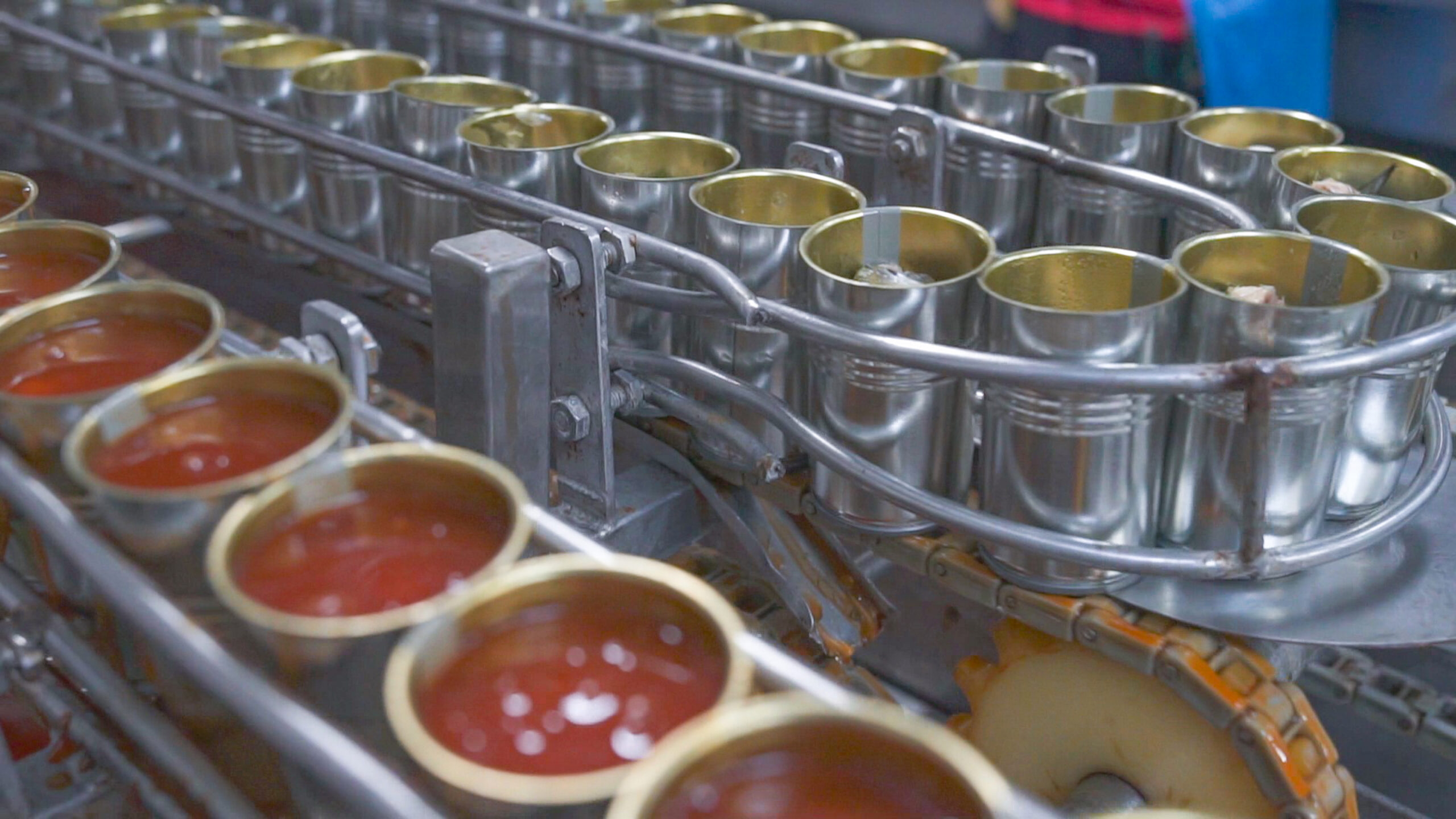
During campaign, pulp residues, natural sugars, suspended solids, and other organic matter all show up in the wastewater stream at once, and the concentration of that load moves around a lot depending on where you are in the processing day and the season. That combination – high organic strength plus real variability – is exactly the profile that conventional ultrafiltration (UF) struggles with.
Here’s the mechanism, in practical terms: standard UF membranes foul when organic material sticks to the membrane surface and won’t fully release, even after cleaning. Under normal loads, that’s manageable with a regular cleaning program. Under peak campaign loads, fouling accelerates, cleaning cycles have to run more often, and – critically – the water quality reaching downstream reverse osmosis (RO) starts to degrade. That’s the failure mode that matters most, because it shows up exactly when a plant has the least room to absorb it: production is at its highest, and so is the compliance exposure tied to discharge quality.
A pre-treatment system that’s marginal in the off-season doesn’t stay marginal during campaign. It becomes the bottleneck.
Where fouling-resistant Superfiltration (SF) changes the equation
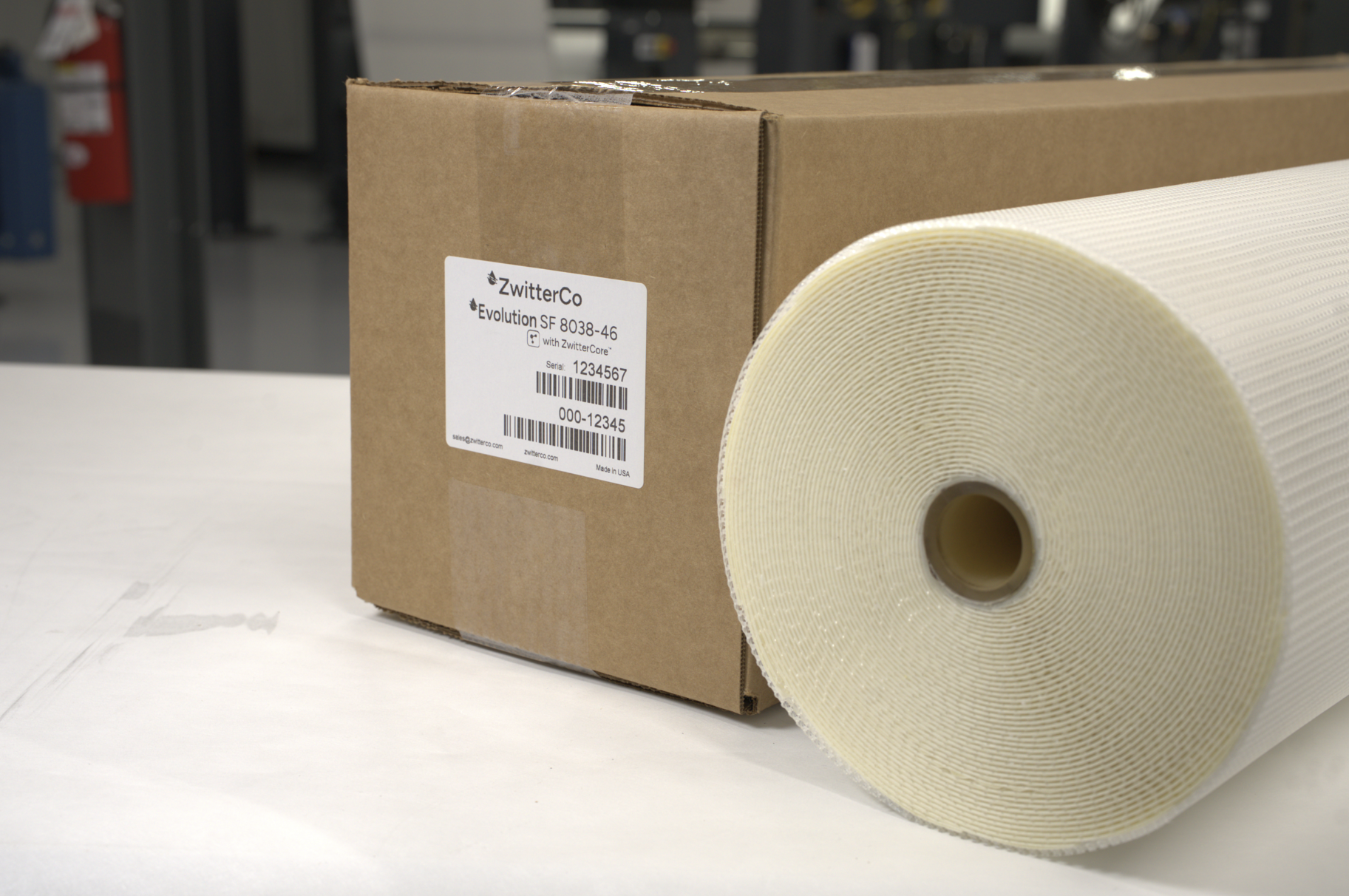
This is the specific problem ZwitterCo’s superfiltration (SF) membranes were engineered to solve. SF membranes are built using zwitterionic chemistry that resists organic fouling at levels conventional UF can’t sustain – the membranes are designed to handle fats, oils, and grease up to 5%, along with other hard-to-treat organics, and to fully recover performance with a straightforward maintenance wash rather than degrading progressively over a campaign.
The way SF sits in the separation spectrum matters here too. It falls between ultrafiltration and nanofiltration – delivering nanofiltration-like organic rejection while operating at ultrafiltration-like pressures. Because SF membranes aren’t fighting the osmotic pressure of the wastewater the way tighter membranes do, they run at low energy and function as a robust pre-treatment step ahead of RO, rather than an additional point of failure. They’re also chemically resilient enough to tolerate chlorine-based cleaning, which matters a lot when a plant needs a cleaning program that can keep pace with a compressed, high-intensity production schedule rather than competing with it for time.
For a tomato processor, the practical upshot is steadier RO feed quality straight through the peak of the season – not a system that quietly degrades right as throughput and compliance exposure both hit their highest point.
The regulatory deadline here isn’t a future risk to schedule around. It’s already in effect. And it lands directly on top of a wastewater challenge that intensifies, rather than eases up, during the exact weeks when a processor’s production volume and compliance stakes are both at their peak. Facilities carrying an unresolved pre-treatment gap into another campaign aren’t just risking one difficult season – they’re compounding that exposure with every ton processed under a permitting framework that’s now formally in force.