Membrane selection in dairy and food processing is often treated as a specification decision – pore size, material, and supplier. In practice, it is a financial decision that plays out every day on the plant floor.

The membrane you install determines how often you clean, how long you are offline, how much water and chemicals you use, and how stable your system remains over time. These factors accumulate into the true cost of ownership, which is rarely captured in the initial purchase price.
Cleaning Programs Are a Major Cost Driver
Cleaning programs sit at the center of membrane economics. Every step in a cleaning program carries a direct cost:
- Chemicals for each wash
- Freshwater for dilution and flushing
- Energy to heat and circulate solutions
- Wastewater treatment for spent chemicals
- Lost production time while the system is offline
Even a simple cleaning program expands quickly when flushes are included. What is often described as a four-step process can exceed ten individual steps in operation. Each of those steps consumes time and resources.
Economic modeling from operating systems shows how quickly these costs add up. In one comparison, conventional ultrafiltration (UF) cleaning programs resulted in daily costs of over $1,600, while optimized programs reduced that to under $700. On an annual basis, that difference exceeded $360,000 in cleaning-related costs alone.
That gap does not come from a single variable. It comes from the cumulative effect of fewer steps, lower chemical usage, reduced water demand, and less wastewater to treat.
Downtime Has a Direct Production Impact
Cleaning cost is only part of the equation. Downtime often carries a larger financial impact, especially in high-throughput dairy operations.
Each cleaning step typically takes close to an hour when heating, circulation, and flushing are included. Removing even one step from a daily cleaning program can return an hour of production time. Over weeks and months, that translates into measurable increases in output.
Production managers often define productivity in practical terms – more uptime, more output, and fewer disruptions to the process. Membrane performance directly influences all three.
When fouling accumulates quickly, systems require more frequent/longer cleaning programs and experience declining flux between cycles. This reduces throughput and forces operators to intervene more often. In contrast, membranes that maintain performance longer between cleanings allow the system to run closer to steady-state conditions.
Fouling Behavior Shapes Long-Term Costs
Organic fouling is the underlying driver behind cleaning frequency and system instability in dairy applications. Protein, fat, and other organic components form gel layers on membrane surfaces, restricting flow and reducing efficiency.
Membranes that are more resistant to organic fouling behave differently over time. Zwitterionic membrane chemistry, for example, creates an extremely hydrophilic surface that attracts water and repels organic material, limiting the formation of these gel layers.
The practical impact shows up in two ways:
- Higher sustainable operating flux, especially at high solids
- More complete recovery during cleaning
Field and pilot data from ZwitterCo Evolution membranes have shown higher flux performance compared to conventional membranes at similar operating conditions, with no loss in permeate quality. This means processors can maintain throughput without increasing pressure or cleaning frequency.
Total Cost of Ownership Extends Beyond Cleaning
When evaluating membranes, it helps to look beyond cleaning programs and consider the full operating picture:
- Chemical consumption over time
- Water usage for cleaning and flushing
- Wastewater treatment costs
- Energy demand for heating and pumping
- Labor associated with monitoring and maintenance
- Membrane replacement frequency
These factors are interconnected. Reducing fouling reduces cleaning frequency. Fewer cleaning steps reduce water and chemical use. Shorter cleaning programs reduce downtime. Together, these changes shift the economics of the entire system and increase overall productivity.
In some applications, removing a single cleaning step can deliver meaningful savings. Eliminating enzyme washes, for example, removes one of the most expensive and time-intensive parts of the cleaning program. Systems that have implemented simplified cleaning approaches have reported reductions in chemical usage of more than 60% and significant decreases in water consumption.
Where Membrane Selection Makes the Difference
The economic impact of membrane choice becomes most visible in demanding dairy applications:
- High-solids protein concentration
- Streams with elevated fat content
- Permeate polishing and reuse
- Systems operating near flux limits
In these environments, conventional membranes tend to foul quickly, driving frequent cleaning and unstable operation. Differences in fouling resistance translate into large differences in operating cost over time.
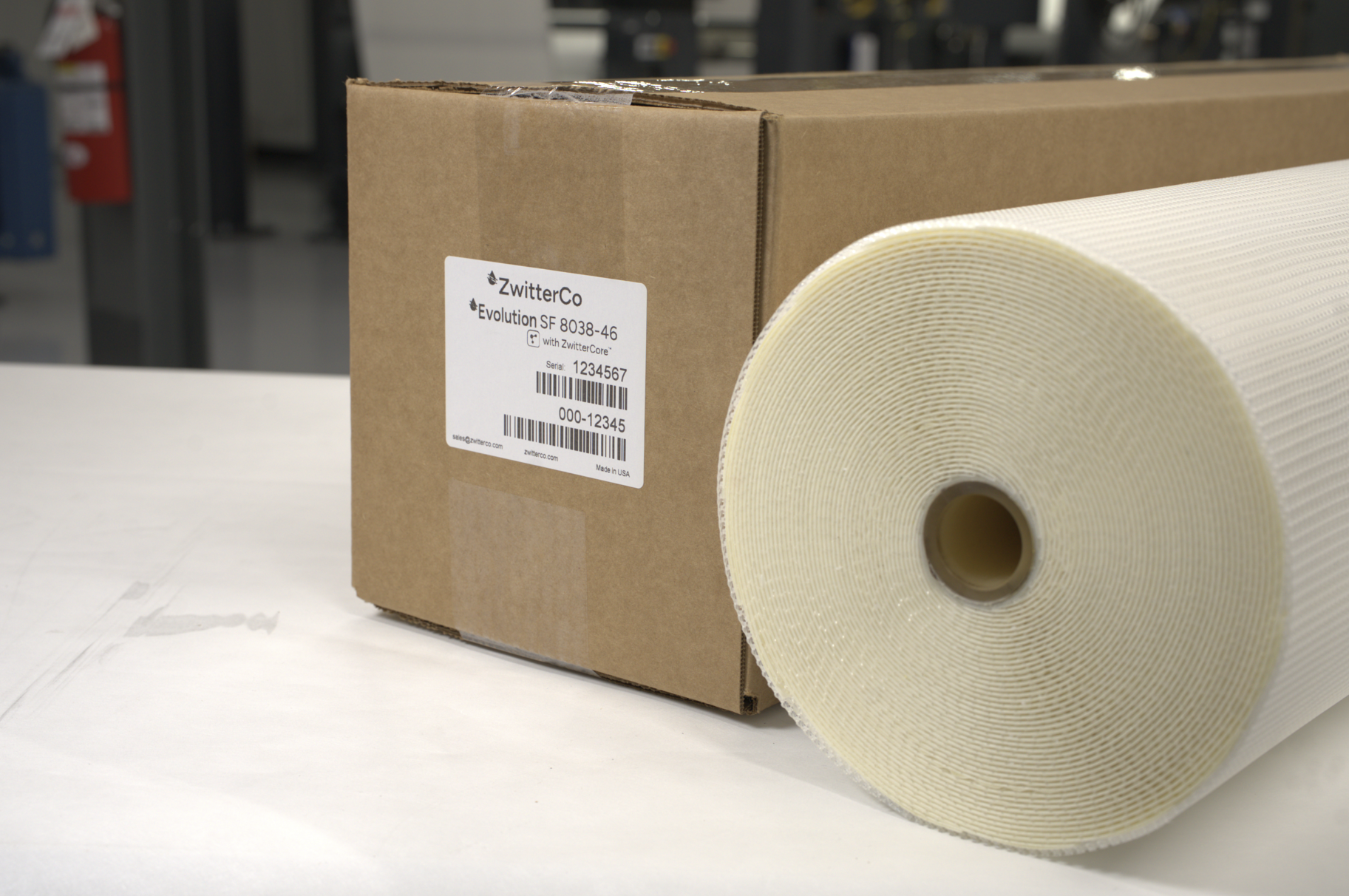
Membranes like those in ZwitterCo Evolution elements, designed for these conditions, aim to increase productivity, maintain higher flux, and simplify cleaning programs. The result is not a single performance improvement, but a shift in how the system operates day to day.
A Practical Way to Evaluate Membrane Economics
Instead of focusing on upfront cost, a more useful approach is to evaluate membranes based on:
- Cleaning frequency and duration
- Number of steps in the cleaning program
- Chemical and water consumption per cycle
- Flux stability over time
- Total annual operating cost
This framework reflects how the system actually performs in production.
For dairy processors, the difference between membrane options often shows up within the first year of operation. Lower cleaning costs, increased uptime, and more stable performance combine into a lower total cost of ownership.
Membrane selection is not just a materials decision. It is an operational and economic one that determines how efficiently a plant runs every day.
Contact us today to learn more about Evolution membranes.