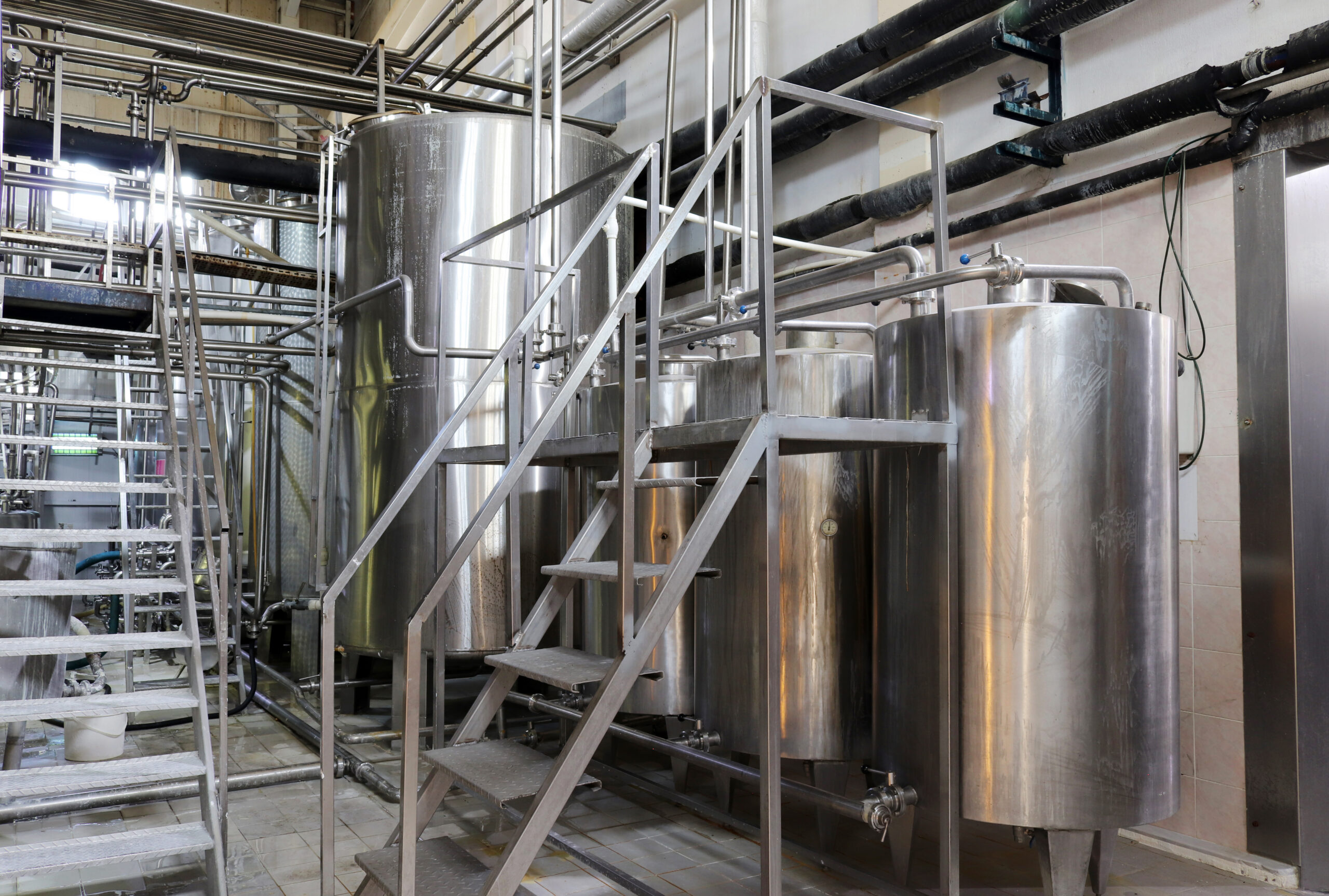
Soy protein processing continues to scale as demand for plant-based ingredients grows. As production increases, processors are placing greater emphasis on reducing water usage, lowering chemical consumption, and minimizing energy demand across their operations. Membrane filtration, particularly in protein concentration, plays a central role in determining how efficiently those goals can be achieved.
While membranes are critical to separating and concentrating soy protein, they also introduce one of the most resource-intensive parts of the process: cleaning. Cleaning programs require chemicals, freshwater, energy for heating and circulation, and time where systems are not producing. For many facilities, improving sustainability comes down to improving how these membrane systems operate.
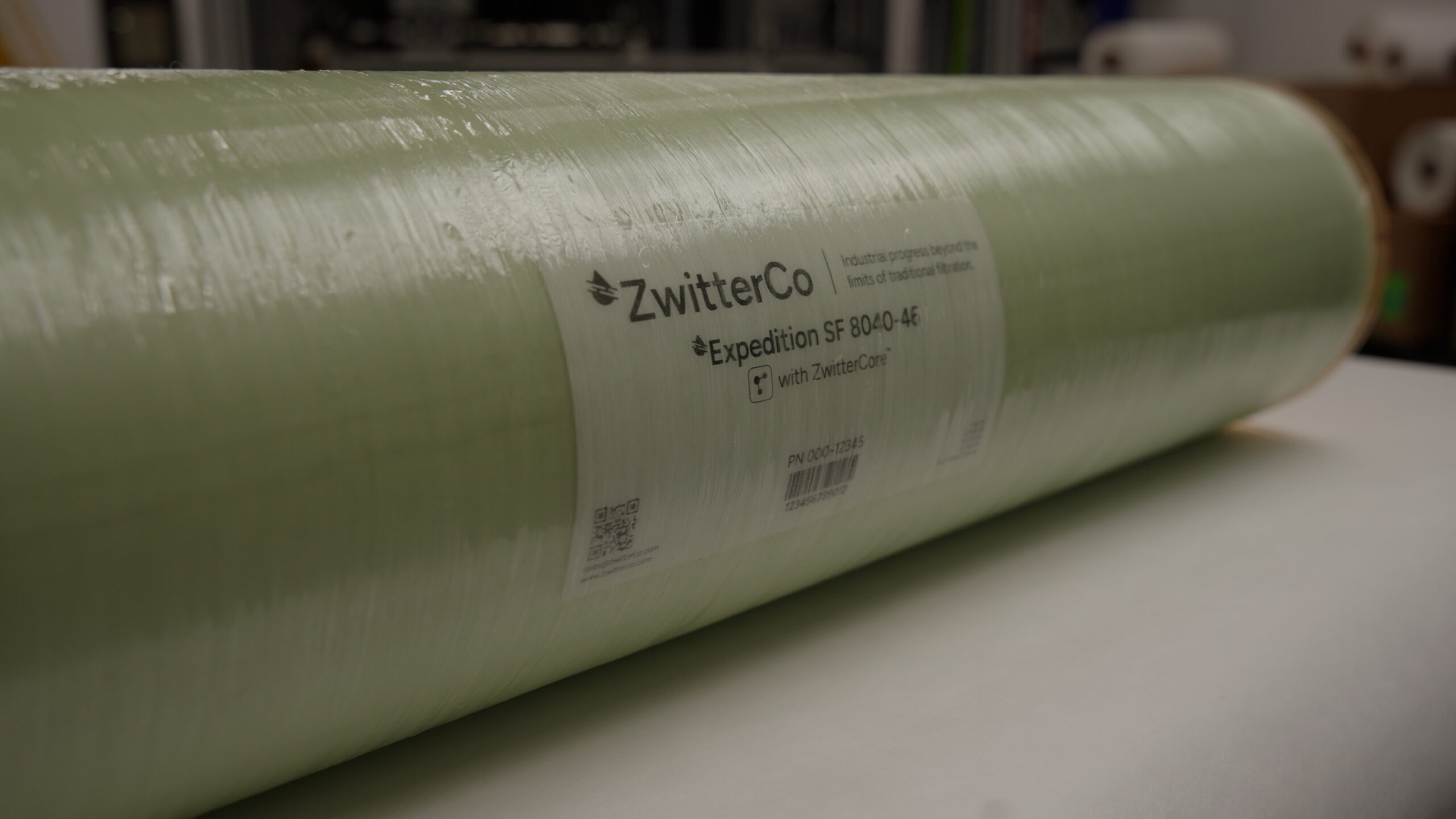
ZwitterCo Evolution Protein Concentration Membrane (PCM) elements change how these systems operate by addressing the root cause of inefficiency: organic fouling.
The Role of Fouling in Resource Consumption
Soy protein streams contain high levels of organics, including proteins and other compounds that accumulate at the membrane surface during filtration. This buildup forms a thick gel layer that restricts flow and drives the need for frequent and complex cleaning programs.
Conventional ultrafiltration (UF) membranes are susceptible to this type of fouling. As a result, cleaning programs often involve multiple steps such as alkaline washes, acid washes, enzyme treatments, and repeated flushes. When all flushing steps are accounted for, these programs can extend well beyond their core stages, increasing water use and wastewater generation.
Each step adds to the total demand for chemicals, freshwater, and energy, while also increasing downtime.
Anti-Fouling Chemistry and Its Impact
Evolution PCM membranes use a patented zwitterionic chemistry that forms an extremely hydrophilic surface that actively repels organic foulants, which reduces the ability of proteins and other compounds to adhere and foul the membrane, resulting in thinner gel layers.

By minimizing gel layer formation, Evolution PCM membranes maintain higher sustainable operating flux and are able to recover more effectively during cleaning. This performance difference directly impacts how cleaning programs are designed and executed.
Simplifying Cleaning Programs
One of the most immediate sustainability benefits of Evolution PCM membranes is the ability to simplify cleaning programs. Because they are anti-fouling, these membranes reduce the need for complex, multi-step cleaning sequences.
Evolution membranes have demonstrated shorter, faster cleaning programs with fewer steps compared to conventional membranes. In many cases, this includes removing or reducing certain cleaning steps, such as enzyme washes.
Simplifying cleaning programs has a direct effect on resource consumption across the system.
Reducing Chemical Usage
Cleaning chemicals represent a significant portion of both operating cost and environmental impact in soy protein processing. By reducing the number of cleaning steps, Evolution PCM membranes decrease the volume of chemicals required for each cleaning cycle.
Field and modeled data show that Evolution membranes can reduce cleaning-related chemical costs by more than 50%. This reduction is driven by eliminating or minimizing steps that rely on high-cost cleaning agents. Lower chemical usage also reduces handling requirements and downstream treatment needs.
Lowering Water Demand and Wastewater Generation
Every cleaning step requires freshwater for mixing solutions and flushing the system. Reducing the number of steps in a cleaning program directly reduces total water consumption.
Evolution membranes have been shown to decrease freshwater demand and reduce the volume of wastewater generated during cleaning operations. This is especially important in soy protein processing, where water management and discharge limits are becoming increasingly important. Less wastewater generation also reduces the load on treatment systems, contributing to overall operational efficiency.
Decreasing Energy Requirements
Energy use in membrane systems is closely tied to cleaning. Heating cleaning solutions, circulating fluids, and running extended cleaning cycles all contribute to energy demand.
By enabling shorter and simpler cleaning programs, Evolution PCM membranes reduce the total energy required for cleaning. In addition, cleaning can be performed more efficiently due to improved cleanability, further lowering energy consumption.
Supporting Sustainable Production Through Higher Efficiency
Sustainability improvements are not limited to reducing inputs. Evolution PCM membranes also contribute to more efficient production by maintaining higher sustainable average flux.
Higher flux allows processors to maintain throughput while optimizing resource use across the system. Combined with simplified cleaning programs, this leads to more productive operations with lower overall resource intensity.
Evolution PCM membranes are designed as direct replacements for conventional 5–30 kDa UF membranes, allowing processors to implement these improvements without requiring system modifications.
A Practical Approach to More Sustainable Soy Protein Processing
Soy protein processors are working to balance production demands with sustainability goals. Membrane systems are a critical part of that equation, particularly in concentration steps where cleaning programs drive resource consumption.
Evolution PCM membranes improve sustainability by reducing chemical usage, lowering freshwater demand, decreasing wastewater generation, and reducing energy requirements. These gains are achieved through a simpler, more efficient cleaning program enabled by anti-fouling membrane chemistry.
Interested in evaluating Evolution PCM membranes for soy protein concentration? Contact ZwitterCo to discuss how a direct replacement can reduce cleaning demand and improve sustainability in your process.