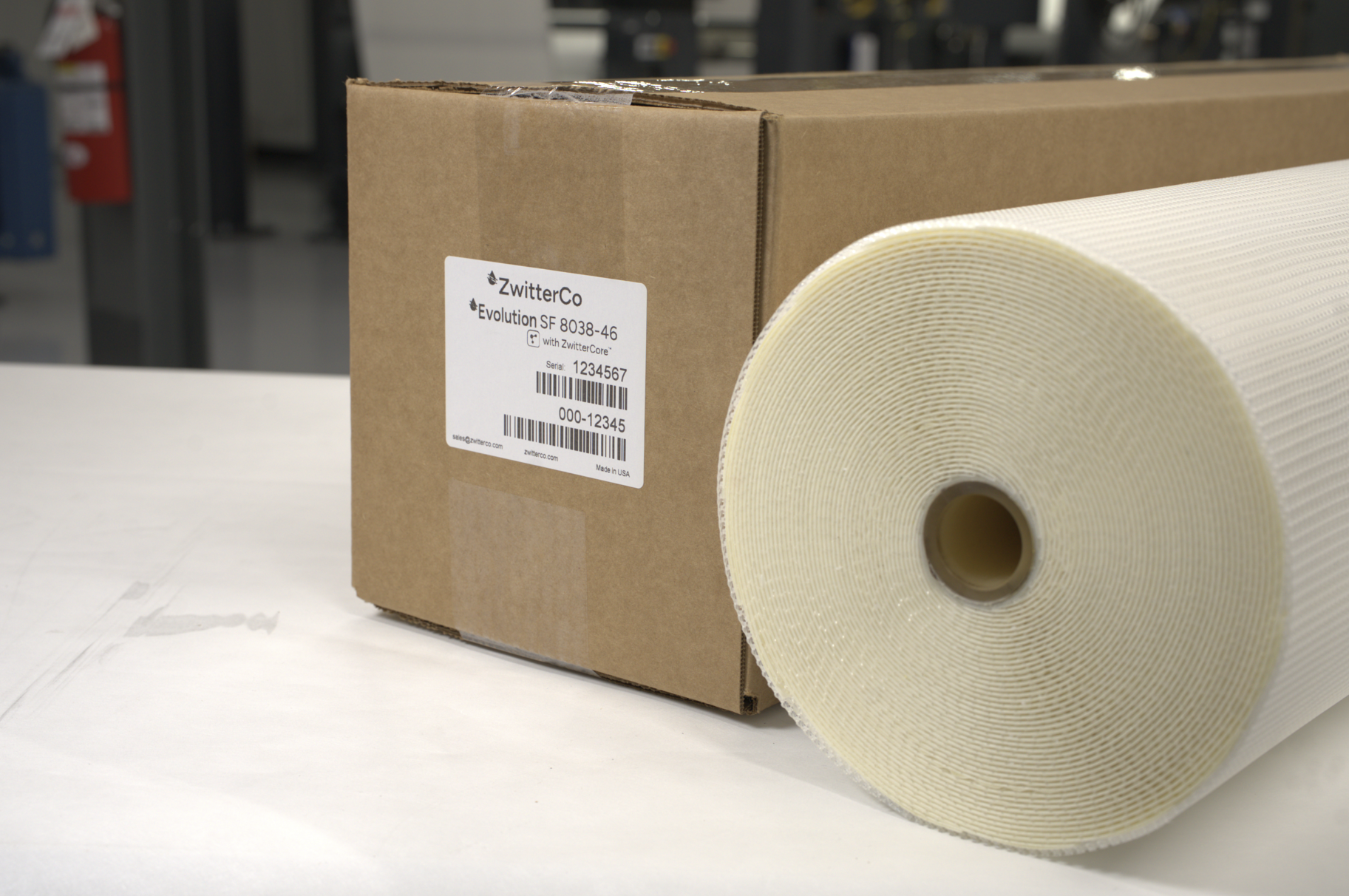
ZwitterCo just launched ZwitterCo Unfiltered – a new podcast series focused on real-world membrane performance, customer questions, and field experience. Episode 1, hosted by Jon Goodman (VP of Food Processing & Specialties, ZwitterCo) and Scott Brown (Senior Business Development Manager, ZwitterCo) focuses on the Evolution product line for food processing applications – think dairy, biotech, enzymes, fermentation, and other organics-heavy process streams.
The big customer question: “Why is clean water flux lower… but operating flux is higher?”
Jon opens with a question they hear often, especially in protein concentration:
Why do ZwitterCo Evolution Protein Concentration Membranes (PCM), positioned as replacements for conventional 10 kDa membranes in protein concentration, sometimes show lower clean water flux, yet deliver higher operating flux when running real product?
The answer they landed on was refreshingly practical: clean water flux was not the same as production performance, because real process streams formed a gel layer (dynamic barrier layer) on the membrane surface. In protein-rich streams, that layer could be made up of proteins, fats, and other organics – and it was often the true limiter of performance.
The core takeaway was straightforward: if operating flux was higher on product, it strongly suggested the system was building a thinner or less resistive gel layer on ZwitterCo’s membrane surface.
Jon’s analogy was simple and memorable: it was like frying eggs on a Teflon pan versus a cast iron skillet. Less sticking on the surface (Teflon pan) translated into better operating performance, even if the clean-water number looked lower on paper.
Scott added an important nuance: you still needed a layer to get separation – but it didn’t have to be as stubborn. A less “sticky” barrier could also mean easier cleaning, faster cleaning, and potentially less harsh chemistry.
What higher flux unlocked at higher solids
They also talked about the back end of concentration systems, where viscosity climbed and flux usually dropped. Scott described field trials showing major operating-flux gains (often cited as 50-100%), especially at higher solids. The practical upside was that plants could push more product or drive solids higher without adding another loop, more stainless steel, or a bigger dryer – turning membrane performance into real throughput and capacity gains.
Field story: seal water treatment with dramatically less biofilm
Scott shared an installation treating pump seal water that was cleaning RO permeate before discharge back to a river. With conventional elements, the customer had seen heavy biofilm buildup downstream and frequent cleaning. After installing ZwitterCo Evolution elements in July, Scott said the customer hadn’t cleaned that downstream system once through the end of November. They had also simplified the cleaning program by dropping the enzyme wash, cutting downtime, and getting back on product faster.
The episode underscored why Evolution-focused applications stood to gain the most: when membranes minimized adhesion in organic-heavy streams, operating flux improved, cleaning became easier, and production limits shifted upward.