Mobile water treatment providers operate under a different set of constraints than fixed facilities. Systems must be deployed quickly, perform reliably across changing feed conditions, and meet strict discharge or reuse targets without extended commissioning or optimization.
Reverse osmosis is often the backbone of these systems. It is expected to deliver high recovery, stable flux, and consistent permeate quality, even when treating industrial wastewater with elevated organics and high TDS.
That expectation breaks down quickly with conventional membranes.
The Reality of Conventional RO in Mobile Deployments
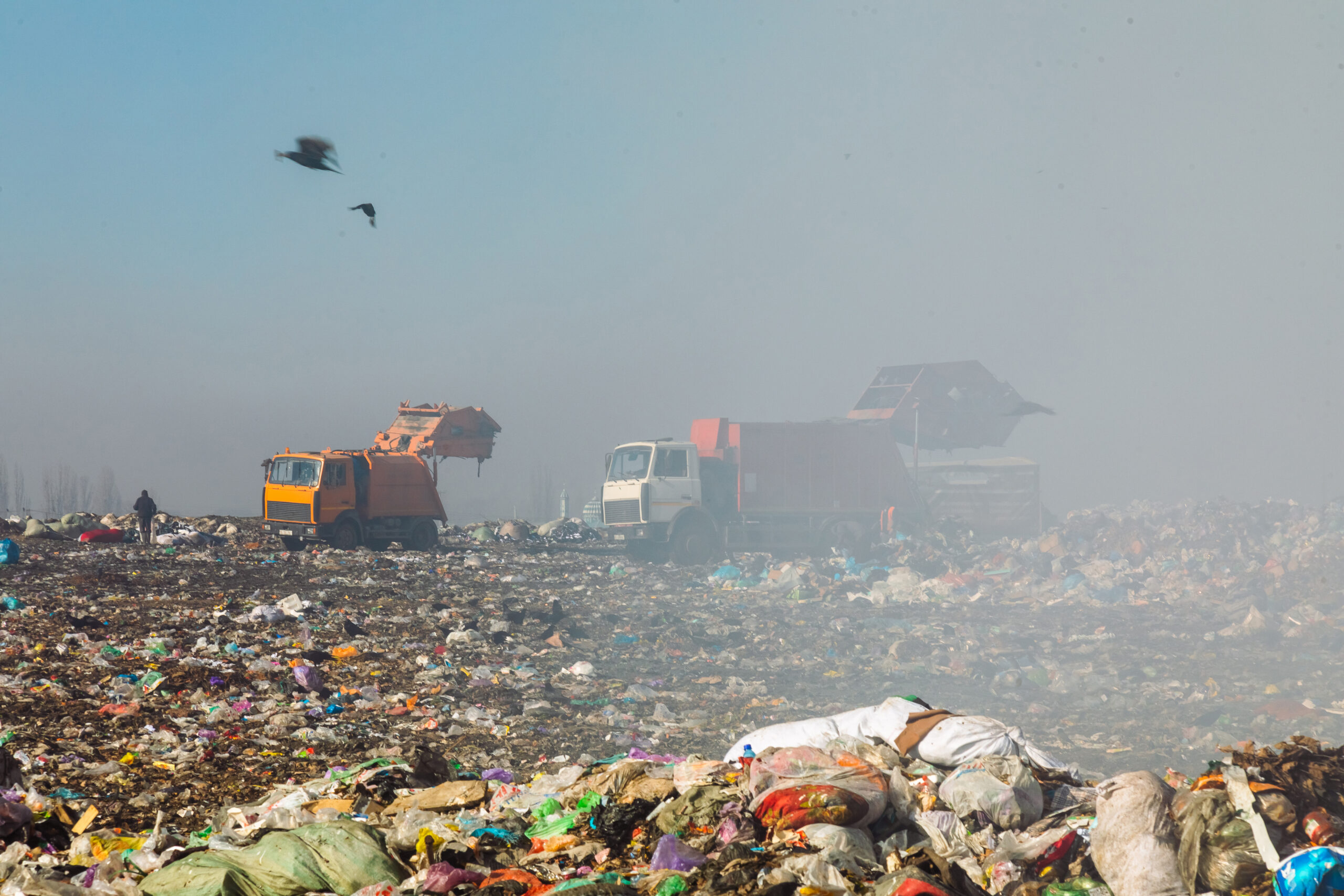
Mobile systems are frequently sent into environments where feedwater quality is unpredictable. Industrial wastewater streams from food processing, refineries, or landfill leachate can shift day to day, bringing swings in COD, oil, and other organic content.
Conventional RO membranes are not designed to handle that variability. Organic compounds adhere to the membrane surface, leading to rapid and often irreversible fouling. Over time, this results in:
- Frequent cleanings that interrupt operation
- Declining flux and unstable system performance
- Difficulty maintaining high recovery
- Shortened membrane life and premature replacements
- Rising operating costs tied to chemicals, labor, and downtime
For mobile providers, these issues compound quickly. Every additional cleaning cycle reduces system availability. Every performance drop puts discharge compliance at risk. Every membrane replacement affects project economics.
What Mobile Operators Actually Need
Mobile water treatment is fundamentally about reliability under pressure. Systems must run consistently across sites, not just under ideal conditions.
That means membranes must be able to:
- Maintain stable flux despite feed variability
- Recover performance fully after cleaning
- Operate with fewer interruptions
- Support high recovery without constant adjustment
Without these capabilities, mobile systems become reactive instead of predictable.
A Different Approach to Fouling Resistance
ZwitterCo Elevation RO membranes are built specifically to address the limitations of conventional RO in streams affected by organics. They use ZwitterShield™, an additive membrane technology that permanently bonds zwitterionic chemistry to existing membrane surfaces.
This chemistry is highly hydrophilic and forms a tightly bound hydration layer. That layer acts as a physical and chemical barrier, preventing organic compounds like oils and proteins from adhering to the membrane surface.
The result is a different fouling behavior. Instead of accumulating and becoming irreversible, foulants are less likely to attach in the first place and are easier to remove during cleaning.
What This Changes in Mobile Applications
For mobile water solution providers, this shift shows up directly in operations. Cleaning frequency drops significantly, with reductions of up to 90% reported in RO systems using this technology. Chemical usage also declines. Because membranes can be cleaned effectively with commodity chemicals like caustic and acid, operators avoid reliance on expensive formulated cleaners. This can reduce cleaning costs by more than 50% per deployment. Performance stability improves as well. Elevation membranes are designed to maintain consistent flux and recover fully after each cleaning cycle, even when feedwater conditions fluctuate.
This combination allows mobile systems to run longer between interventions, maintain higher uptime, and deliver predictable results across multiple job sites.
Proven Performance in Variable Industrial Wastewater
In one mobile deployment treating sugar refinery wastewater, Elevation High Rejection RO membranes consistently removed more than 90% of approximately 3,000 ppm COD while maintaining stable flux and high recovery.
The system handled variable feed conditions without performance collapse and was cleaned effectively using only commodity chemicals. That type of consistency is what mobile operators need when moving from site to site without the ability to redesign systems for each application.
Built for Rapid Deployment
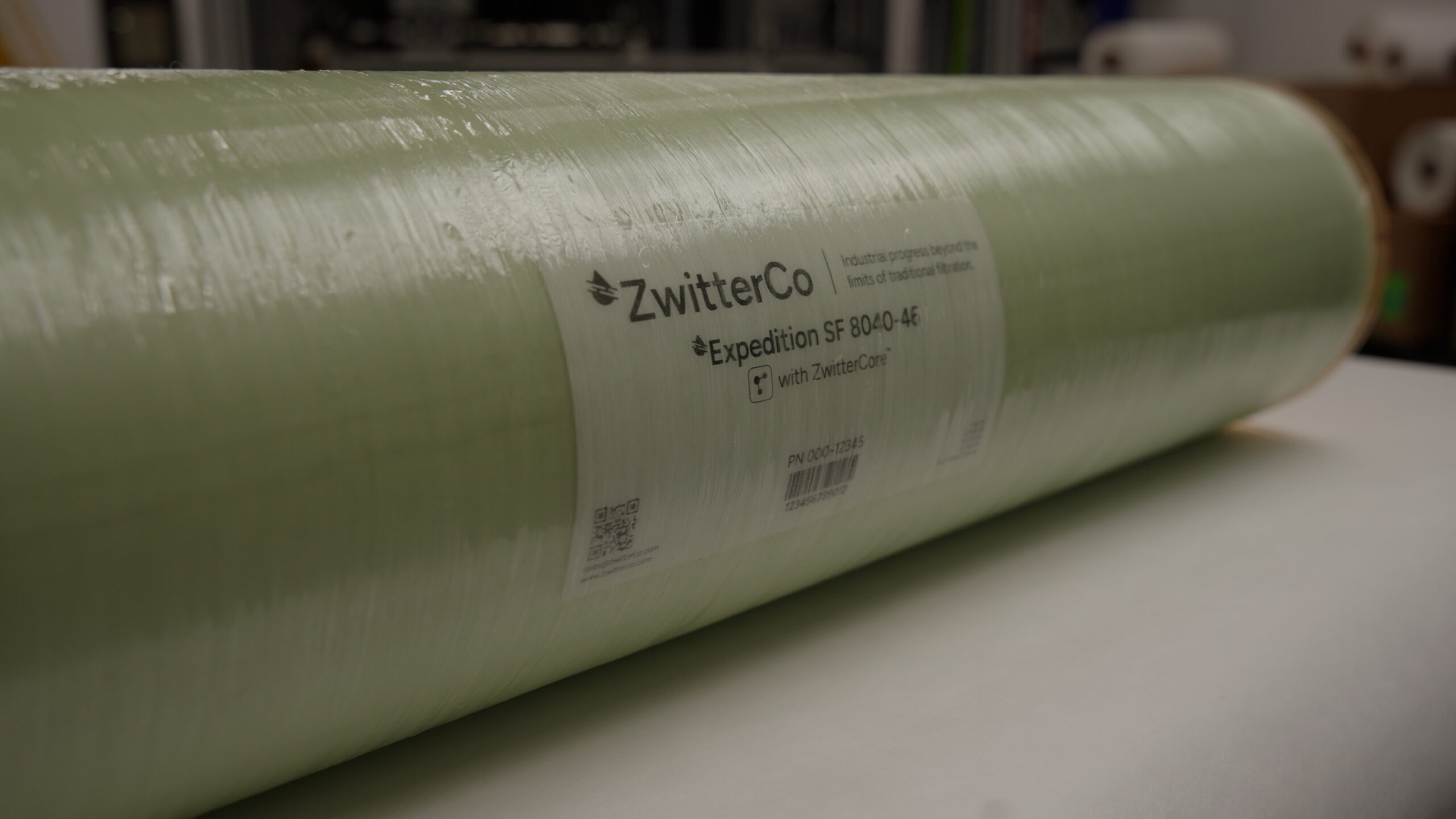
Mobile providers also need solutions that integrate quickly. Elevation membranes are available in standard industry sizes and are designed as direct replacements for conventional RO elements.
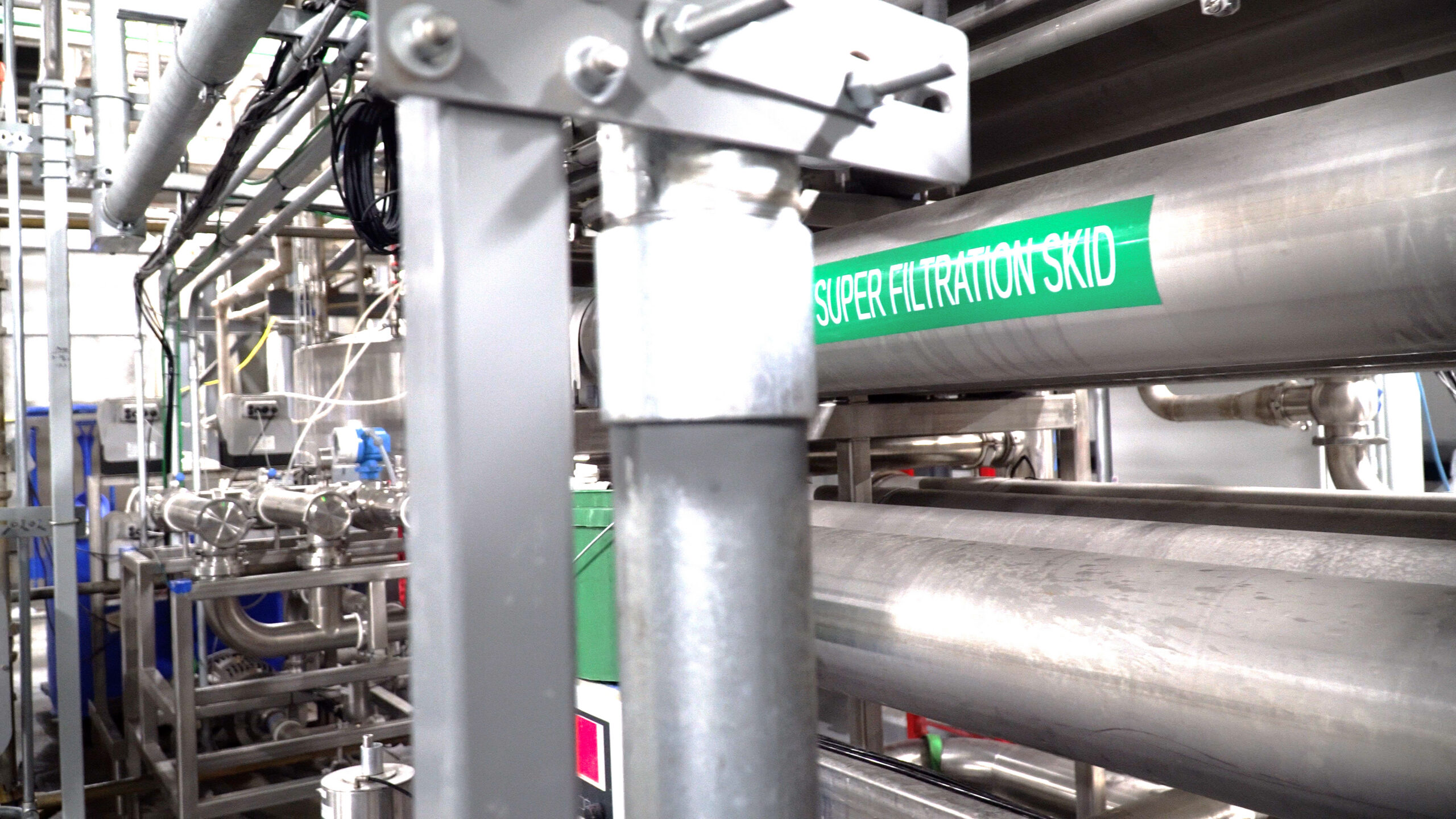
There is no need for system redesign or new equipment. Membranes can be installed into existing skids and deployed immediately, which is critical for emergency response and short-term contracts.
Where This Matters Most
The benefits are most pronounced in applications where organic fouling is unavoidable:
- Landfill Leachate
- Food & Beverage Wastewater
- Refinery & Petrochemical Wastewater
- Bioprocess Wastewater & Digestate
- Chemical Processing Wastewater
- Textile & Tannery Wastewater
- Mining Wastewater- Tailing ponds, Process Wastewater and Rare Earth Brines
- Steel & Metal Finishing Wastewater
- Paper & Pulp Wastewater
- Mining wastewater – tailing
Moving Faster Without Sacrificing Reliability
Mobile water treatment is often driven by urgency. Whether responding to capacity constraints, regulatory pressure, or temporary process changes, providers are expected to deliver quickly.
Membrane performance should not be the limiting factor.
Elevation membranes offer:
- Up to 90% Fewer Cleanings
- 50%+ Lower OPEX per Deployment
- Consistent Performance Across Sites
- Faster Turnaround Between Jobs
By reducing cleaning frequency, stabilizing flux, and extending membrane life, ZwitterCo Elevation membranes allow mobile systems to operate more predictably. That translates directly into faster turnaround between jobs, lower operating costs, and fewer disruptions in the field.
For providers managing multiple deployments, those gains compound across every project.
Have a project and need an immediate solution, or want to test our membranes? Get in touch and we’ll help you evaluate the fit and move fast.