Discussions around dairy and plant proteins usually stay focused on the end product. Inside the plant, the constraints look very different.
Both dairy and plant protein systems are defined by high-organic streams moving through membrane processes. Proteins, fats, carbohydrates, and suspended solids all interact with the membrane surface during concentration. That interaction determines how long a system can run, how stable it is, and how often or how long it needs to be cleaned.
High-organic streams drive the same core challenge
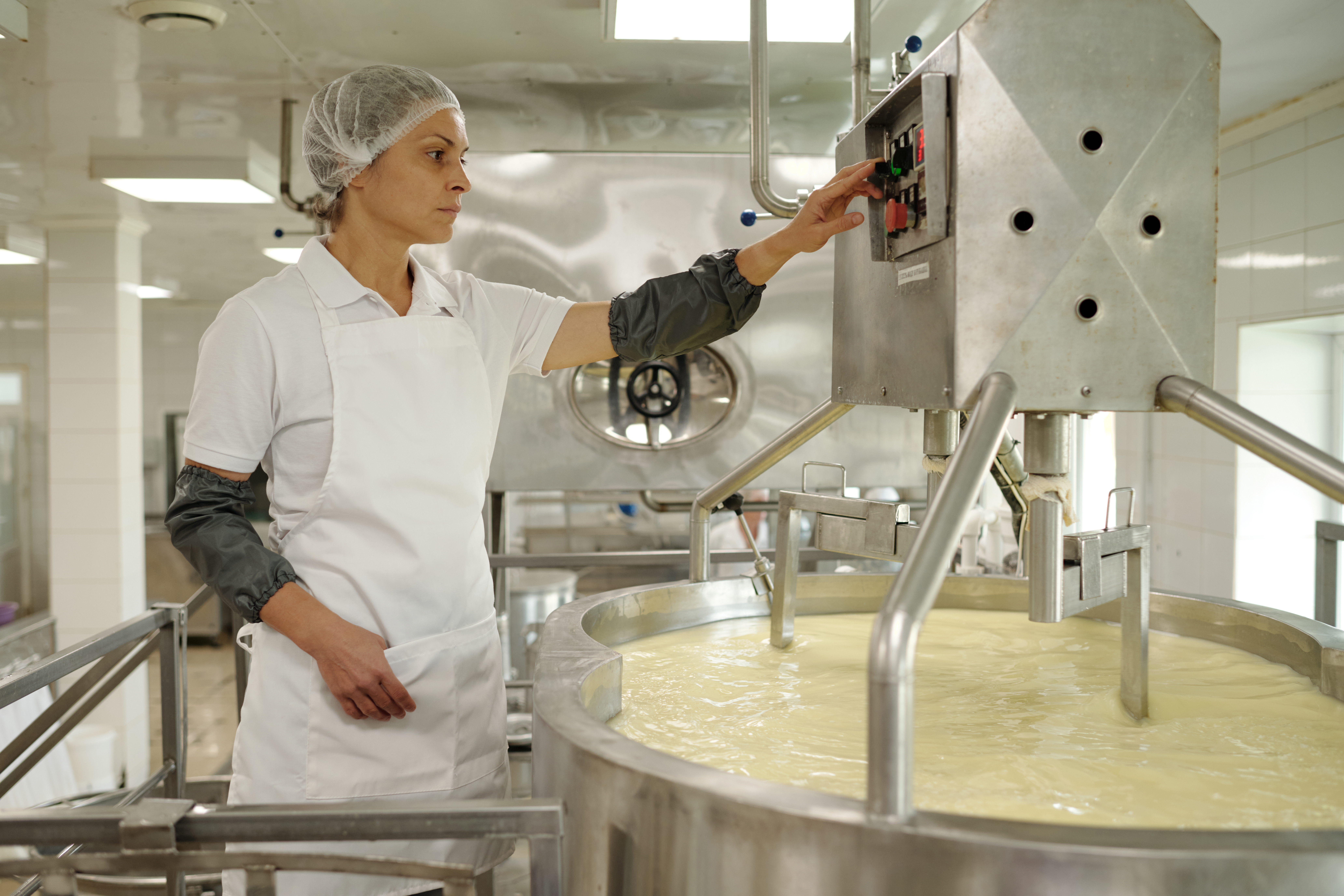
Whey from dairy processing and plant protein feed streams may come from different sources, but they behave similarly during filtration. As concentration increases, organic material accumulates at the membrane surface. Proteins form a gel layer that restricts flow. Fats and other components can adhere to the surface or within the membrane structure. Over time, flux declines and resistance builds.
This is the limiting factor in both types of systems. It is not a question of whether fouling occurs, but how quickly it develops and how effectively it can be minimized.
Plant protein systems foul more aggressively
Dairy processing has been optimized over decades. Feed streams are relatively consistent, and system design is well established. Fouling still occurs, but it is often predictable within defined operating ranges.
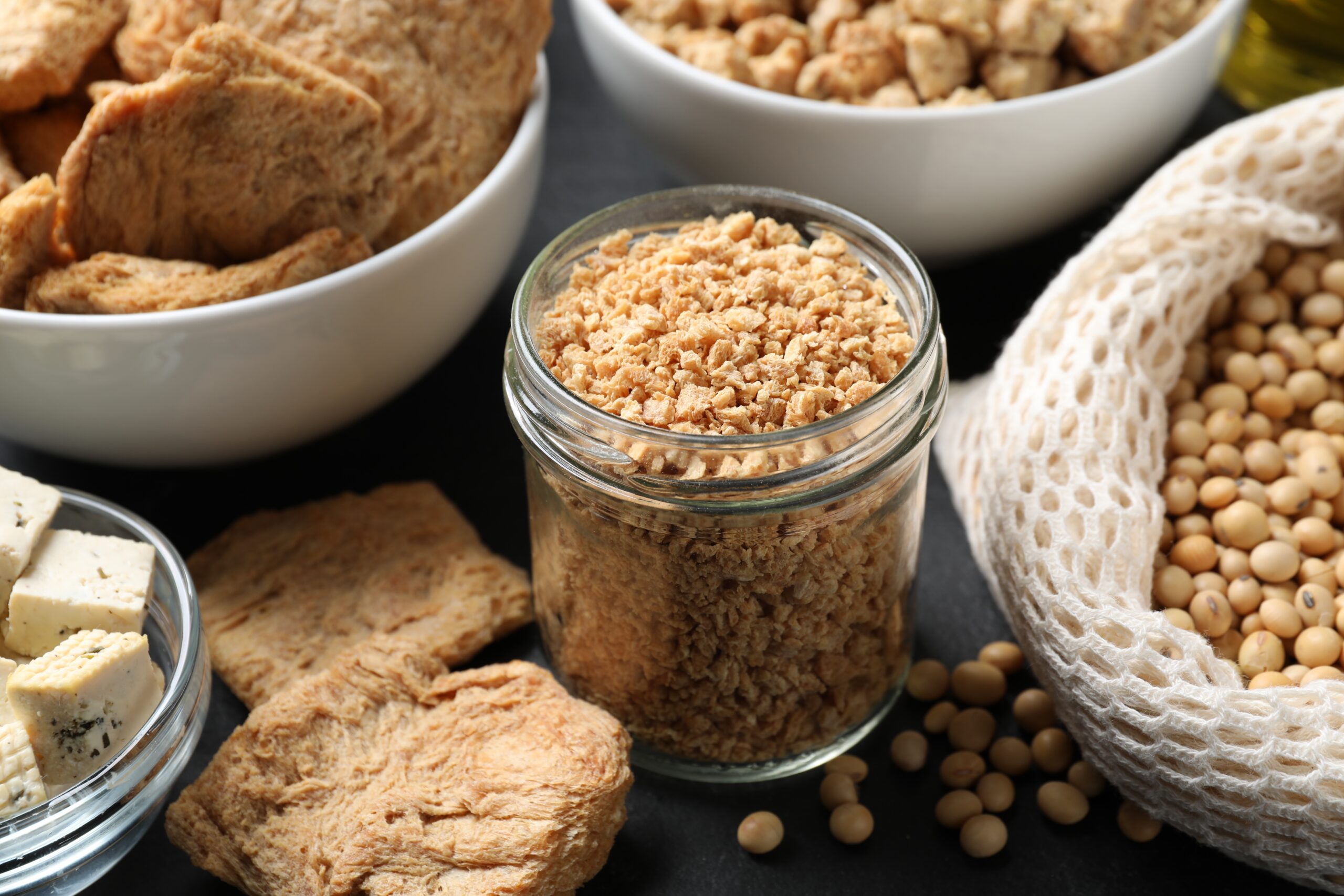
Plant protein systems introduce more variability. Feed streams can contain higher levels of insoluble solids, fine particulates, and complex carbohydrates. These components build thicker fouling layers and can block membrane pores more quickly, especially without effective pretreatment.
The impact shows up immediately in operation. Sustainable flux drops faster. Cleaning program length increases. Systems spend more time recovering performance and less time producing.
Cleaning programs expand quickly
As fouling increases, the cleaning program becomes more complex. A standard sequence of alkaline wash, acid wash, and sanitization often expands once flushes and intermediate steps are included. What appears to be a simple four-step process can grow to 11 steps or more in practice.
Each step adds time, chemical usage, water consumption, and wastewater generation. Every additional step also takes the system offline.
Plant protein operations tend to reach this point faster because fouling develops more quickly. Dairy systems encounter the same issue as they push toward higher solids and tighter process targets.
Why membrane material matters
Fouling is driven by the feed, but it is also influenced by the membrane surface. Conventional membranes allow organics to adhere and accumulate, leading to thicker gel layers and more difficult cleaning. As that layer builds, it becomes harder to restore performance, even with aggressive cleaning.
ZwitterCo Evolution anti-fouling membranes use a different material approach. Their zwitterionic chemistry forms an extremely hydrophilic surface that attracts water and repels organic compounds. This reduces adhesion at the membrane surface and limits gel layer formation. With less buildup, membranes maintain higher operating flux and recover more effectively during shorter, easier cleanings.

What this changes in operation
The effect of reduced fouling shows up in two areas that directly impact production.
First, higher sustainable flux. When the gel layer is thinner, resistance is lower and systems can maintain performance at higher solids. This has been observed in protein concentration testing, where Evolution membranes demonstrated higher flux compared to conventional ultrafiltration (UF) membranes with no difference in permeate quality.
Second, simpler cleaning programs. With anti-fouling membranes, fewer steps are required to restore performance. Evolution membranes have been shown to reduce cleaning program complexity, which can translate into more than an hour of time returned to production for each step removed. These changes directly affect productivity, uptime, operating cost, and system stability.
One platform for both dairy and plant protein concentration
The same operational constraints exist across dairy and plant protein systems. The severity differs, but the mechanism is consistent.
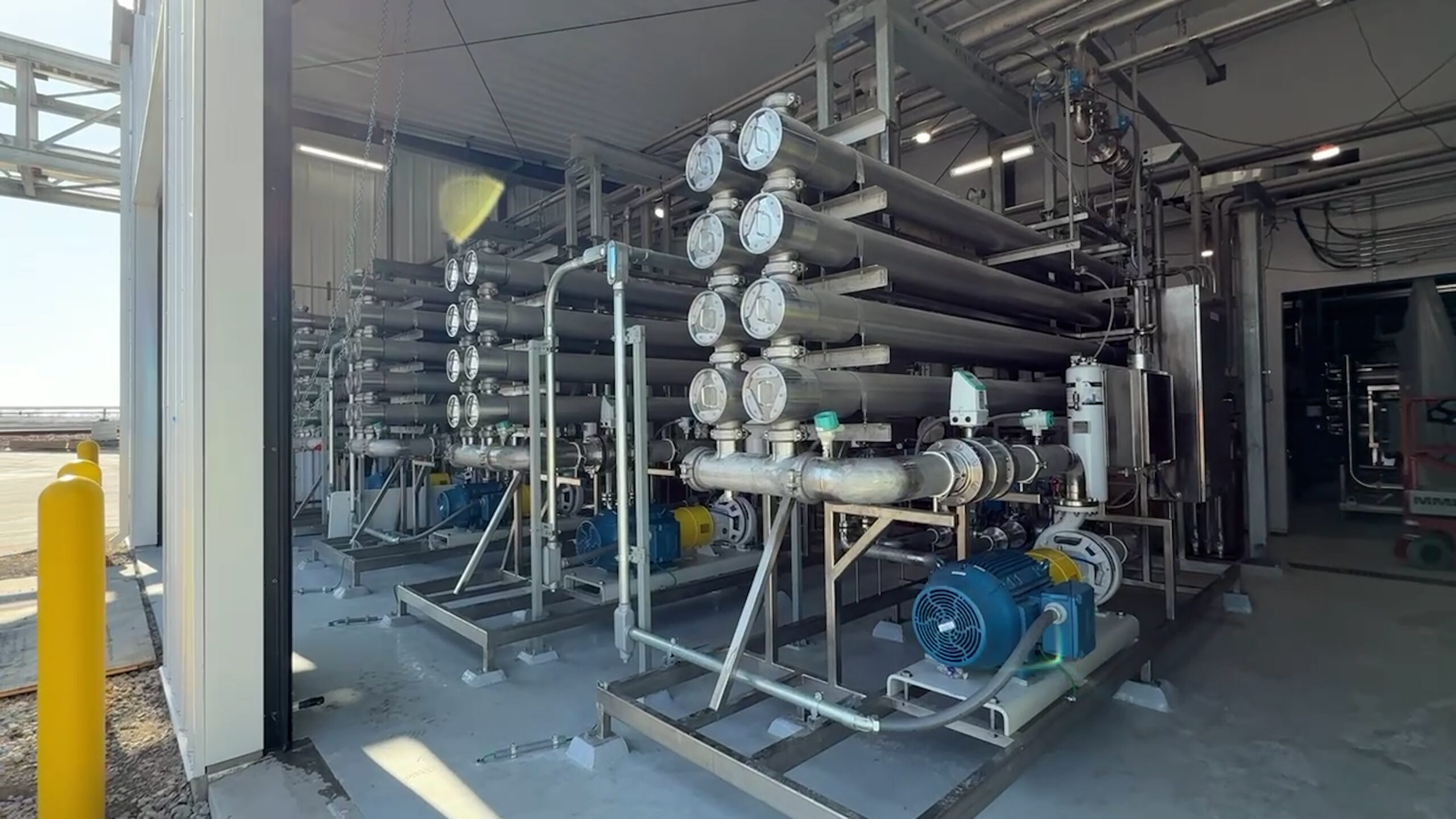
Evolution Protein Concentration Membrane (PCM) is designed to address this environment. It is a UF membrane intended as a direct replacement for conventional 5–30 kDa UF elements in protein concentration systems.
PCM is commonly used in:
- Whey and milk protein concentration
- Plant protein concentration
- Enzyme concentration
It is built for high-solids, high-organic streams where fouling limits performance. Testing has shown that PCM can achieve higher operating flux than conventional UF membranes and maintain permeate quality, all while simplifying cleaning programs.
The takeaway for processors
Dairy and plant protein processing share the same operational constraint: managing fouling in high-organic streams.
Plant protein systems encounter this constraint earlier and more aggressively. Dairy systems are moving in the same direction as production targets increase.
Membrane performance is defined by how well that fouling is controlled over time. Higher sustainable flux, faster recovery during cleaning, and fewer cleaning steps all translate directly into higher productivity and lower operating cost.
Evolution PCM was developed to operate in this environment across both applications.
If you are evaluating membrane performance in dairy and food processing or plant protein concentration, contact ZwitterCo to learn how Evolution membranes can improve productivity and simplify cleaning programs.