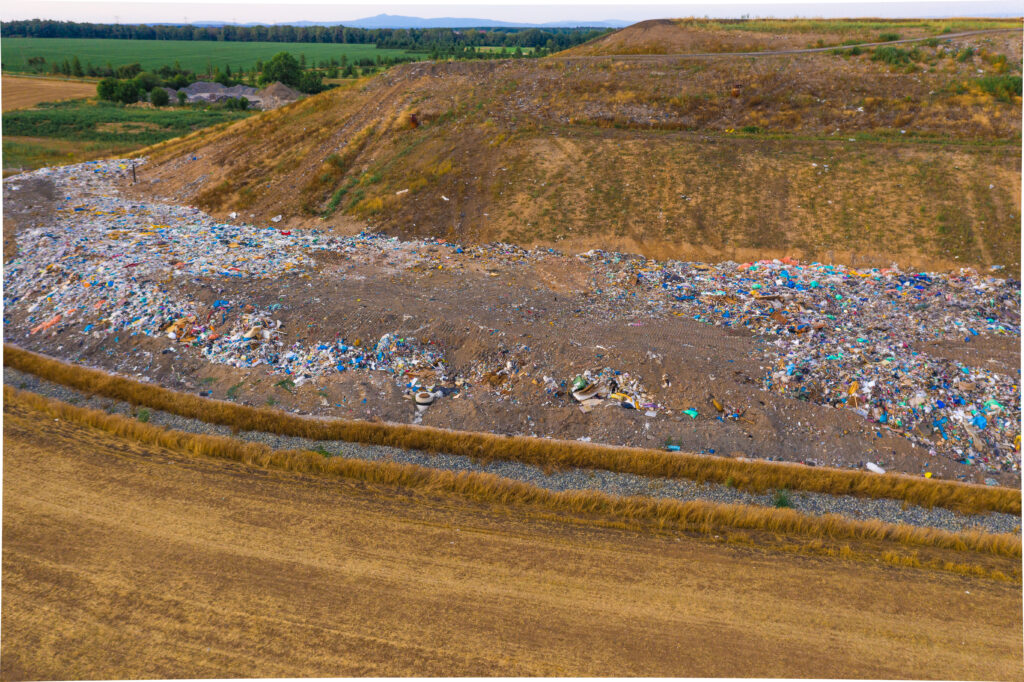
UK landfill operators face rigorous regulatory frameworks enforced by the Environment Agency (EA) in England and SEPA (Scottish Environment Protection Agency) in Scotland. Leachate – especially from municipal and hazardous waste landfills – is a complex wastewater composed of high organic loads (COD, TOC), ammonia, and occasionally elevated TDS. Effective treatment is essential to secure discharge consents and protect both surface and groundwater from contamination.
Environmental permits in both jurisdictions require operators to propose, and then meet, specific numeric limits for effluent quality, such as COD, ammonia, and suspended solids. These limits are based on the outcome of a groundwater risk assessment and are enforceable via permit conditions.
Regulatory Requirements: EA & SEPA
Landfill operators must ensure their leachate treatment systems deliver quality meeting site-specific limits. The EA sets these based on environmental risk and national water quality objectives. Operators must routinely monitor discharge quality and adhere to their permit’s data requirements, especially for parameters like COD and ammonia.
SEPA follows a similar framework, often requiring full nitrification of ammoniacal-N and tight control of organic loads. The UK-wide Leachate Treatment Guidance notes that leachate composition evolves through landfill lifecycle stages – early acidogenic phases yield high COD and ammoniacal nitrogen, while later phases tend toward reduced organics but stable high nitrogen levels. Biological treatments – like SBR with nitrification and denitrification – are widely adopted as the Best Available Technique (BAT) in the UK.
The Challenge of Fouling in Traditional RO Systems
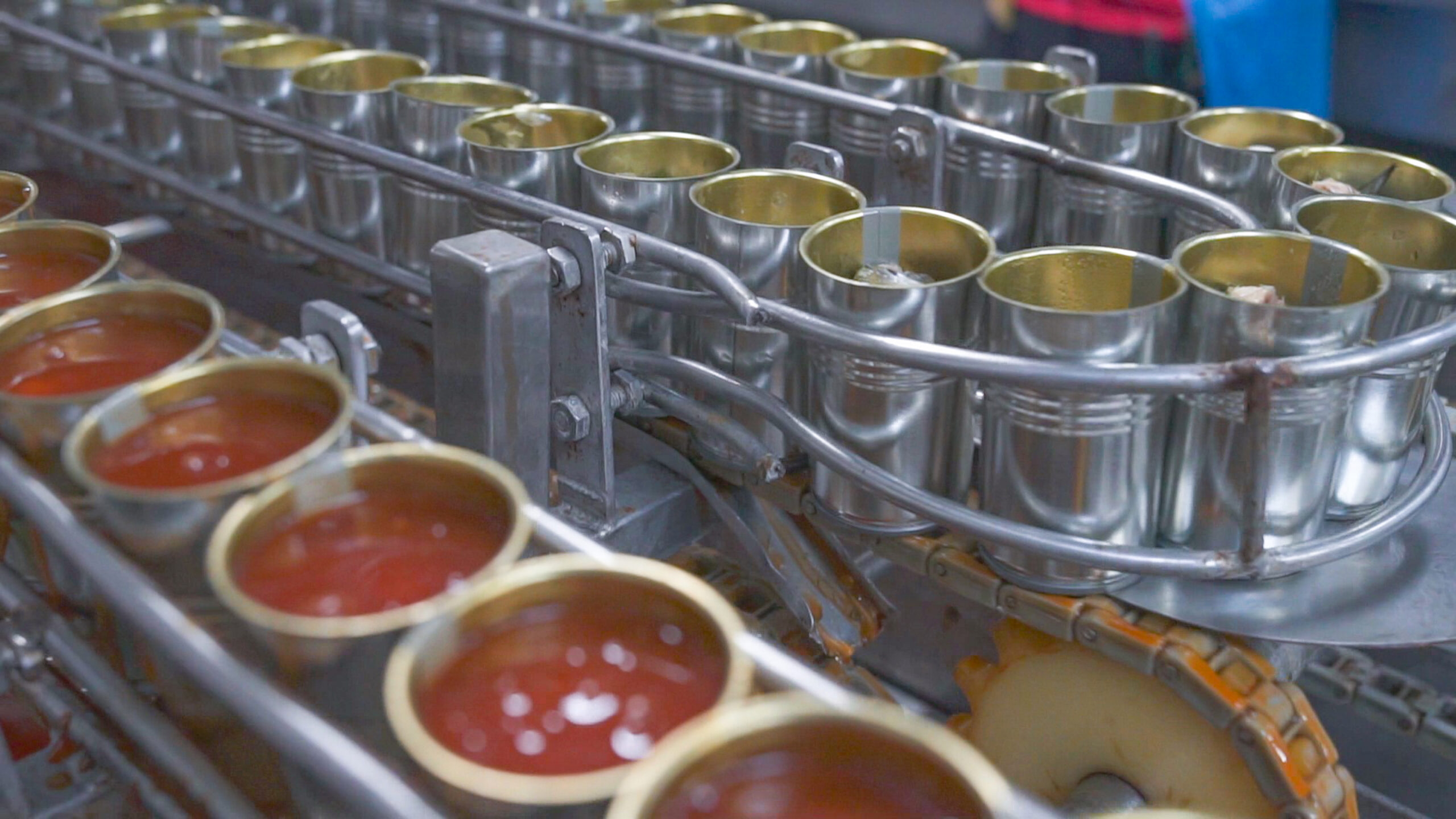
Reverse osmosis (RO) is increasingly used for treating landfill leachate and polishing treated leachate, offering high rejection of organics, nutrients, and elevated TDS. However, traditional RO membranes often struggle with fouling – organics, O&G, and variable feed water quality result in rapid performance degradation, increased cleaning frequency, chemical usage, and operational downtime.
This creates an operational and financial burden:
- Frequent chemical cleaning increases OPEX.
- Downtime for cleaning reduces plant availability and output.
- Poor permeate quality can jeopardize permit compliance.
Elevation RO Membranes: A Step-Change in Performance
ZwitterCo Elevation RO membranes are engineered with ZwitterShield™, a permanently bonded & patented zwitterionic chemistry that delivers:
- The industry’s highest feedwater tolerance for TOC, BOD, COD, and O&G.
- A full recovery of flux post-cleaning, unlike many conventional elements.
- Consistently high system uptime, even in streams affected by organics.
- Up to 90% reduction in cleaning frequency and over 50% savings in cleaning costs.
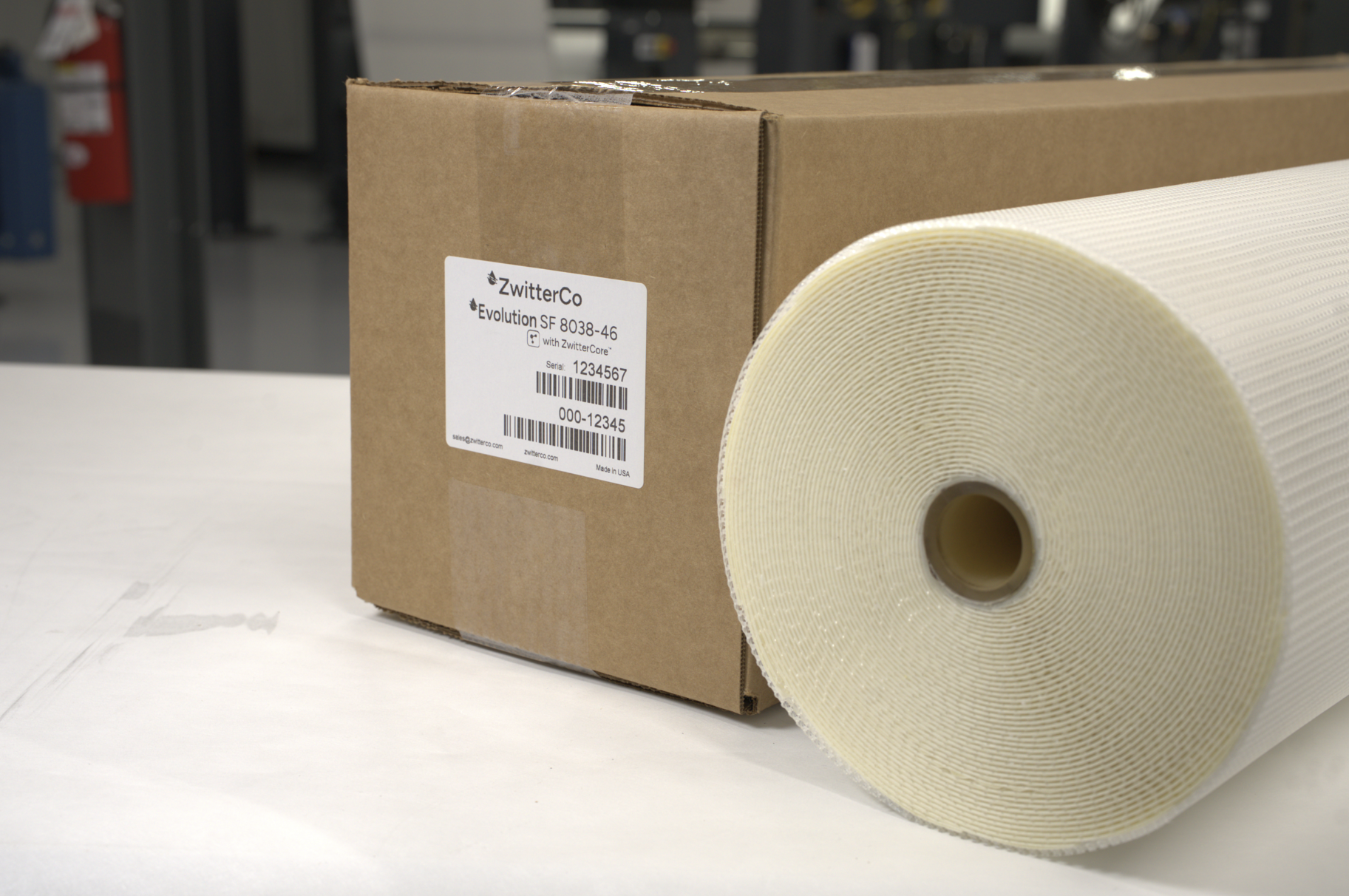
Elevation RO elements are available in standard industrial sizes, allowing one-for-one direct replacement with no system redesign. This provides immediate performance gains and helps existing leachate treatment systems maintain compliance.
Expedition Superfiltration, powered by ZwitterCore™, is also available for pretreatment in leachate applications. It removes more than 99% of FOG and turbidity, handles up to 5% FOG, high solids, and organics. The membranes are compatible with chlorine cleaning, providing stable clarification and improving downstream RO performance.
Operational & Environmental Benefits
1. Reliable Permit Compliance
- Stable permeate quality supports consistent compliance with site-specific COD and ammonia limits.
- Reduced operational variation enhances confidence in meeting EA and SEPA discharge conditions.
2. Lower OPEX & Higher Uptime
- Fewer chemical cleanings reduce both chemical cost and frequency of shutdowns for maintenance.
- Operators can plan maintenance more strategically – less reactive, more proactive.
3. Sustainability & Resource Efficiency
- Reduced cleaning frequency conserves water and chemicals.
- Efficient leachate polishing supports integration with environmental goals for reduced chemical footprints and associated carbon emissions.
Compliance as a Strategic Advantage
By deploying Elevation RO membranes:
- Landfill operators transform compliance from a compliance burden into an operational strength.
- They can achieve long-term permit conformity with minimal disruption and cost variability.
Meeting EA and SEPA discharge consents for landfill leachate has traditionally required complex and costly treatment strategies. ZwitterCo Elevation RO membranes simplify this challenge – providing organic fouling-resistant membranes that support reliable compliance and operational efficiency. In doing so, landfill operators can transform permit requirements into long-term opportunities for cost savings, sustainability, and regulatory confidence.
Ready to meet EA & SEPA discharge consents with confidence? Contact ZwitterCo to talk through your leachate treatment challenges and see whether Elevation membranes are the right fit for your application.