Climate-driven water scarcity is reshaping how industrial facilities operate. Drought, tightening discharge limits, and rising freshwater costs are forcing manufacturers, processors, and energy producers to rethink how they manage and reuse water. In many cases, water reuse barriers are not strategic – they’re technical. Most membrane systems cannot handle streams affected by organics without rapid fouling, high chemical use, and frequent downtime.
ZwitterCo was founded to address this limitation directly. By applying zwitterionic chemistry – an extremely hydrophilic material that forms a stable, hydrated barrier – ZwitterCo’s membranes prevent organic compounds from adhering to the membrane surface. This provides the fouling resistance required to make water reuse practical for streams that were historically uneconomical or operationally risky to treat. Today, ZwitterCo’s membrane solutions are supported by a global customer base and long-term investment from Evok Innovations, DCVC, and BHP among others.
A New Path Forward for Treating Previously Untreatable Wastewater
When industries attempt to treat water with oils, proteins, color, or other organics, traditional hydrophobic membranes rapidly foul. These organic contaminants adhere to the membrane surface, drive up cleaning frequency, increase chemical usage, and shorten membrane life. For many facilities, this makes wastewater reuse impractical and forces ongoing reliance on increasingly scarce freshwater supplies.
ZwitterCo takes a fundamentally different materials-science approach. Zwitterionic molecules carry both positive and negative charges, creating an extremely hydrophilic surface that binds strongly to water. This forms a persistent, hydrated barrier, repelling organic contaminants and preventing irreversible adhesion.
This patented fouling-resistant performance is the foundation of all ZwitterCo elements, including ZwitterCo Elevation membranes. Built with ZwitterShield™, a permanently bonded zwitterionic chemistry applied to established RO platforms, Elevation membranes serve as a one-for-one replacement with the highest tolerance for TOC, BOD, COD, and oil and grease. They are designed specifically for streams affected by organics. Facilities have seen longer run times, simpler and faster membrane cleanings, reduced chemical costs, and more reliable operation even during feedwater upsets.
Climate Change Is Escalating Water Scarcity – and Raising the Stakes for Industrial Operators
As droughts become more frequent and regions face increasing water variability, industrial facilities need water systems that are resilient to input fluctuations and capable of recovering water previously lost to discharge. Many of the industries essential to the low-carbon transition – renewable energy, hydrogen, advanced materials, and critical minerals – also have rising water requirements but limited local supply.
ZwitterCo’s membrane platform is designed to support this new operational reality. Across global regions, operators are using ZwitterCo technology to transform wastewater into a reusable asset, reduce dependence on freshwater sources, and maintain stable operations despite climate-induced stress.
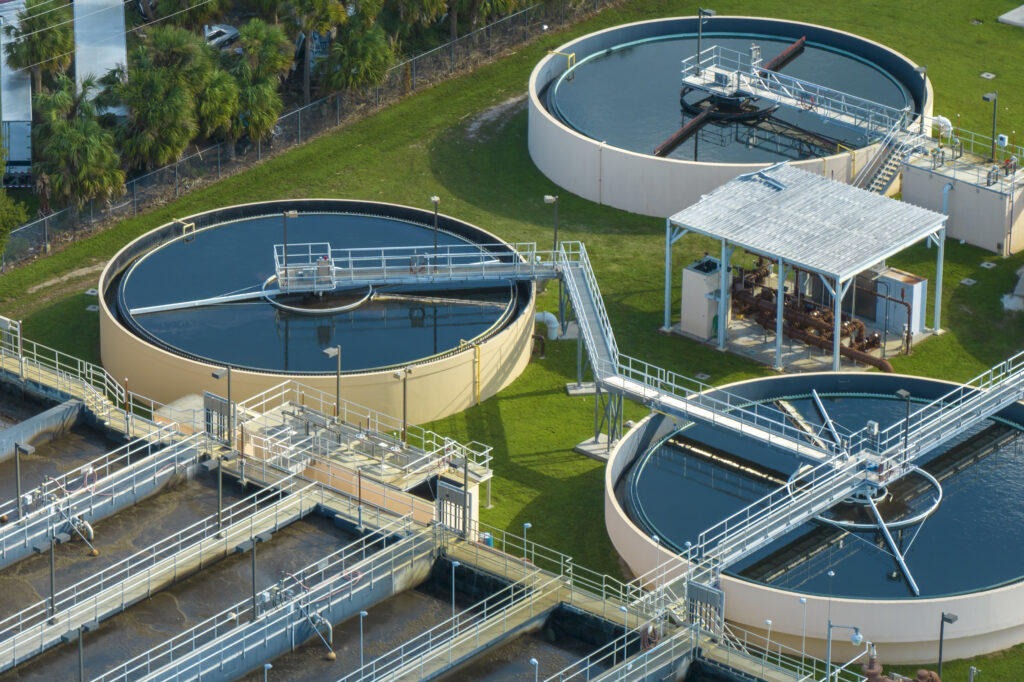
For example, ZwitterCo Expedition SF membranes – built with ZwitterCore™ technology – provide a pretreatment pathway that enables reuse even in water-stressed areas by removing complex organics before polishing or discharge. These solutions open the door to irrigation reuse, industrial reuse, and more resilient wastewater management strategies in regions where water scarcity constrains growth.
Real-World Impact: Reusing 80% of Fermentation Wastewater in a Water-Stressed Region
One bioprocessing manufacturer faced a familiar barrier: high-organic fermentation wastewater that limited biological treatment performance and constrained facility expansion due to a limited freshwater allocation. By integrating ZwitterCo membranes into their treatment system, the site was able to recover 80% of its fermentation wastewater for reuse.
This change reduced freshwater demand, lowered discharge volumes, and allowed the company to expand production of a sustainable protein product without worsening its environmental footprint. This example reflects a broader trend: membrane systems that once struggled with organics can now deliver reliable, repeatable water reuse outcomes because they resist irreversible fouling and fully recover performance after cleaning.
Supporting Industry as Water Regulations Tighten
Across global markets, water regulations are becoming more stringent to address both scarcity and pollution. Meeting these evolving requirements demands technologies that reduce discharge volumes and improve effluent quality without adding operational burden.
ZwitterCo’s membrane solutions contribute directly to regulatory resilience. Our zwitterionic membranes maintain stable performance even when feedwater contains high organics, allowing operators to meet effluent standards with fewer cleaning interventions and lower chemical use. For food and beverage, agriculture, energy, and other industries, the ability to reliably achieve reuse or compliant discharge is increasingly a prerequisite for continued operation and expansion.
Why ZwitterCo Stands Out in Climate Adaptation
ZwitterCo was highlighted as one of the leaders shaping the future of climate adaptation in the recent edition of RBCCM’s Sustainability Matters because it delivers something the industrial market has needed for decades: a membrane platform with inherent resistance to irreversible organic fouling. This reliability enables water reuse in applications that were previously impractical, costly, or operationally risky.
ZwitterCo empowers industry to:
- Treat streams affected by organics without rapid fouling or excessive chemical cleaning.
- Reuse water to reduce strain on over-allocated freshwater systems.
- Maintain compliance as effluent regulations become more rigorous.
- Lower operating costs while improving sustainability performance.
Membranes that recover fully, run longer, and tolerate highly variable feedwaters are no longer theoretical – they are deployed today across landfill leachate, food and beverage, bioprocessing, dairy processing, and more.
For many operators, progress on water reuse hinges on finding technology that performs consistently under real industrial conditions. By resisting irreversible organic fouling and maintaining stable operation across a wide range of feedwaters, ZwitterCo membranes make reuse feasible where it previously carried too much operational risk. This gives facilities a dependable tool to reduce freshwater dependence and manage water challenges with more confidence.
To learn more or explore whether ZwitterCo is a fit for your operation, contact us here.