Landfill leachate treatment has never been simple, but in 2026, it is becoming measurably more difficult across Europe. Operators are dealing with a convergence of forces that are increasing both the volume and complexity of leachate while simultaneously reducing the margin for error in treatment performance. Climate variability, emerging contaminants, and tightening regulations are no longer future risks – they are active constraints shaping daily operations.
For many sites, legacy treatment systems designed for stable conditions are struggling to keep up.
Climate Variability Is Changing Leachate Quantity and Quality
Across Europe, higher average temperatures, more intense rainfall events, and increased variability between dry and wet periods are directly impacting landfill leachate. Heavy precipitation events drive sudden spikes in leachate volume, overwhelming drainage systems and equalization basins. Extended dry periods, followed by intense rainfall, lead to concentrated organic loads that are more difficult to treat.
Higher temperatures accelerate biological and chemical reactions within landfill cells, increasing soluble organic content and ammonia concentrations. The result is leachate streams affected by organics that are both stronger and more unpredictable than in previous decades.
These swings are not occasional anomalies anymore. They are becoming the baseline operating condition, forcing treatment systems to perform reliably under rapidly changing feedwater characteristics.
Flooding Risk Is Stressing Landfill Infrastructure Across Europe
Flooding is no longer a theoretical concern for landfill operators. Recent flood events across Germany, Italy, the Netherlands, and parts of Eastern Europe have highlighted how vulnerable landfill infrastructure can be to extreme weather. When surface water infiltrates landfill cells or overwhelms containment systems, leachate volumes increase sharply and may carry additional contaminants.
Flooding also reduces operational flexibility. Storage capacity fills faster, transfer and hauling options become constrained, and treatment systems are pushed to operate continuously at high loads. Under these conditions, any unplanned downtime becomes a serious compliance and environmental risk. For membrane-based treatment systems, this places a premium on stable operation and resistance to fouling under fluctuating organic loads.
Emerging Contaminants Are Complicating Treatment and Compliance
While traditional parameters like COD and ammonia remain central, emerging contaminants are reshaping regulatory scrutiny. PFAS and AOX are receiving increasing attention from regulators across the EU, driven by concerns around persistence, toxicity, and downstream environmental impact.
These compounds are often present at low concentrations but are difficult to remove and highly resistant to degradation. Their presence complicates treatment trains and increases reliance on advanced separation technologies such as reverse osmosis.
At the same time, many of these contaminants are associated with organic matter, making fouling control a critical factor in achieving stable removal performance.
Regulatory Pressure Is Increasing Across Member States
Discharge limits for COD, nitrogen species, and micropollutants are tightening across multiple EU jurisdictions. Even where EU-wide directives allow flexibility, national and regional authorities are imposing stricter local requirements, particularly for sensitive receiving waters.
This regulatory pressure leaves little tolerance for process instability. Short-term excursions that might have been acceptable in the past can now trigger compliance issues, penalties, or forced operational changes.
For operators, the challenge is no longer just meeting average limits – it is maintaining consistent performance under variable conditions.
Uptime Expectations Are Rising as Flexibility Shrinks
With higher leachate volumes, limited storage, and stricter discharge requirements, landfill operators are being pushed toward near-continuous operation. Treatment downtime – whether due to fouling, cleaning, or system upset – has real operational and regulatory consequences.
This is particularly true for membrane systems exposed to streams affected by organics. Fouling-driven flux decline, frequent cleaning, and unpredictable performance undermine both uptime and cost control.
Future-Ready Treatment Requires Resilience, Not Optimization for Ideal Conditions
In 2026, the most effective landfill leachate treatment strategies are those designed for variability rather than steady-state conditions. Systems must tolerate swings in organic loading, temperature, and flow without constant intervention.
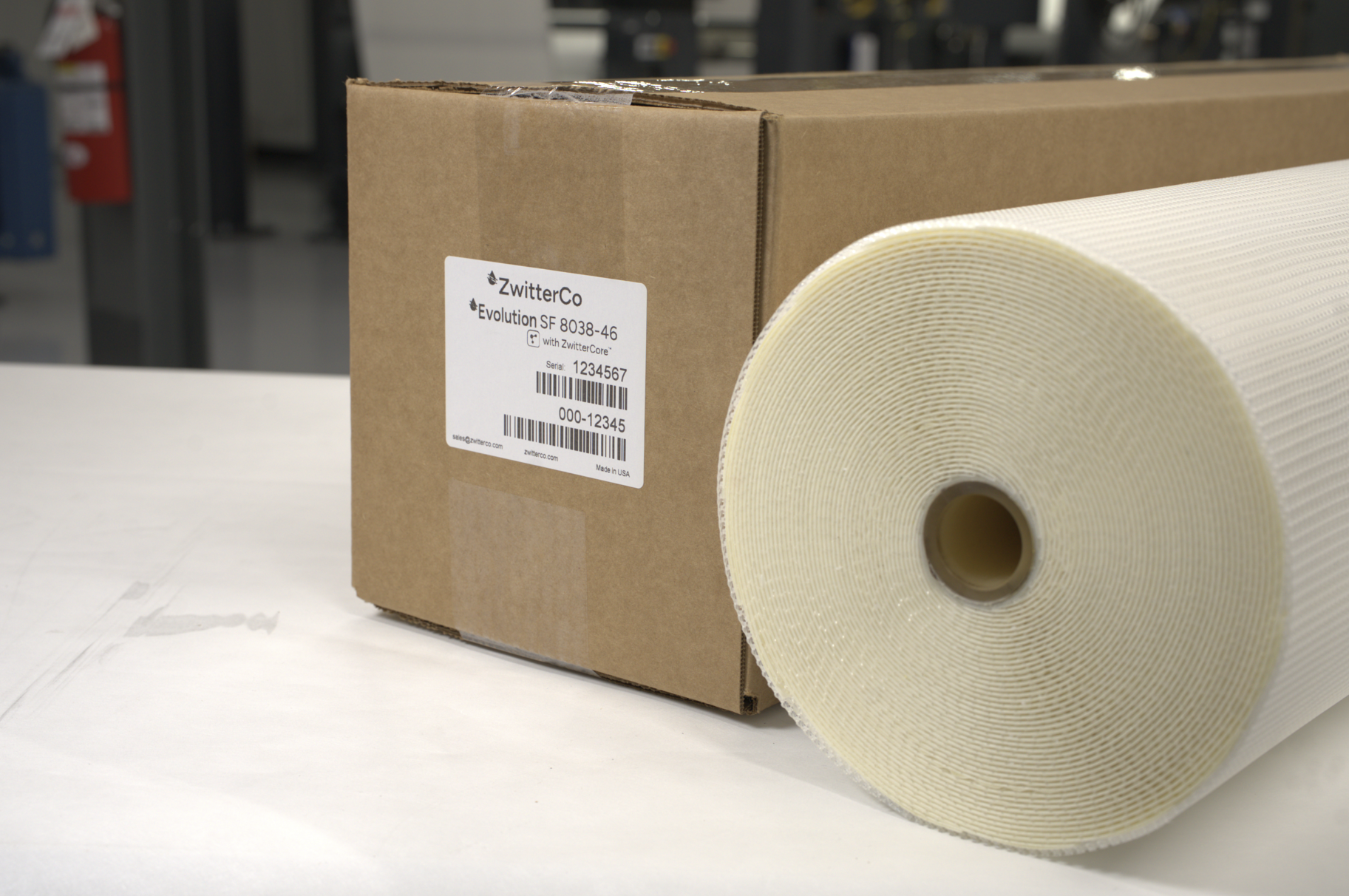
That resilience starts upstream. ZwitterCo Expedition SF is used as a front-line separation step in landfill leachate treatment to remove suspended solids, fine colloids, and high molecular weight organics that drive downstream fouling. Built on ZwitterCore™ technology, Expedition SF is engineered to operate reliably on leachate streams with elevated COD, proteins, humic substances, and intermittent oil and grease. By stabilizing RO feedwater quality and decoupling hydraulic variability from membrane fouling behavior, Expedition SF creates a consistent operating window for downstream polishing.
For reverse osmosis, this means prioritizing membranes engineered for high resistance to organic fouling. Elevation RO membranes are specifically designed to maintain stable performance in streams affected by organics, reducing fouling rates and extending operational cycles between cleanings.
By supporting consistent flux and predictable operation, fouling-resistant membranes like Elevation RO help operators maintain uptime, manage regulatory risk, and adapt to increasingly variable leachate conditions.
The Reality of Leachate Treatment Going Forward
Landfill leachate treatment is becoming more challenging because the environment around it is changing faster than legacy systems were designed to handle. Climate variability, flooding risk, emerging contaminants, and regulatory tightening are converging, not easing.
Operators who plan for resilience – rather than assuming stable inputs – will be better positioned to meet compliance requirements and operational demands in the years ahead. In this environment, treatment technologies that can withstand organic fouling and maintain performance under stress are no longer optional. They are foundational.
Contact ZwitterCo today to see if Elevation RO and Expedition SF membranes can support your application.