Sustainability goals in dairy processing are getting sharper – and less forgiving. Reducing water use, cutting chemical consumption, and lowering wastewater volumes are no longer “nice-to-haves.” They are metrics that plants are expected to report, defend, and continuously improve.
For processors producing milk protein isolate (MPI), membrane filtration sits right at the center of this challenge. Protein concentration is chemically intensive, water intensive, and cleaning intensive by nature. But it doesn’t have to stay that way.
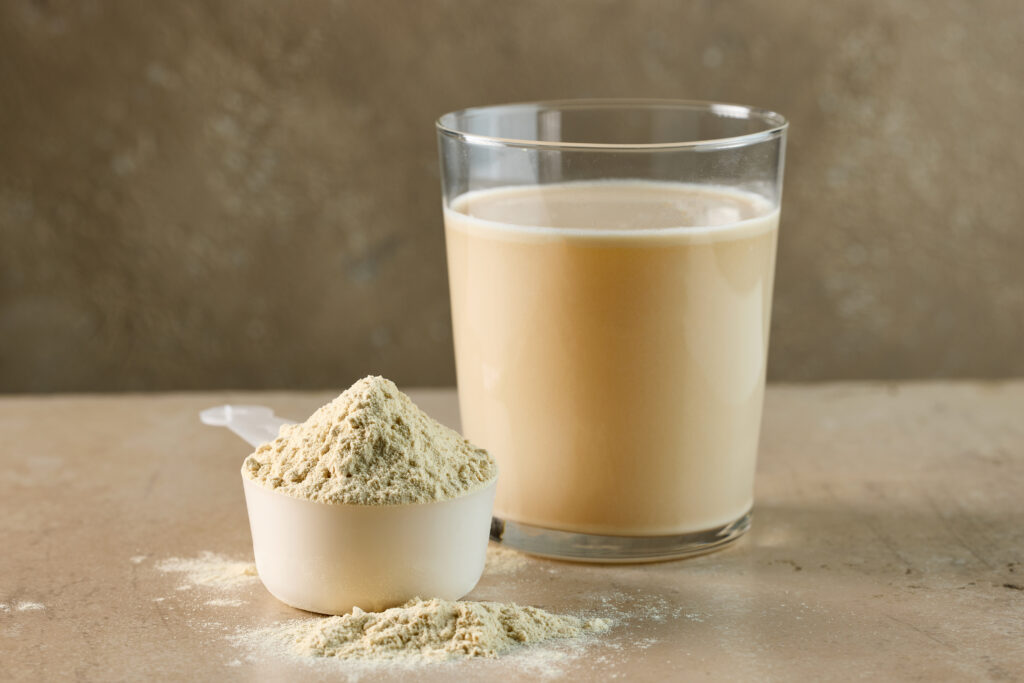
Evolution membranes are changing the sustainability math for MPI filtration – not by asking plants to clean less, but by making cleaning simpler, faster, and more efficient, with fewer steps, lower temperatures, and significantly reduced chemical and freshwater demand.
The Hidden Sustainability Cost of Protein Filtration
In MPI systems, the membrane cleaning program often consumes more resources over time than the filtration itself. Each cleaning step requires:
- Chemicals that must be purchased, handled, and neutralized
- Large volumes of freshwater for make-up and flushing
- Energy to heat, circulate, and dispose of solutions
- Downtime that reduces productive hours
When flushing steps are included, a “four-step” cleaning program can easily balloon into 10 or more discrete steps – each one compounding water use and wastewater generation. That’s where most sustainability initiatives stall: the process works, but it’s expensive to clean and hard to optimize.
Why Evolution Membranes Clean More Easily
Evolution membranes are built on a patented zwitterionic chemistry that forms an extremely hydrophilic surface, making the membranes anti-fouling. The membrane surface attracts water, creating a hydration layer that prevents proteins, fat, and other organic compounds from adhering
The result is easier foulant removal. Proteins don’t bind as tightly, gel layers formation is minimized, and performance is reliably restored with straightforward caustic-acid cleaning programs – without relying on aggressive or specialty chemistry
This directly translates into sustainability gains that processors can measure.
Evolution PCM: Built for Protein Concentration
Evolution PCM is designed specifically to replace conventional 5-30 kDa ultrafiltration membranes in whey and milk protein concentration applications. Conventional UF membranes often require harsher chemicals as fouling accumulates over time. Evolution membranes avoid that spiral.

By maintaining cleanability, plants can reduce chemical intensity and water usage while keeping protein yields and permeate quality intact
Fewer Steps, Lower Temperatures, Less Water
Across the Evolution product family, processors are simplifying their cleaning programs by eliminating the most expensive and resource-heavy steps – particularly enzyme washes.
Field data from dairy applications show that Evolution membranes enable:
- Removal of enzyme steps from the cleaning program
- Lower cleaning temperatures
- Shorter overall cleaning duration
Each removed step saves roughly an hour of time, plus the water, energy, and chemicals that go with it. Over a year of operation, these changes compound into meaningful sustainability improvements – tens of thousands of gallons of water saved and dramatic reductions in chemical consumption
Sustainability Without System Changes
Another benefit of Evolution membranes is that these gains do not require capital projects or system redesigns. Evolution PCM, SF, and RO elements are engineered as direct replacements for conventional membranes.
That means:
- No changes to housings or piping
- No new cleaning infrastructure
- No disruption to validated processes
Processors simply adjust the cleaning program to reflect what the membrane actually needs – less chemistry, less water, and less time – while maintaining regulatory compliance.
The Bottom Line
Sustainability in MPI filtration doesn’t require sacrificing performance – or cleanliness. With Evolution membranes, processors are proving that easier, faster cleaning programs go hand in hand with lower chemical costs and reduced water use.
For dairy plants under pressure to do more with less, that’s not just a process improvement. It’s a strategic advantage.
Lower cleaning costs. Reduce freshwater demand. Contact us today to see what Evolution membranes can do in your plant.