

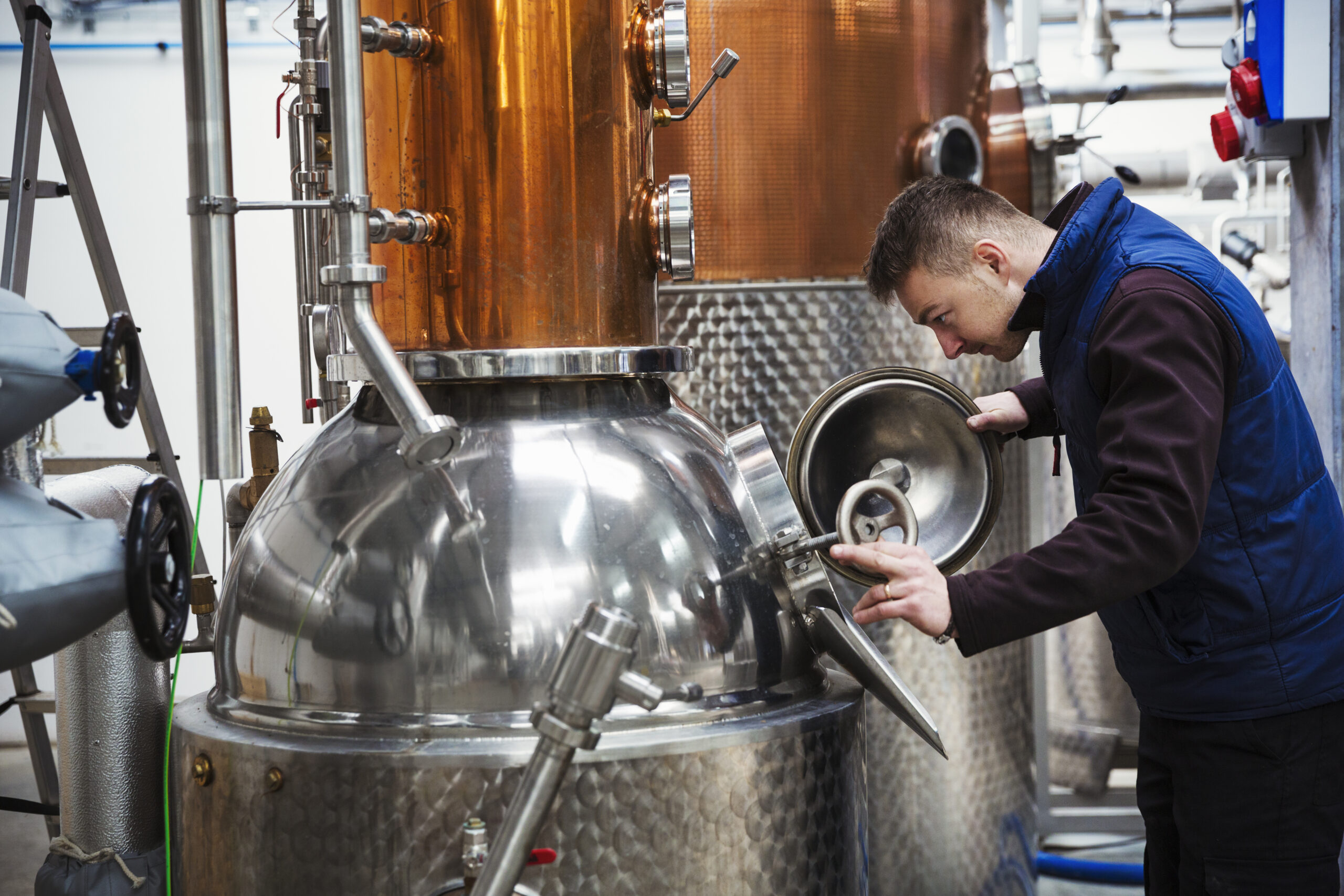
Unlocking Reuse Potential: RO Membranes in Tertiary Water Treatment for Food and Beverage
Water is essential across nearly every process in the food and beverage industry, from cleaning and cooling machinery to becoming an actual ingredient in the end products. Given this vast usage, food and beverage facilities face mounting pressure to…

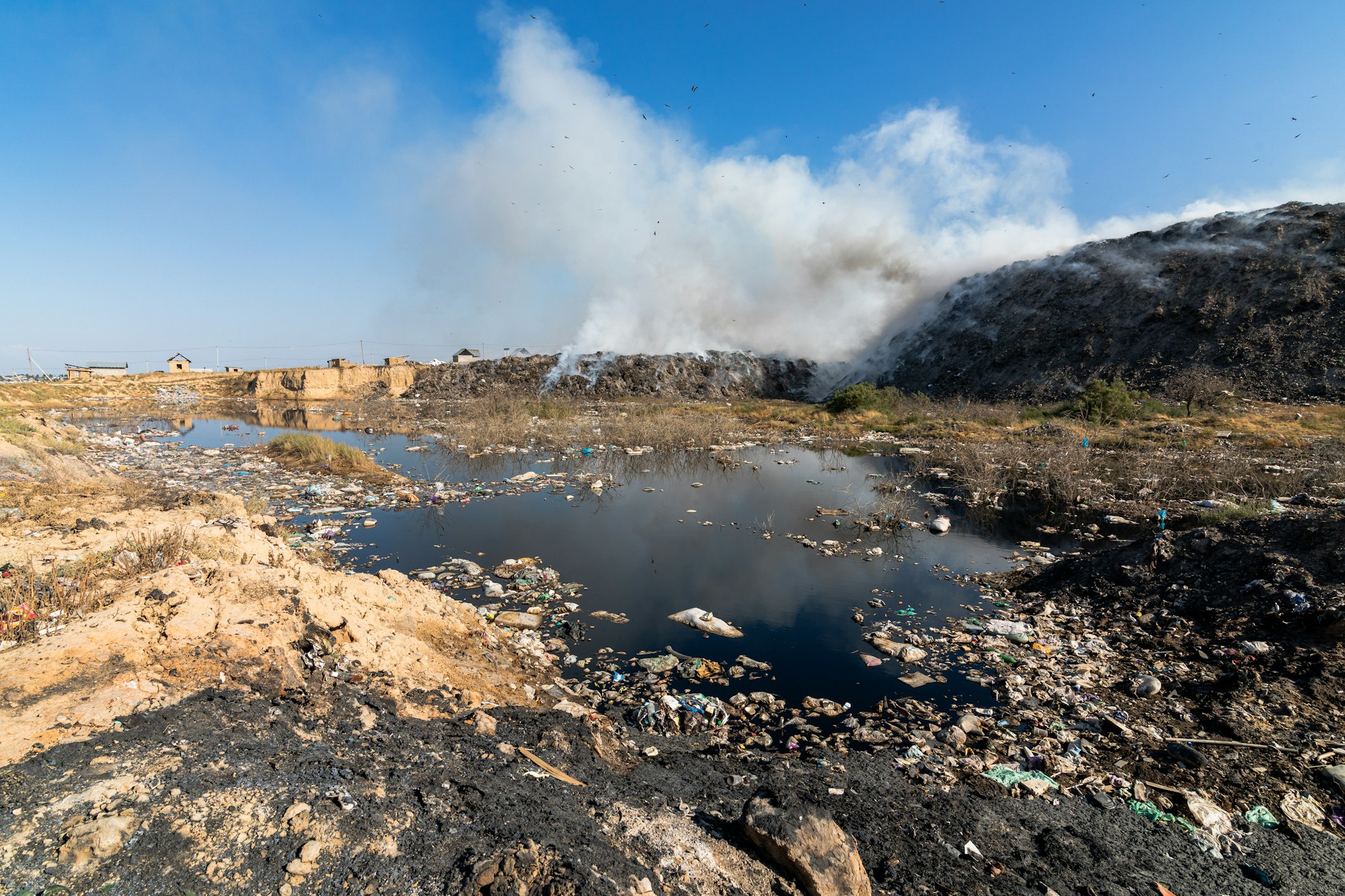
The Hidden Threat of Landfill Leachate: How RO Membranes Offer a Sustainable Solution
The Growing Threat of Landfill Leachate Landfill leachate is an increasingly concerning byproduct of waste disposal, formed when rainwater seeps through layers of landfill waste, picking up a variety of pollutants along the way – things like heavy…
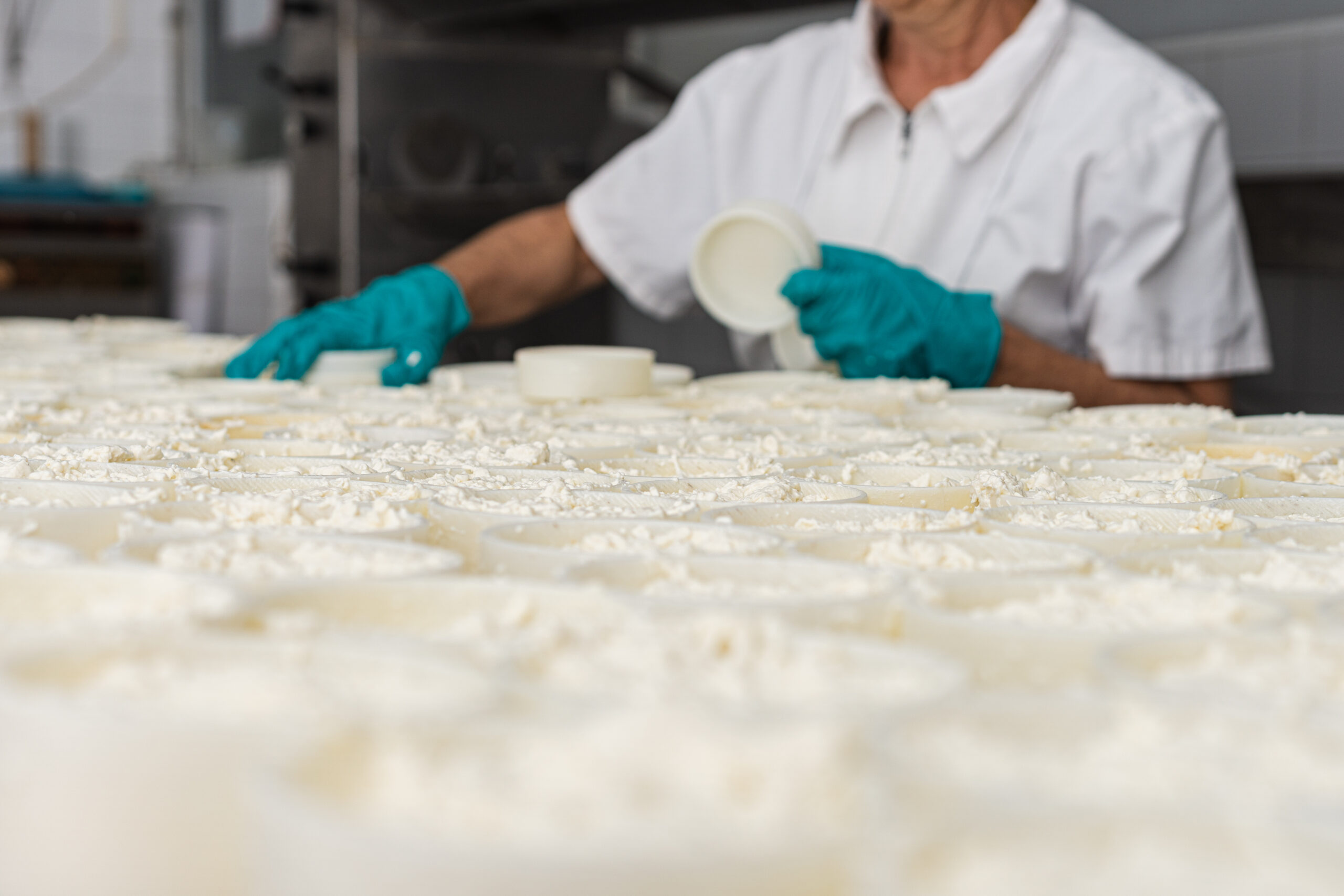
Achieving Wastewater Compliance in Food & Beverage: How Advanced Membranes Make It Possible
In today's food and beverage industry, regulatory compliance around wastewater discharge has never been more crucial. Stricter regulations aim to protect the environment, safeguard public health, and promote sustainable operations. For…
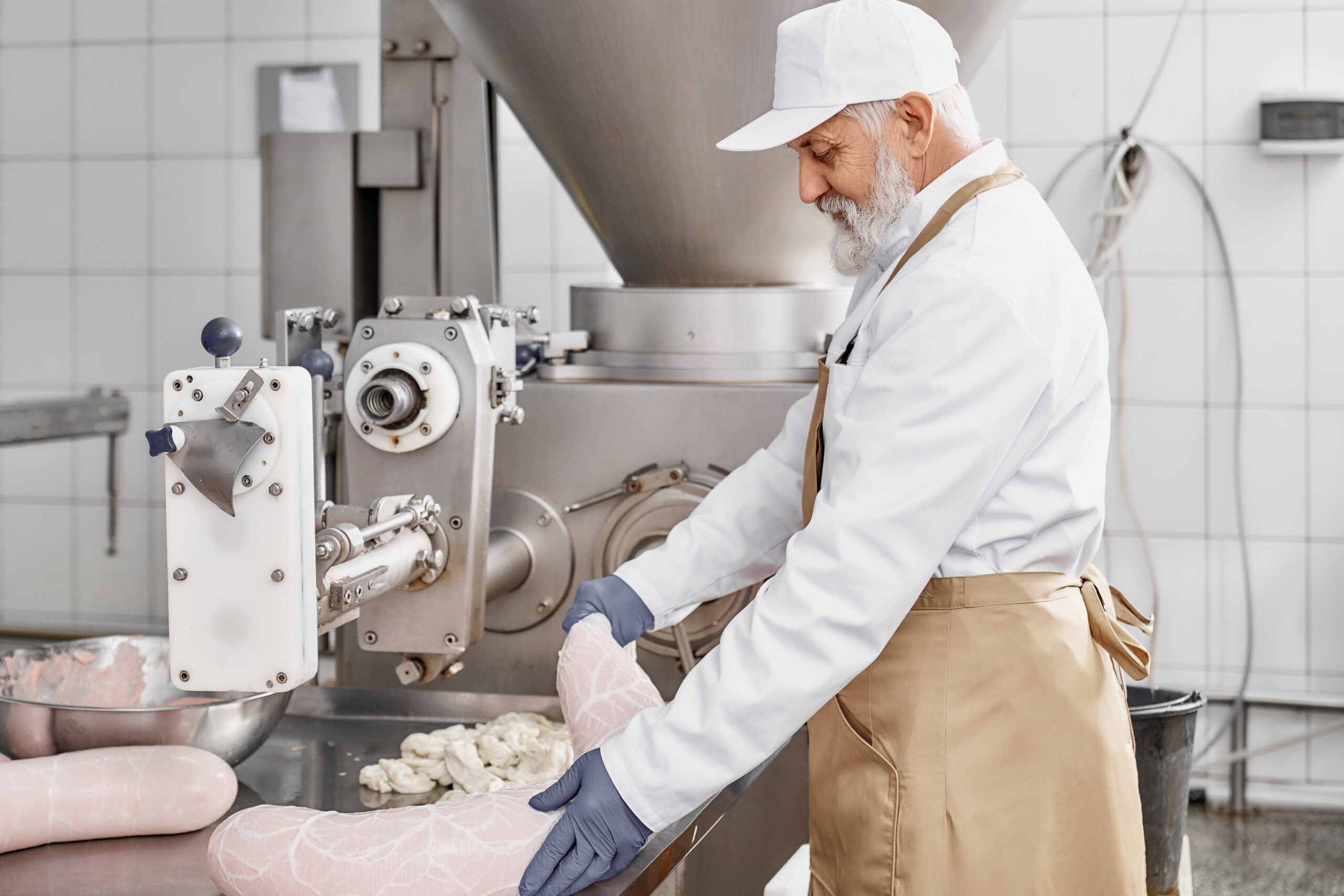
PAA Reuse 101: Unlocking Hidden Savings in Meat & Poultry Processing
In the industry of meat and poultry processing, maintaining food safety standards while optimizing operational efficiency is critical. One essential component of these operations is peracetic acid, or PAA, a highly effective antimicrobial agent.…
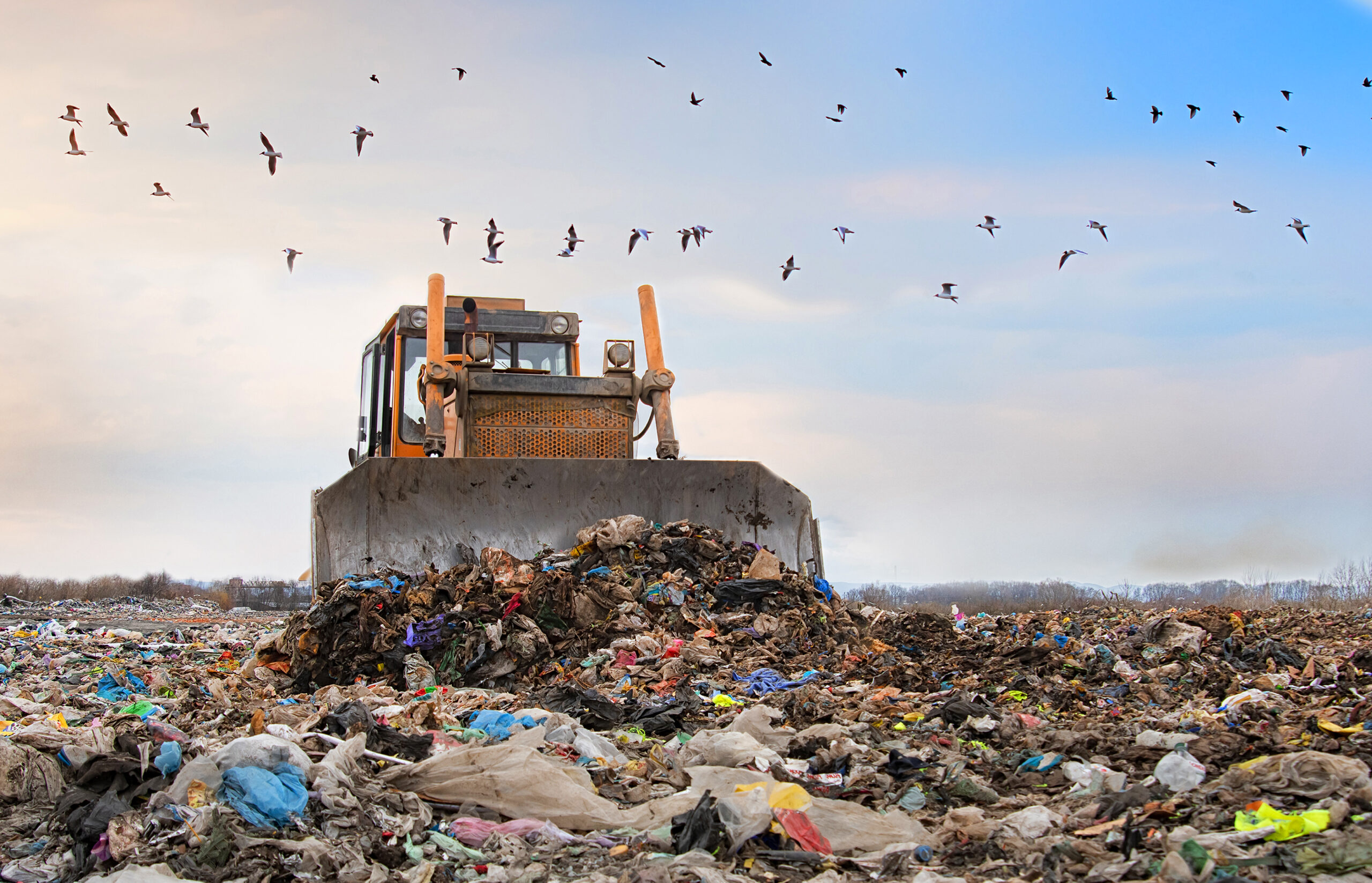
Reducing Environmental Impact: How Advanced RO Membranes Improve Landfill Leachate Management
Landfills are a fact of life, but the environmental impacts they generate can be significant. One of the biggest challenges they pose is landfill leachate—a liquid formed when rainwater filters through waste. This leachate can carry a variety of…

RO and the Circular Economy: Reusing Industrial Water to Reduce Overall Consumption
As industries continue to grow, so does the demand for water – one of our most precious resources. In response, the concept of a circular economy has gained traction, aiming to minimize waste and maximize resource efficiency. Water recycling and…

PFAS Removal in Landfill Leachate: The Effectiveness of RO Membranes
As landfill operators face increasingly stringent regulations and growing public concern over water quality, the challenge of managing per- and polyfluoroalkyl substances (PFAS) in leachate has become a critical focus. Reverse osmosis (RO) membranes…
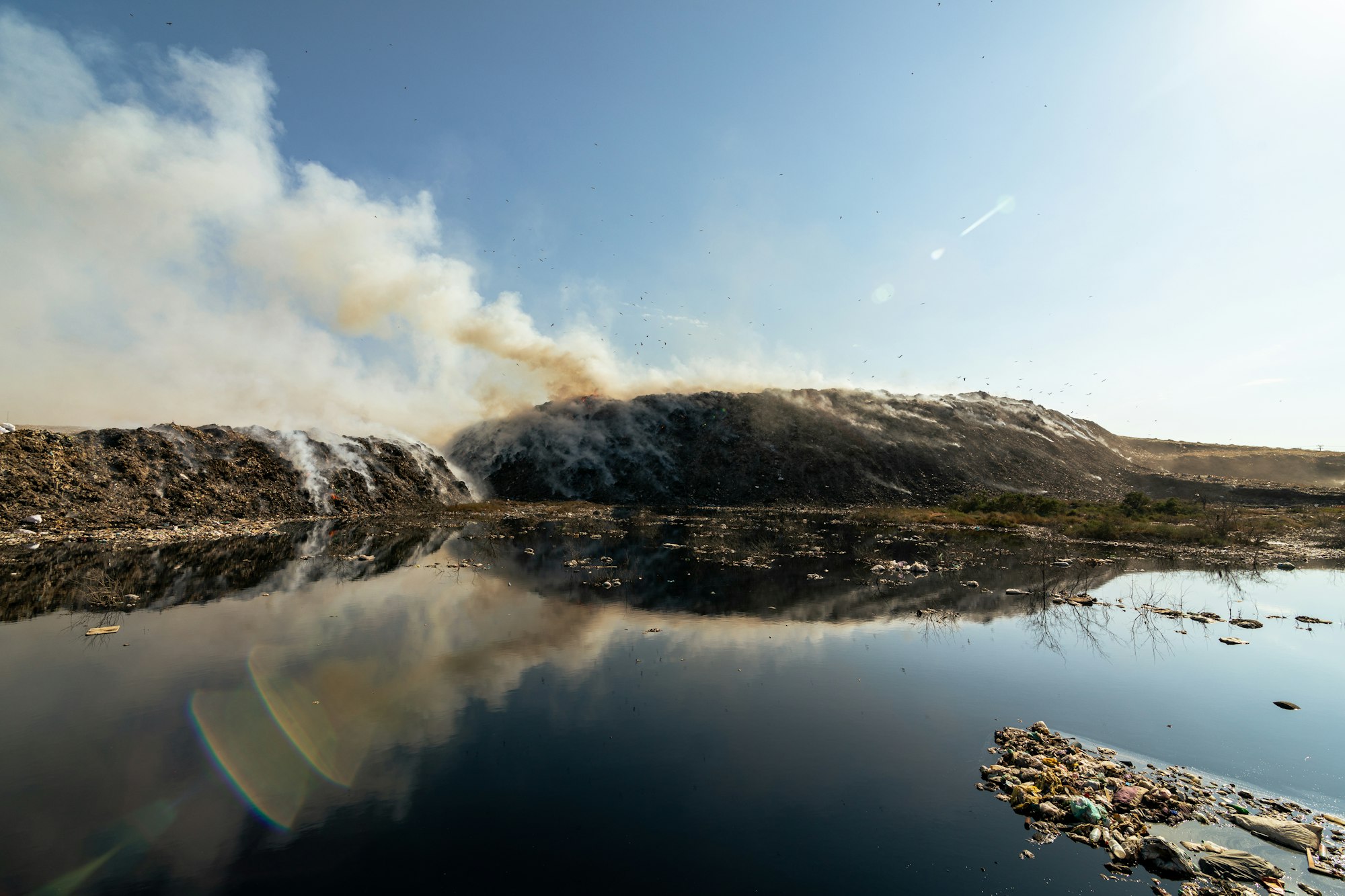
Regulatory Compliance in Landfills: How RO Membranes Tackle the Fouling Challenge
Landfill leachate is a liquid that forms when rainwater flows through waste in landfills, picking up harmful substances like heavy metals, ammonia, and chemicals along the way. If not properly treated, it can contaminate nearby water sources and…
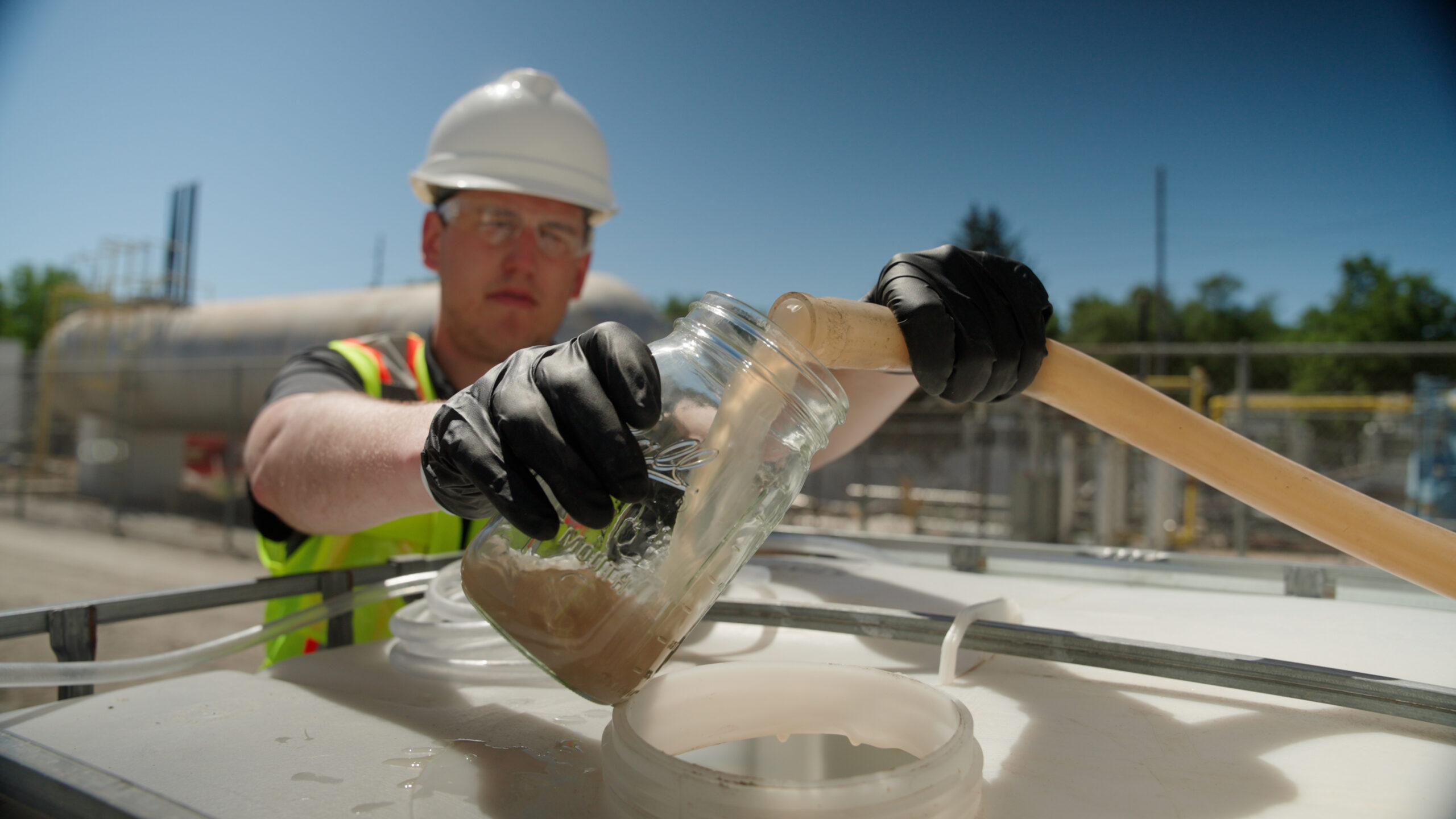
Understanding the Environmental Impact of Poultry Processing and How to Mitigate It
Poultry processing is a fundamental part of the global food industry, ensuring a steady supply of poultry products to meet the growing demands of consumers. However, despite its critical role, the industry faces significant environmental challenges.…
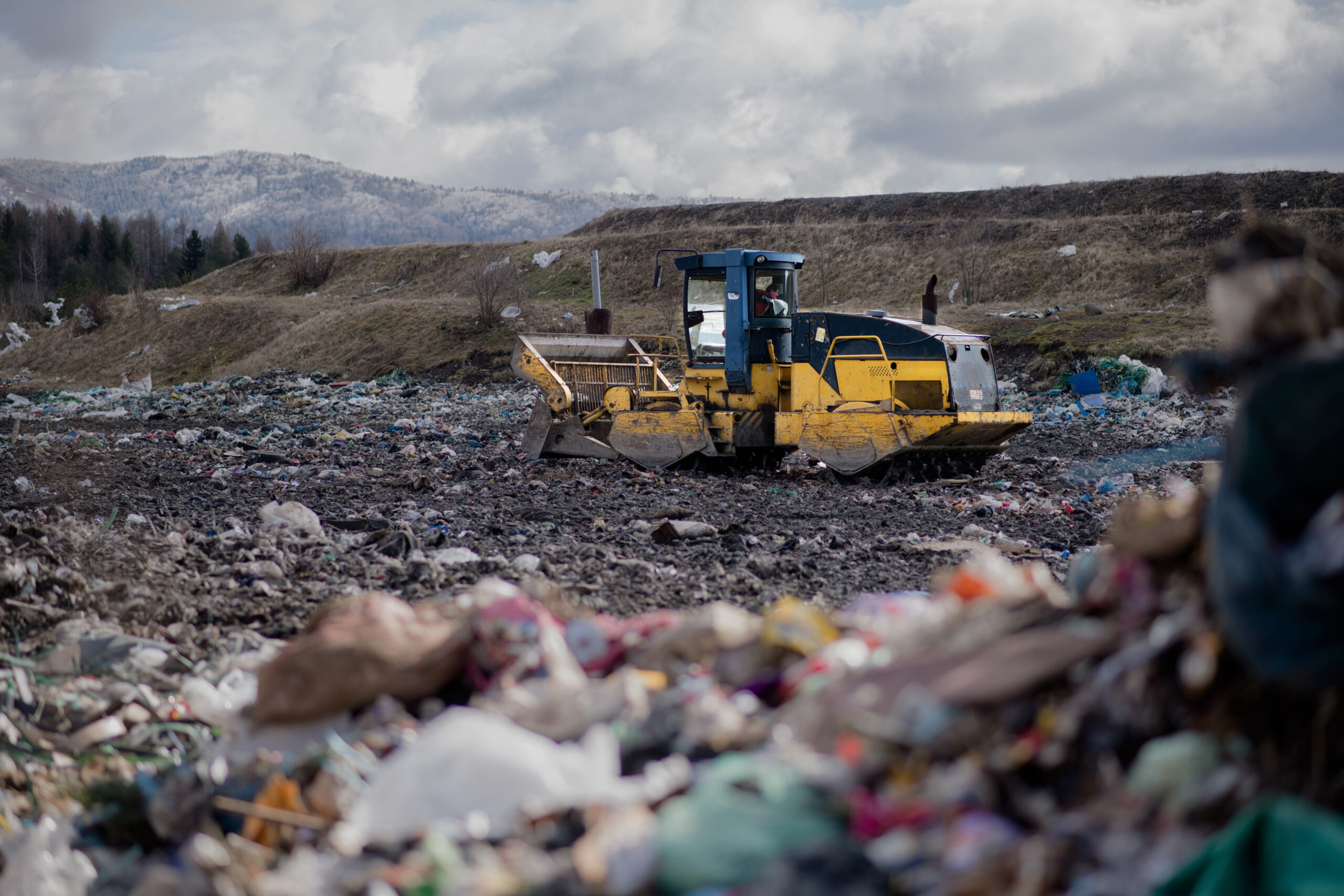
From Problem to Solution: How RO Membranes Can Transform Landfill Leachate into Reusable Water
A Growing Environmental Challenge Landfill leachate, a liquid formed when rainwater filters through waste in a landfill, can carry with it a range of harmful contaminants, including those produced by methane-generating organic waste decomposition.…
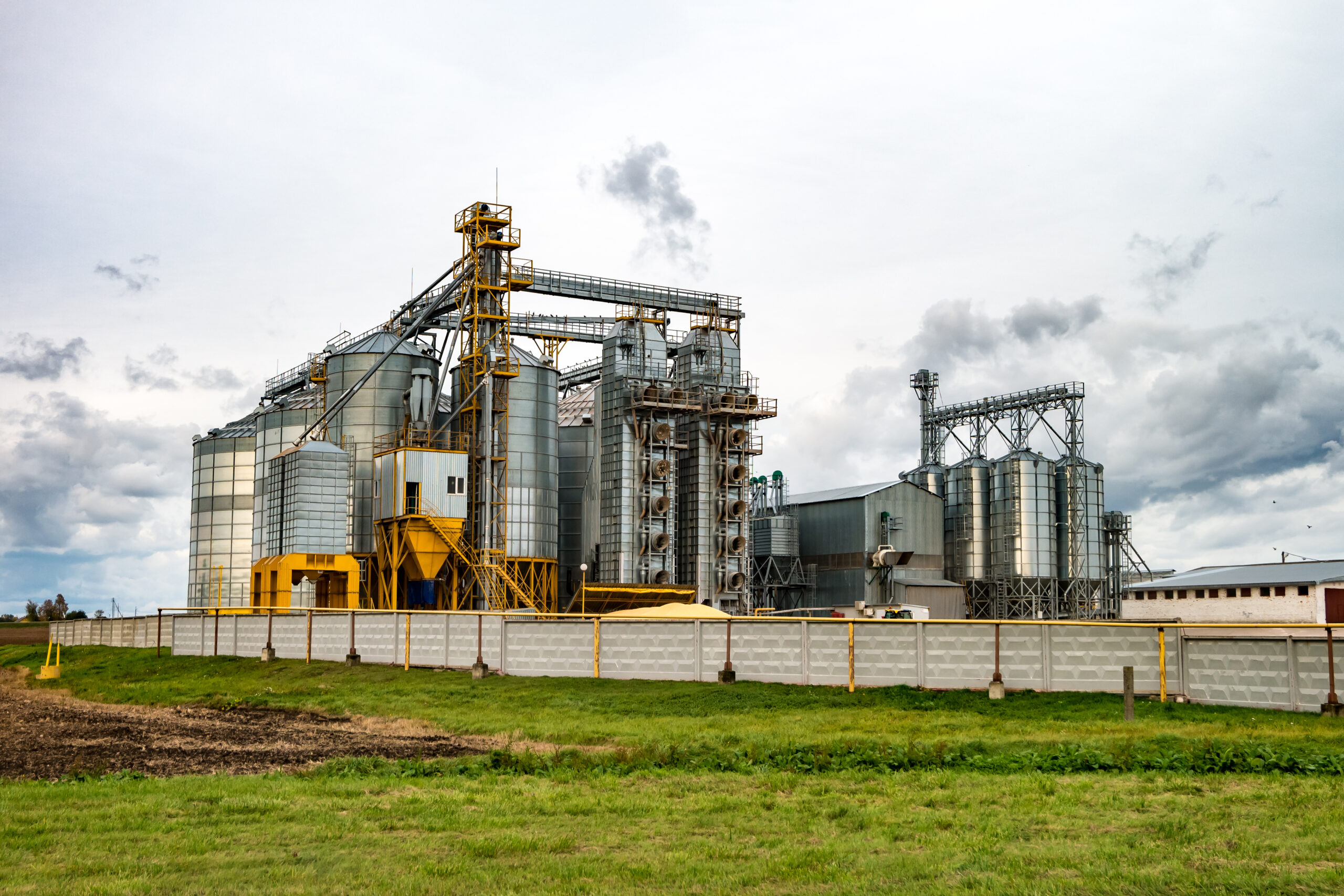
Membranes in Stillage Treatment: The New Recipe for Better CI Scores in Fuel Ethanol Production
In today's ethanol industry, Carbon Intensity (CI) is more than just a buzzword—it's a critical metric that influences the marketability, sustainability, and overall competitiveness of ethanol producers. CI scores reflect the amount of carbon…
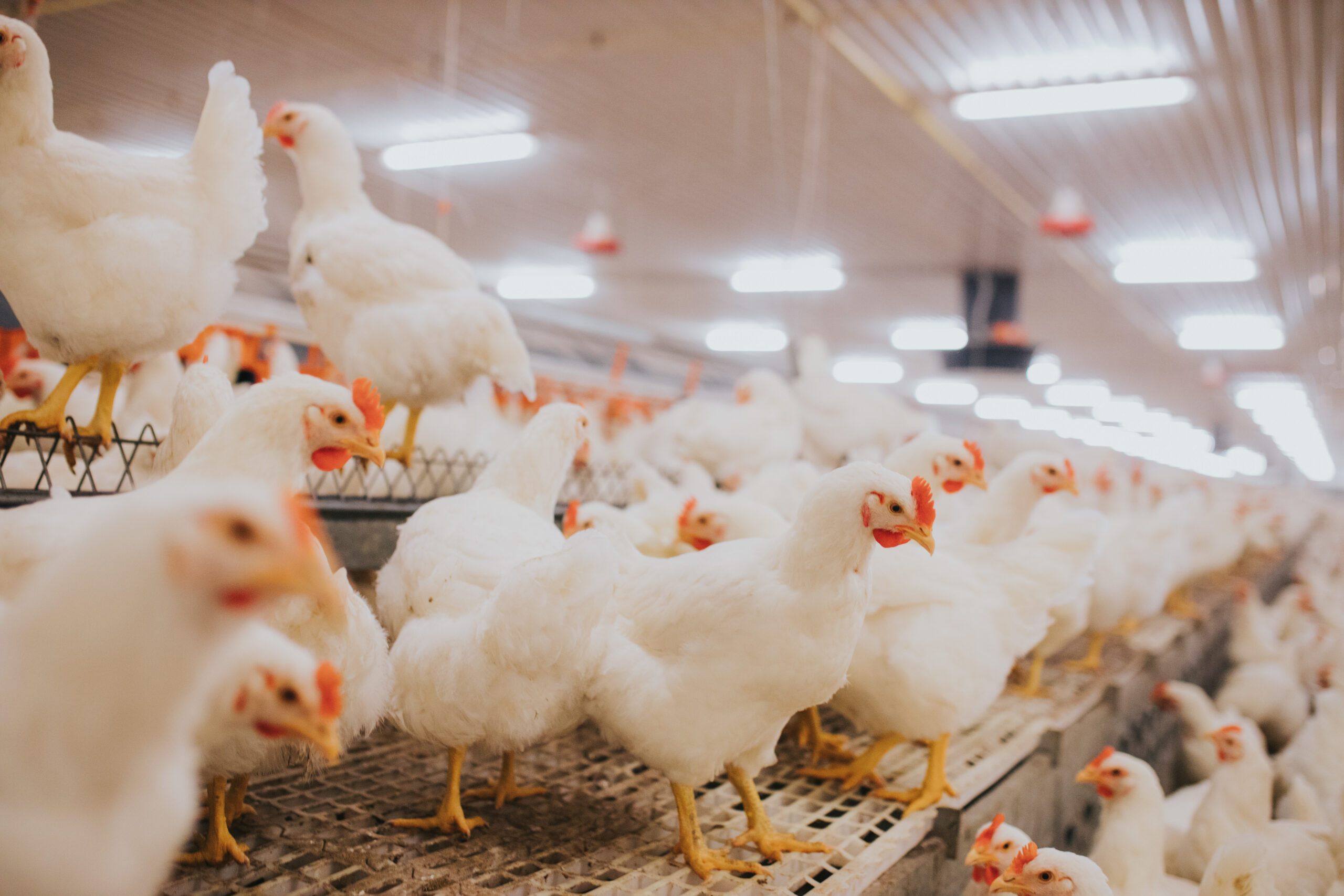
Future-Proofing Poultry Processing Plants to Meet Evolving Wastewater Treatment Standards
Poultry processing plants are grappling with the challenges in adhering to evolving wastewater treatment standards, striving to balance compliance with operational efficiency. As these standards become increasingly stringent, the need for advanced…
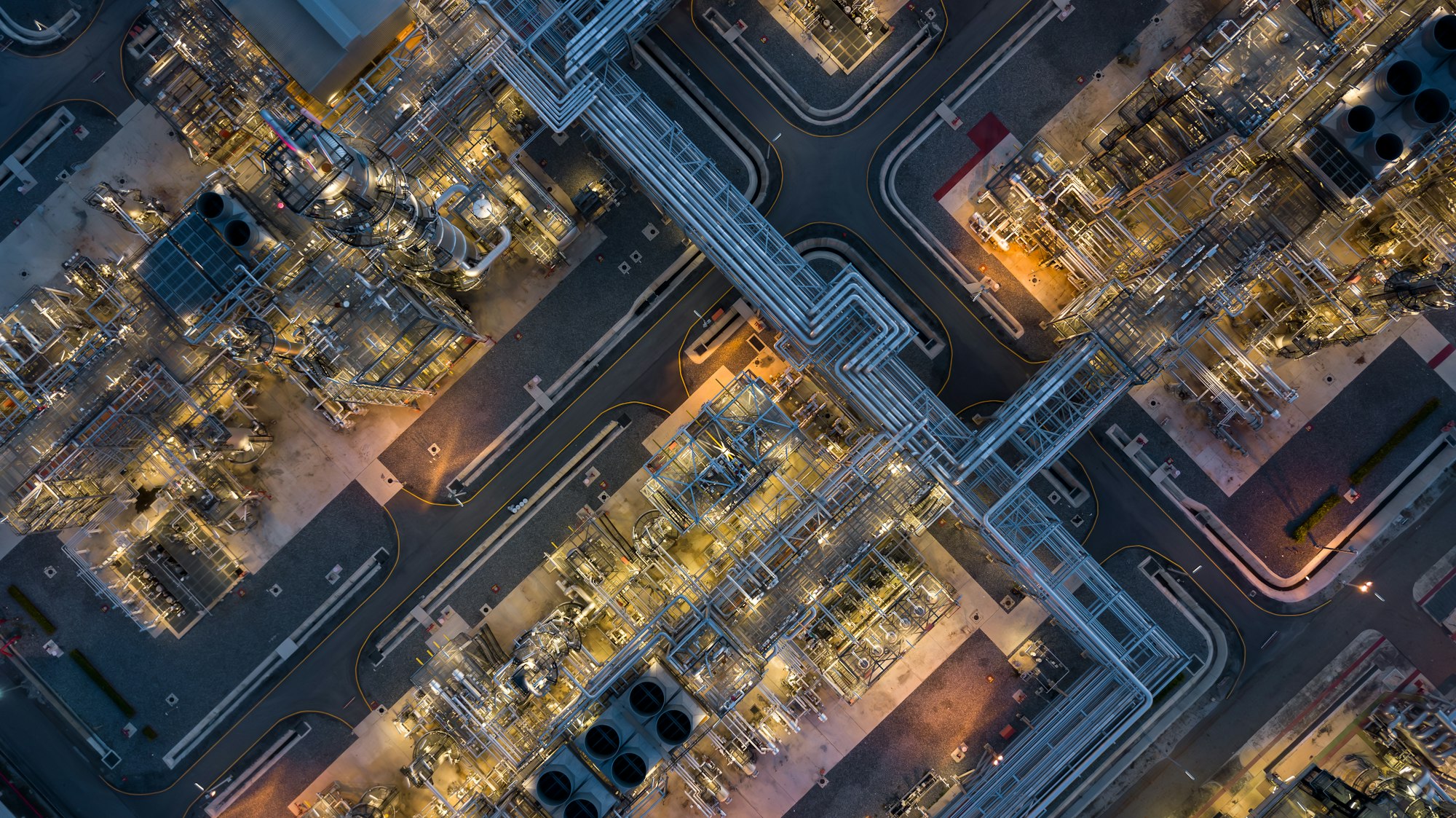
Don’t Get Zapped by High Electrical Consumption
The global energy crisis is worsening, with demand increasing faster than supply and prices soaring. In 2021, global energy demand rose by 4.6%, almost twice the growth seen the previous year, according to the International Energy Agency (IEA). The…
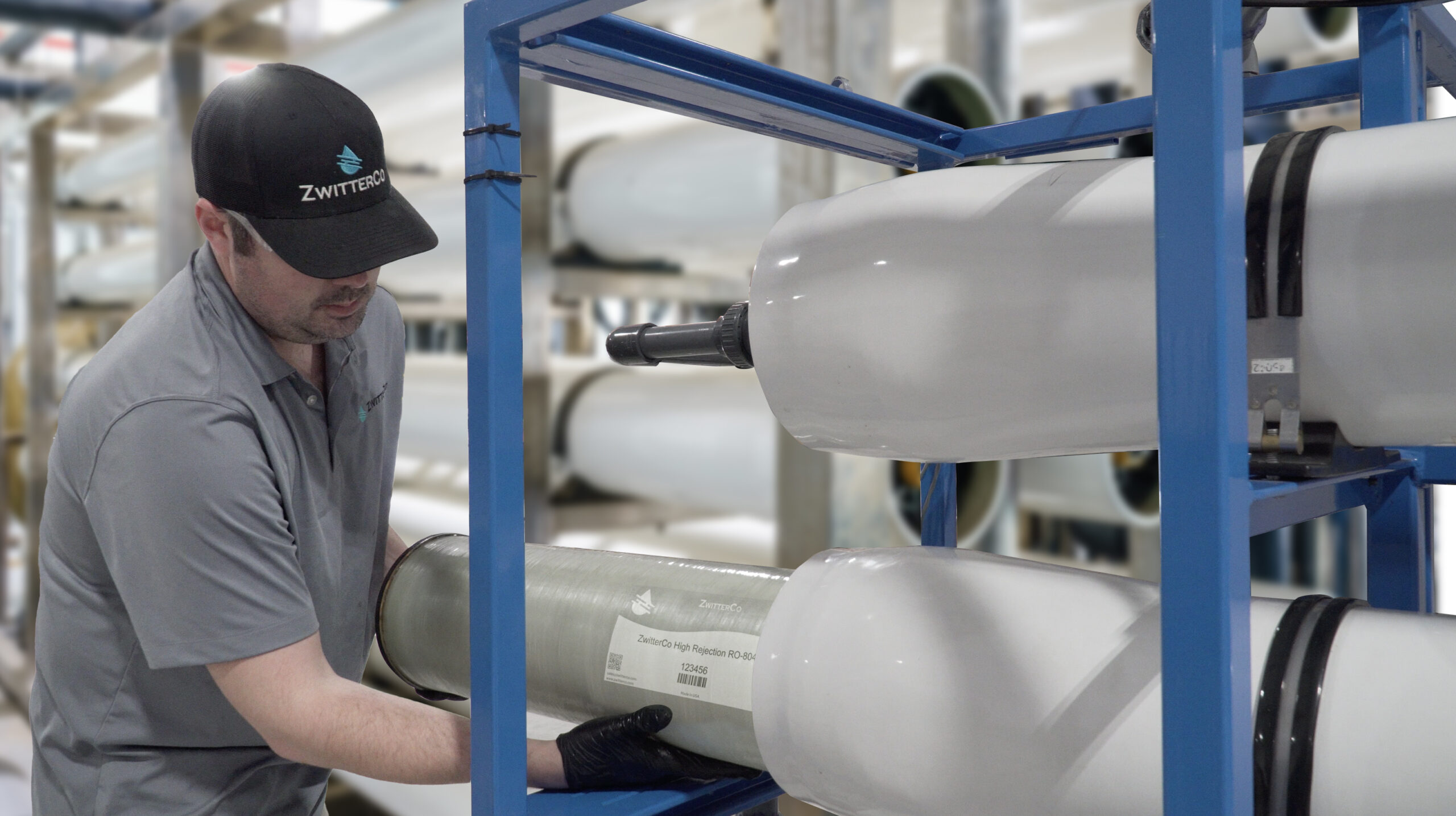
The Role of Reverse Osmosis in Wastewater Treatment
Originally posted by Water Tech Online | July 07, 2024 | Written by Jon Goodman Could irreversible organic fouling be relegated to the past for reverse osmosis (RO) membranes? As freshwater shortages grow globally, the demand for sustainable water…
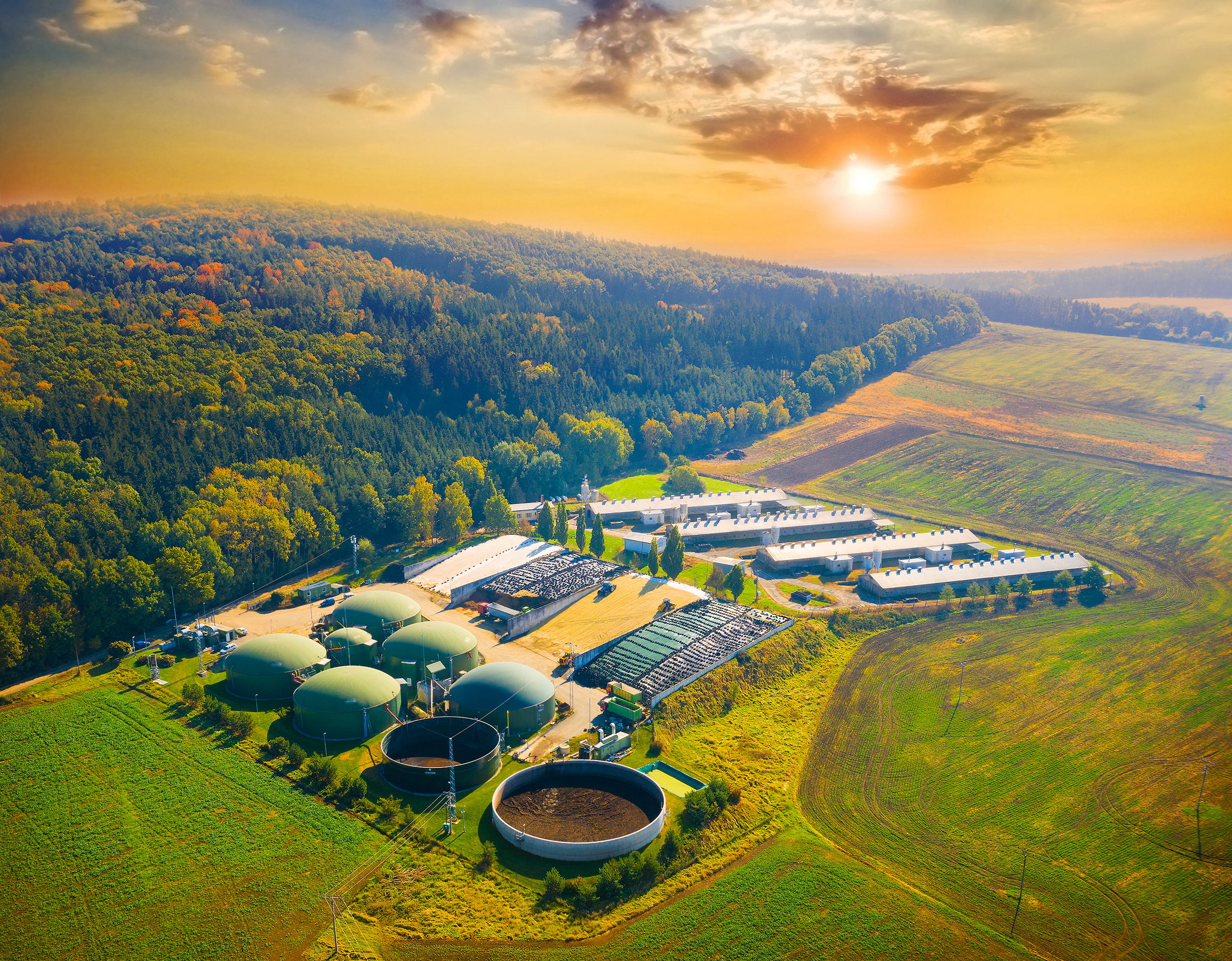
Leave Only (Small) Footprints: Innovating Industrial Wastewater Reuse
Today, unique filtration technologies are making industrial wastewater reuse not just possible, but practical and profitable. These innovations are revolutionizing industries like agriculture, bioprocessing, food production, and oil and gas. They…
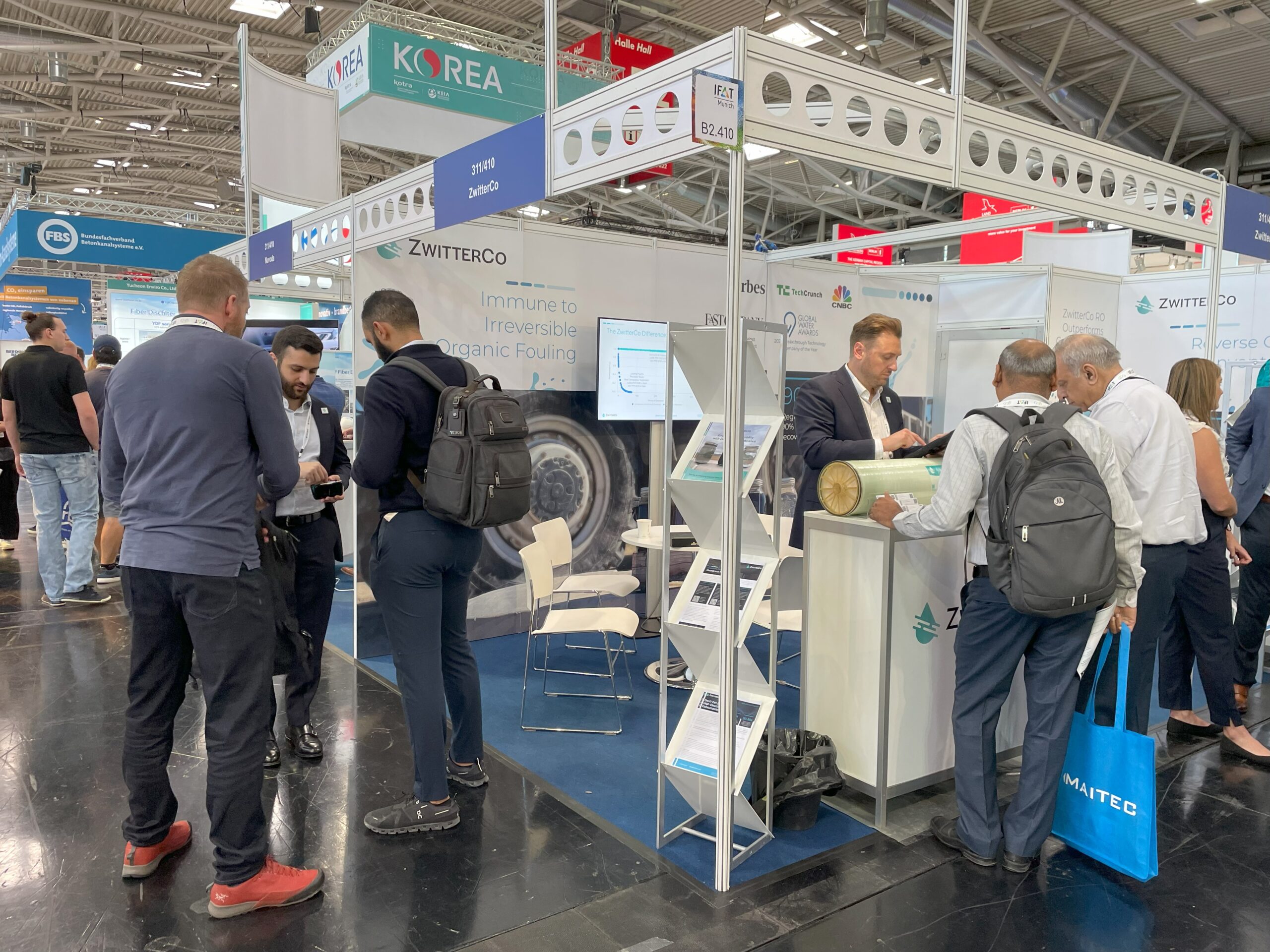
Key Takeaways from IFAT Munich 2024
IFAT Munich 2024 is the premier event for water, sewage, waste, and raw materials management. It’s where companies providing products and services across the entire waste industry show up under one roof (more accurately, several connected roofs…

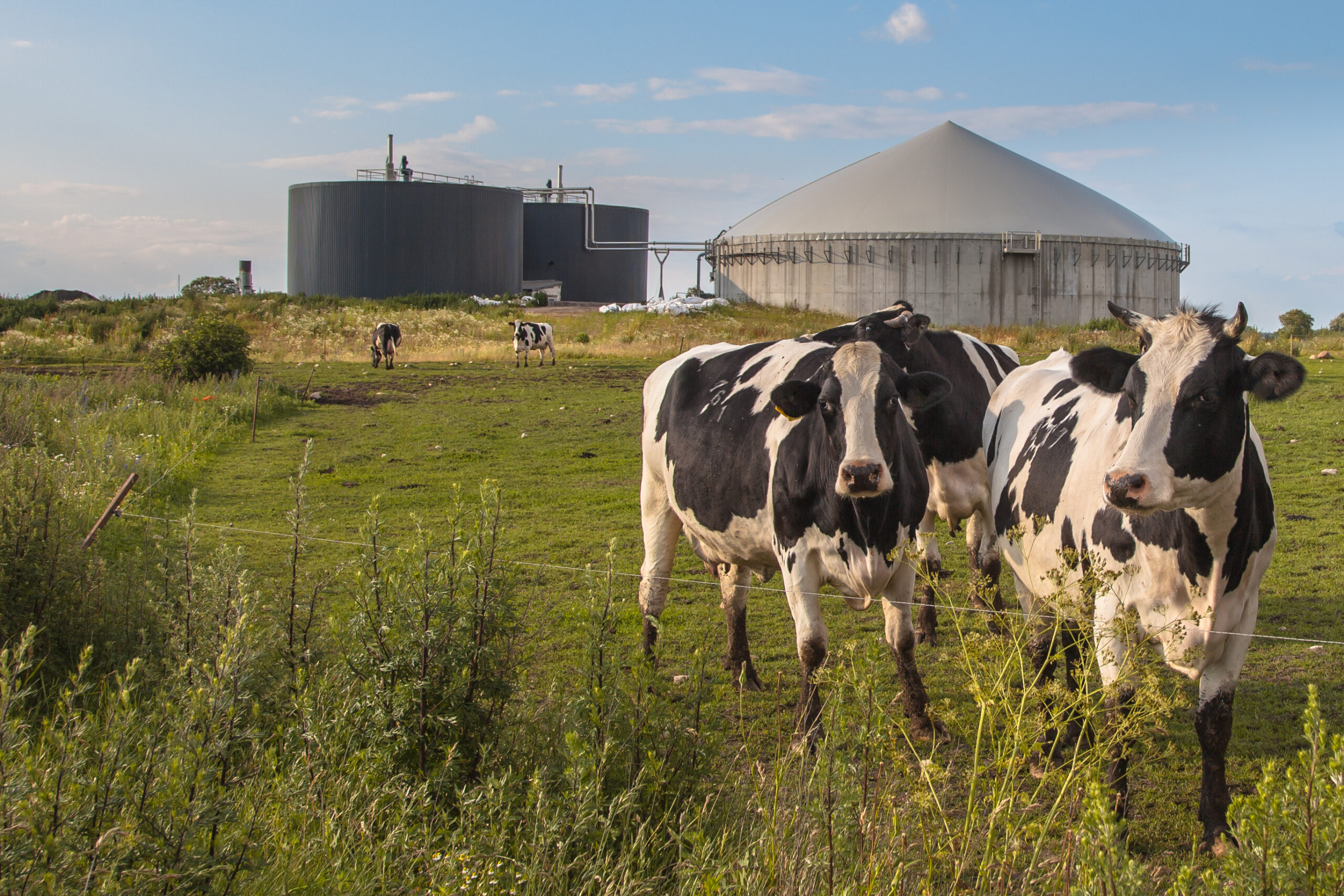
The Biogas Balance: Managing Nitrogen and Phosphorus in Digestate
The biogas industry plays a crucial role in the circular economy by efficiently managing waste, producing renewable energy, and enhancing soil fertility. Anaerobic digesters, in particular, are very important as they generate natural gas from food…
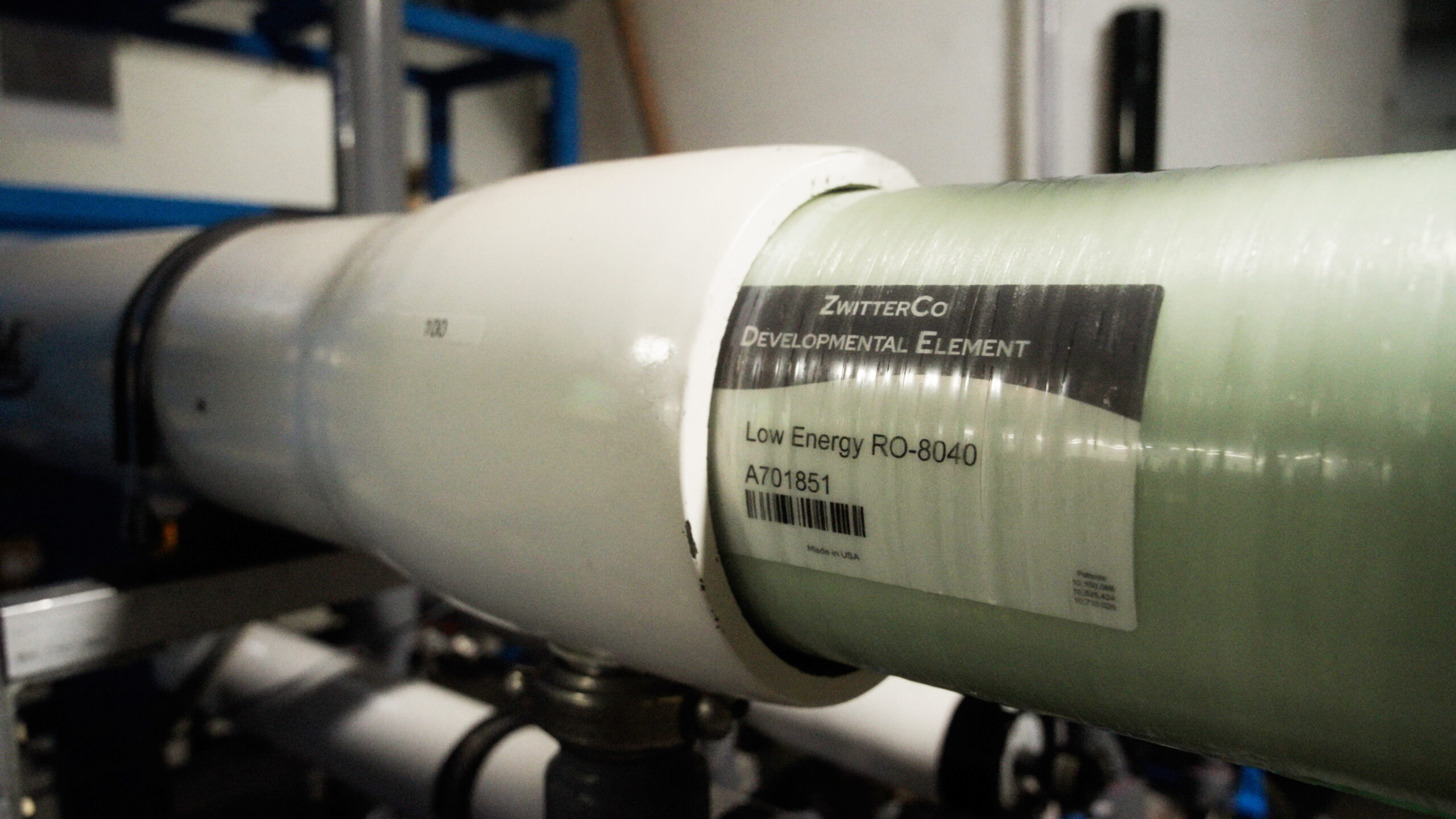
Beyond the Surface: The Real Cost of RO Membrane Cleaning
Do you know how much you're really spending on cleaning your RO system?
The costs might be higher than you think.
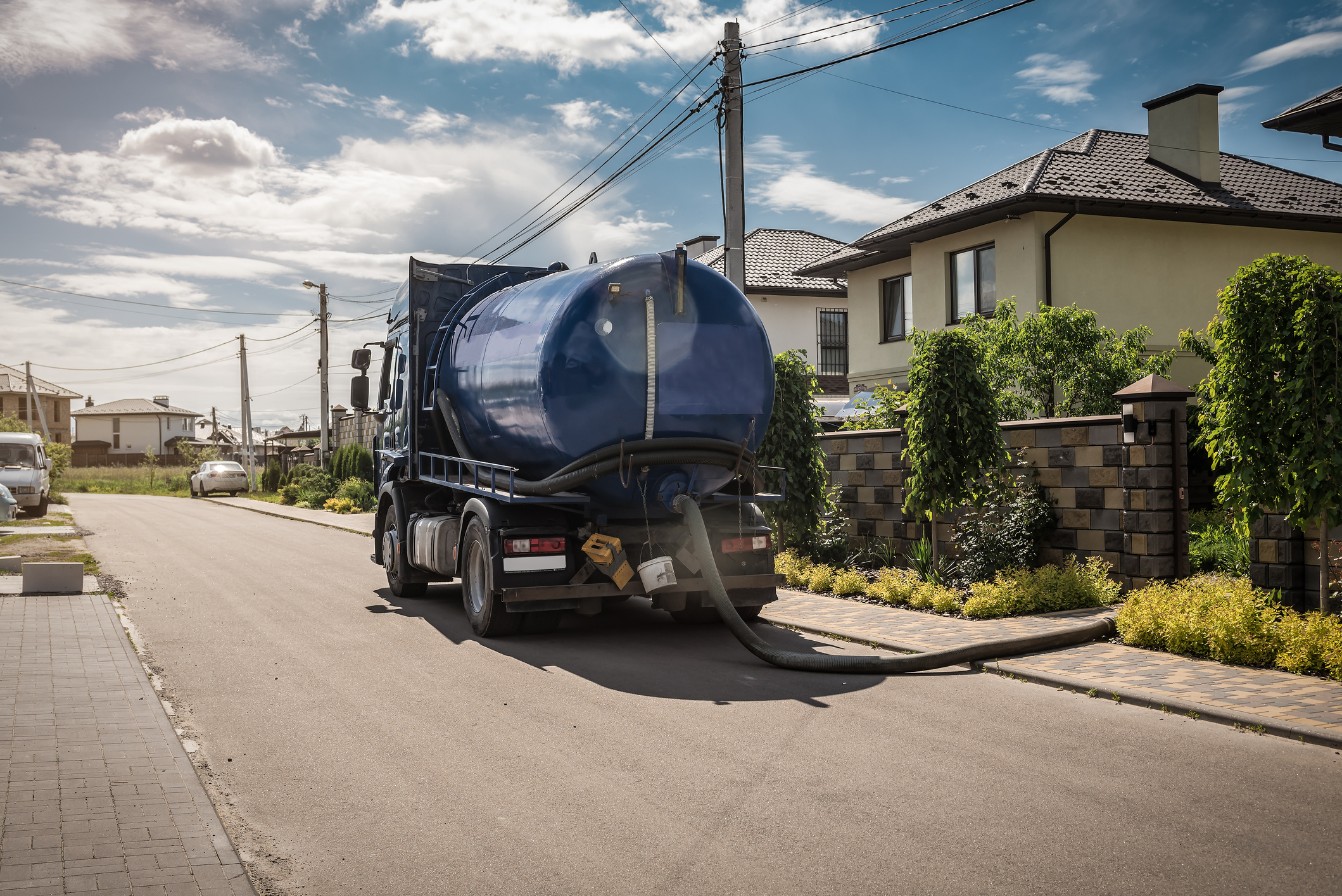
Reducing Wastewater Hauling Through An Advanced Membrane Treatment Technology
Originally posted by Water Online | May 03, 2024 | Written by Chris Roy High-strength wastewater is often hauled away to be managed, treated, or disposed of off-site, especially in applications like manure digestate and landfill leachate treatment,…
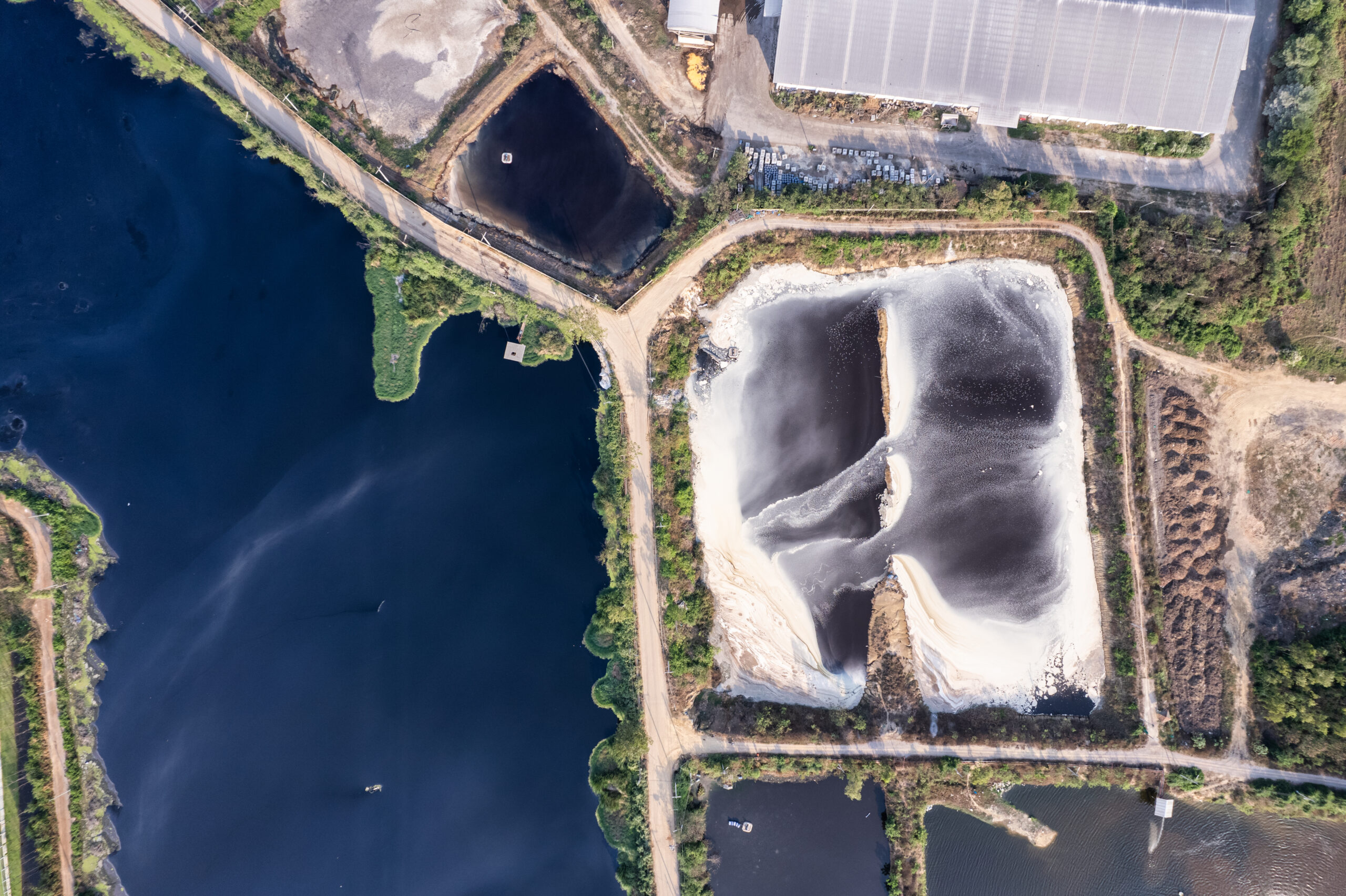
Understanding Zero Liquid Discharge (ZLD): Every Drop Counts
Water is a vital resource, and managing it responsibly is more important now than ever. Four billion people — almost two thirds of the world’s population — experience severe water scarcity for at least one month each year. As early as 2025, half of…
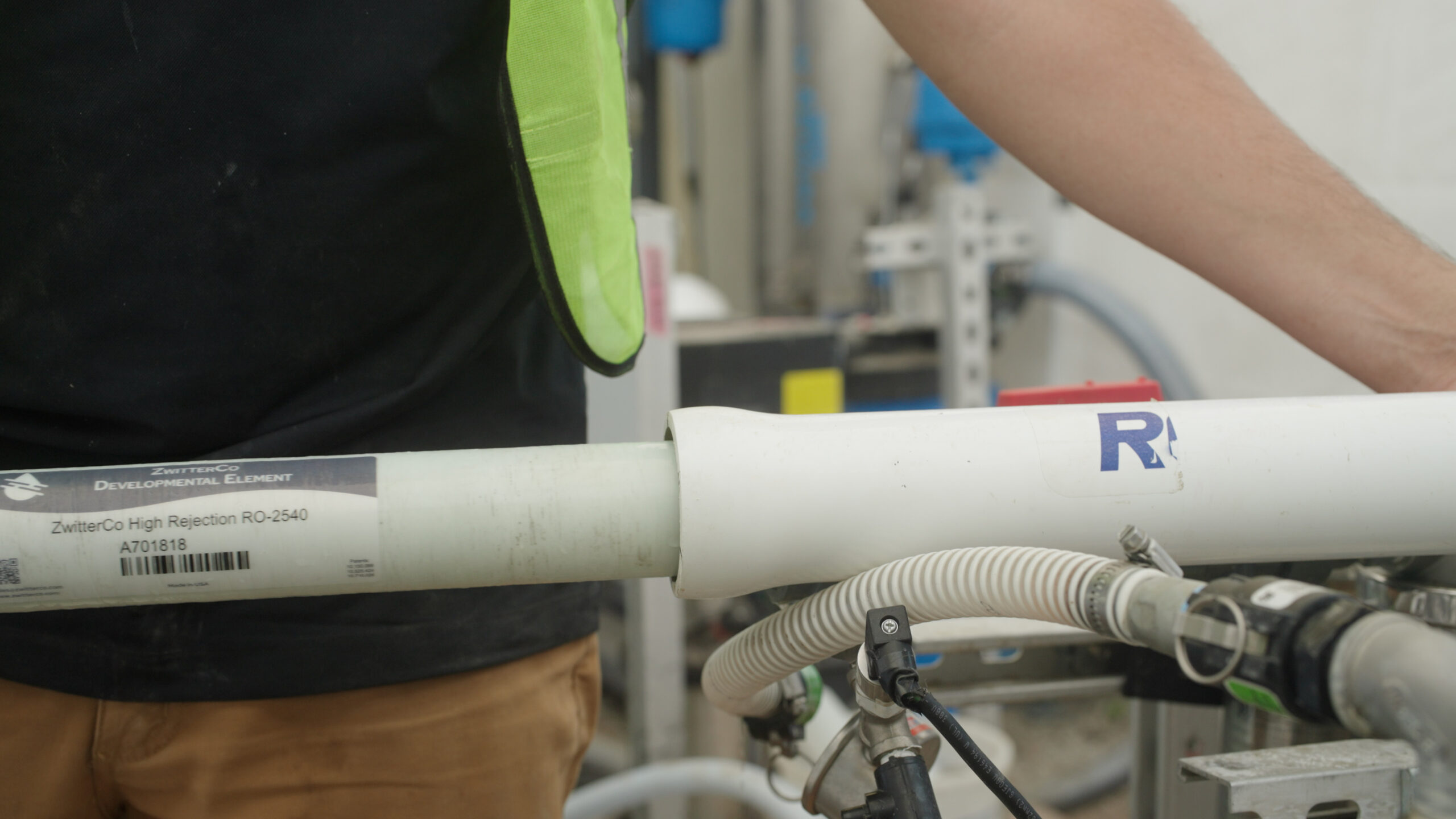
The Vital Role of Reverse Osmosis in Water Treatment
Reverse osmosis (RO), a revolutionary technology in water treatment, has been a vital solution in addressing the global water crisis. Used across various industries ranging from the treatment of wastewater to the desalination of seawater, RO plays a…
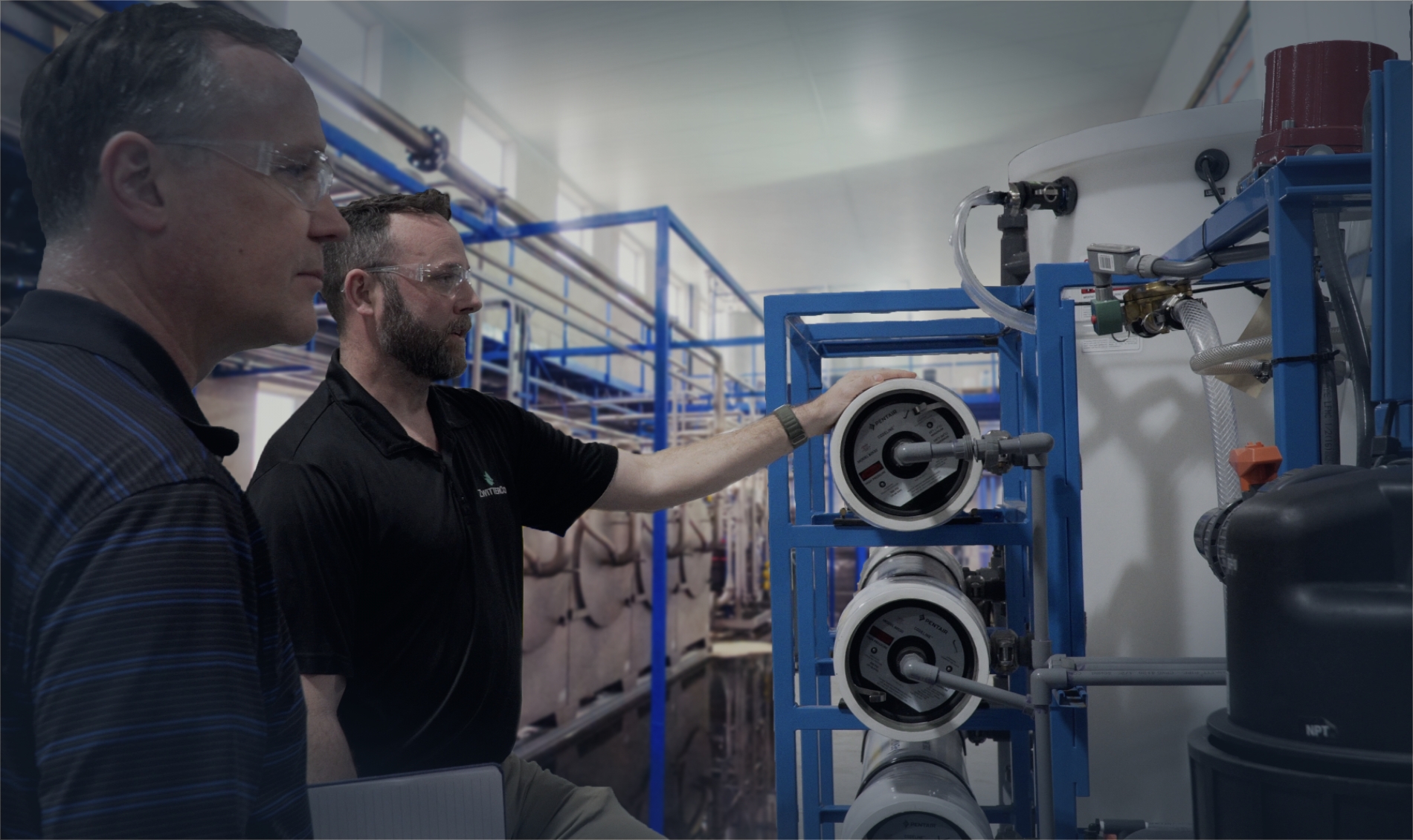
New Zwitterionic Reverse Osmosis Membrane - Not Your Typical RO
Reverse osmosis (RO) technology has been revolutionary in water treatment, assisting in the treatment of wastewater, the desalination of seawater, and much more. However, despite its effectiveness, traditional RO membranes are still prone to issues…
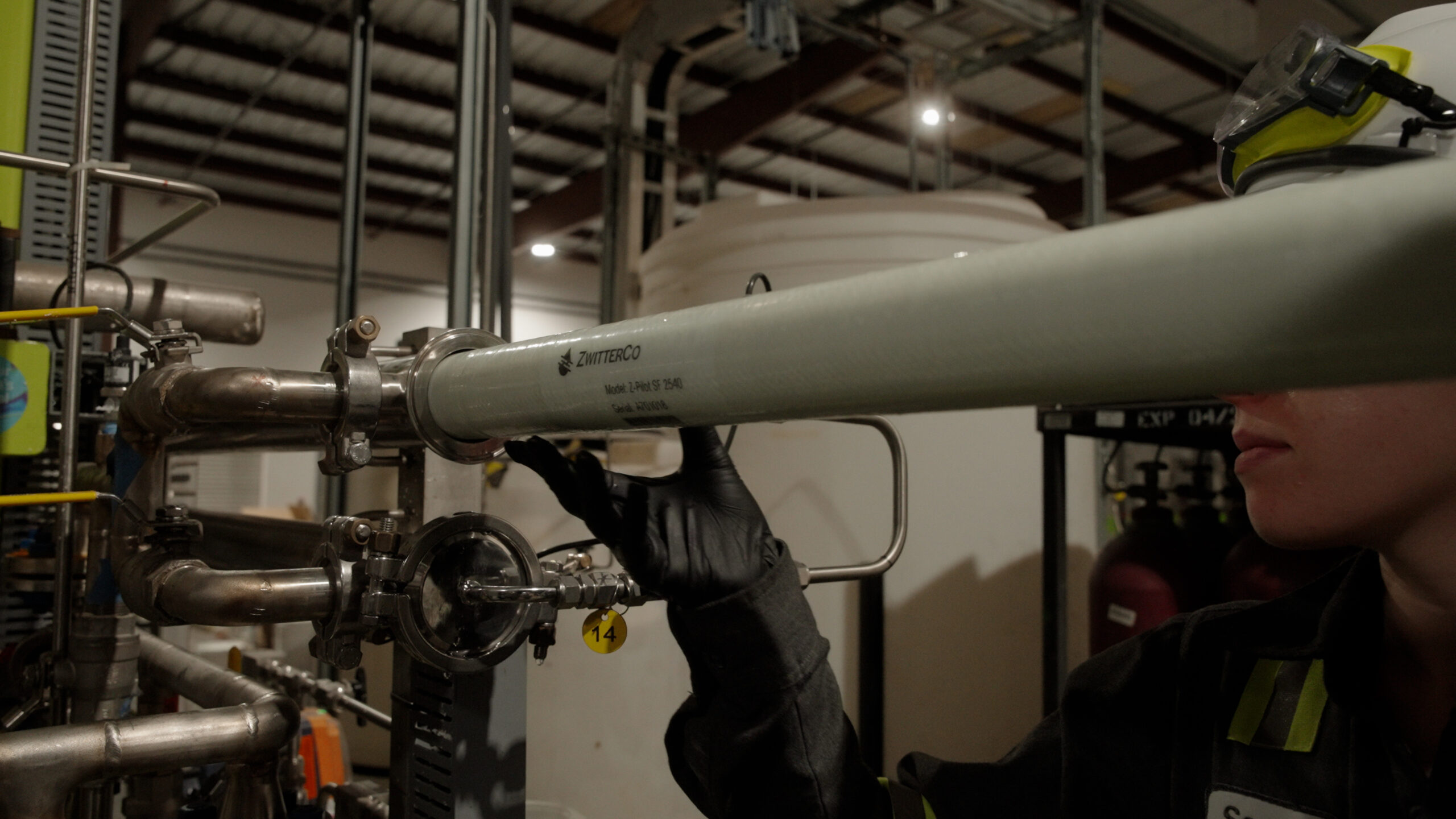
What is Superfiltration?
When considering which type of membrane to use, it can be easy to fall into the trap of thinking “inside the box” of established membrane categories. Salt rejection, molecular weight cut-offs, pore sizes, and flow rates are almost universally used…

Membrane Fouling - A Thing of the Past?
Membrane fouling has been a widespread challenge in filtration for decades, affecting the efficiency and lifespan of membrane systems used in water treatment, desalination, and other industrial processes. At its core, fouling involves the…
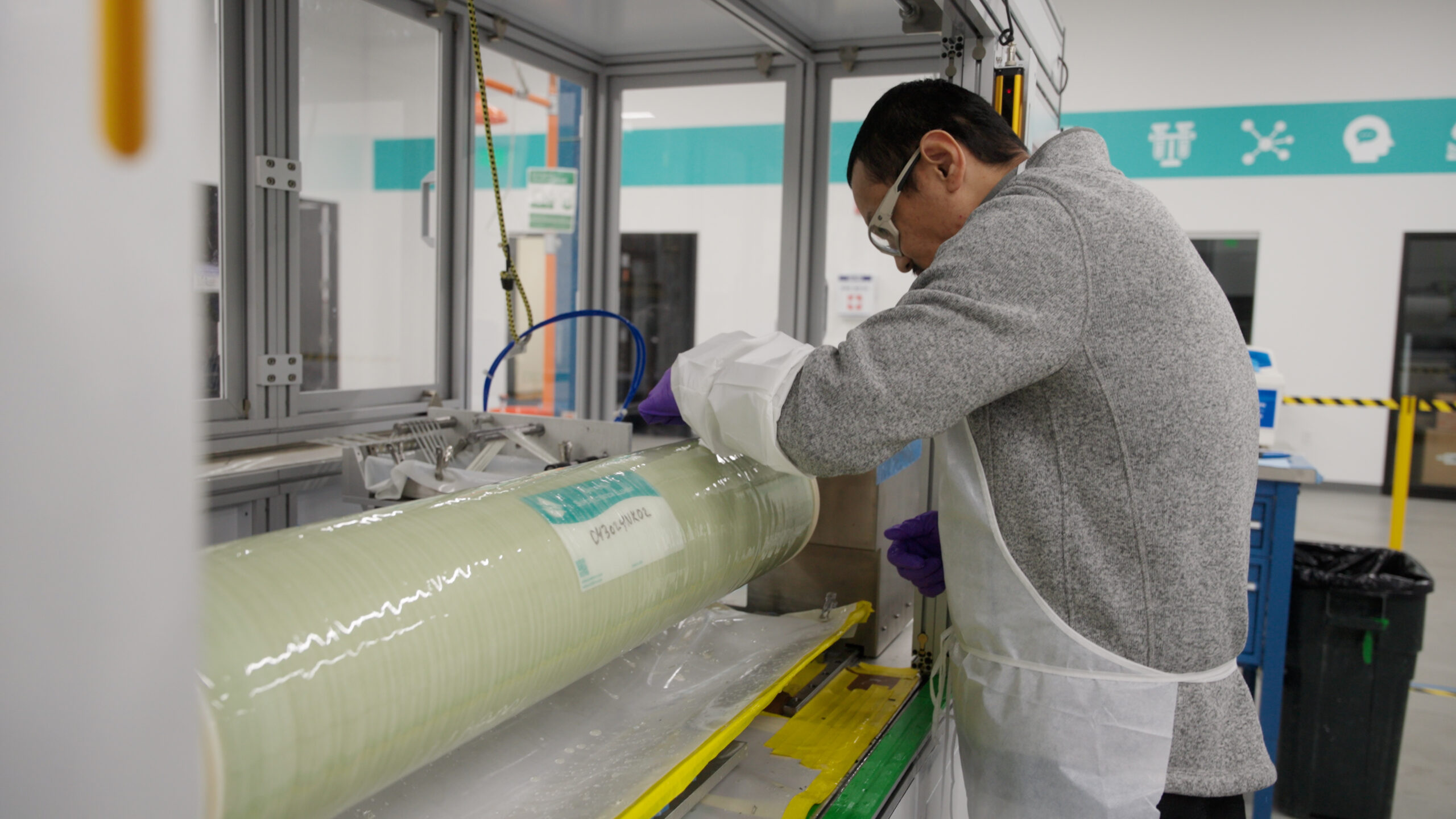
The Power of Zwitterions
For more than forty years, reverse osmosis (RO) has been a leading method for water purification, representing a significant advancement in sustainable water treatment. In a rapidly changing world, RO technology has struggled to keep up, seeing…

Clean Water Ahead: Tech Developed at Tufts to Clean the Dirtiest Industrial Water
Originally Posted on TuftsNow
Alum Alex Rappaport co-founds a company to use technology developed at Tufts to clean the dirtiest industrial water
